
Failure As A Tool For Improvement
The engineering method forms the process of creating something useful and efficient. It usually follows the steps of defining the problem (or need), collecting and analyzing information, brainstorming ideas, developing a solution and then testing that solution. If your design works, then you can celebrate a job well done. More often than not, however, a design rarely succeeds on the first try. This means that you must repeat the process, often multiple times, until a satisfactory design is produced. This is known as iteration.
While this might seem unrelated to martial arts, it actually makes a powerful lens for growth on the mats. With the right mindset, we can apply the engineering method, and specifically iteration, to martial arts and reap great benefits — not only practically for our technique but in the way we think about failure.
Iteration on the mats
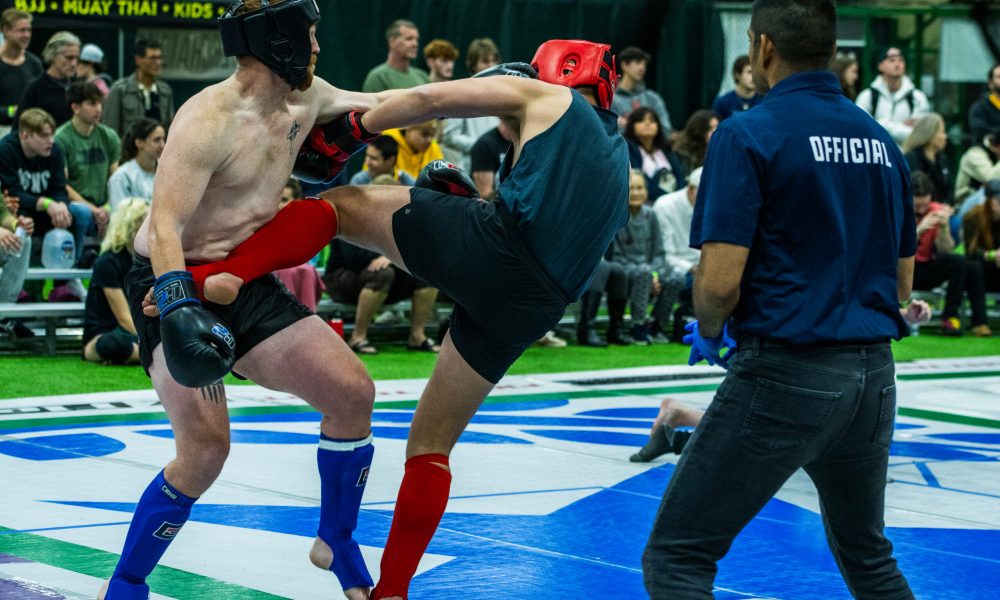
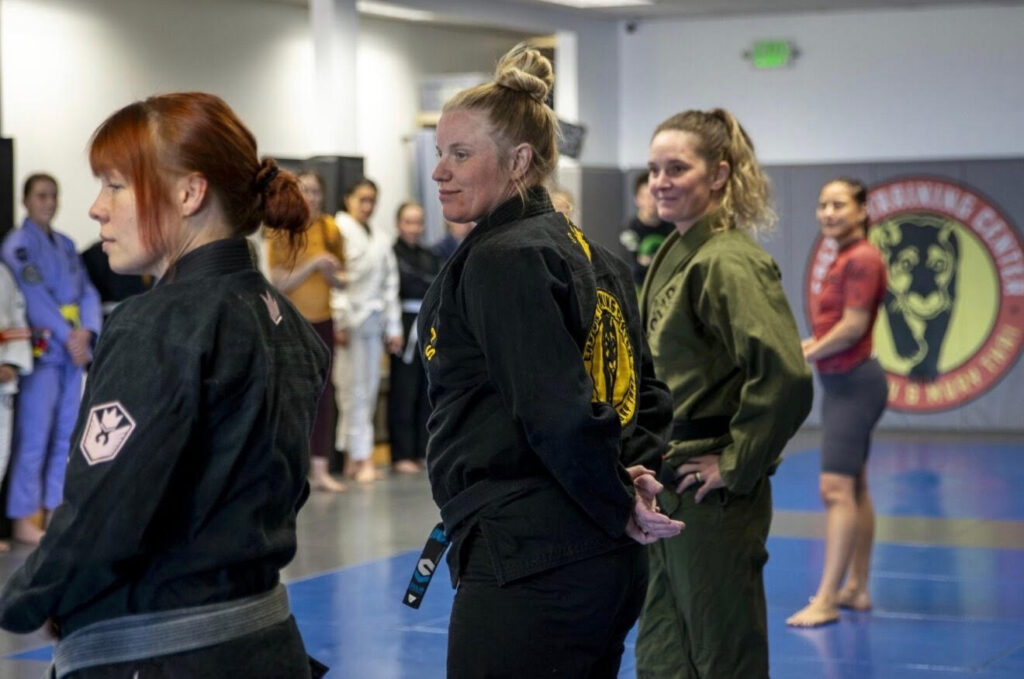
Each time you learn a new technique, whether it be in Jiu Jitsu or Muay Thai, you go through a version of the engineering method. Wanting to learn a new takedown or counterattack could represent the need or problem, or learning to defend against a certain technique, etc. The process of you learning that new take-down, defense or counter attack looks similar to the other steps of the method, although maybe not as obvious. You collect information on the new technique, and you brainstorm and develop a solution — the technique itself.
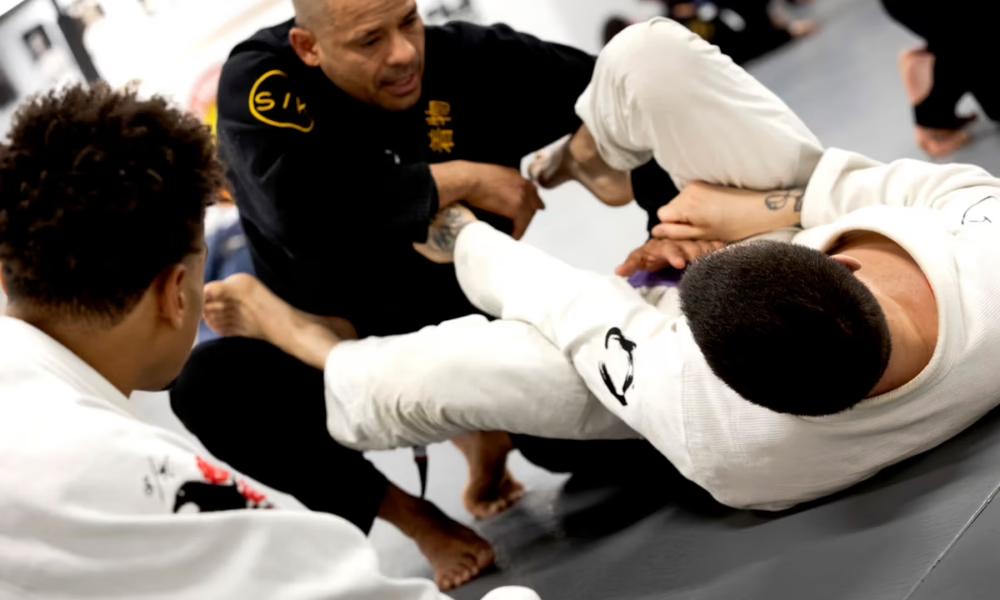
Failure may feel like the hardest part of this process. Especially when learning a new technique, which consists of multiple moves, you’re bound to fail at some point along the way and have to go back to fix something. You’re going to go through a number of iterations — a coach may come along and point out that you need to make a deeper grip on the gi or keep your hips straight as you launch a kick. Just remember, these small failures aren’t setbacks. They’re chances to improve. With each iteration, your technique becomes tighter and more effective.
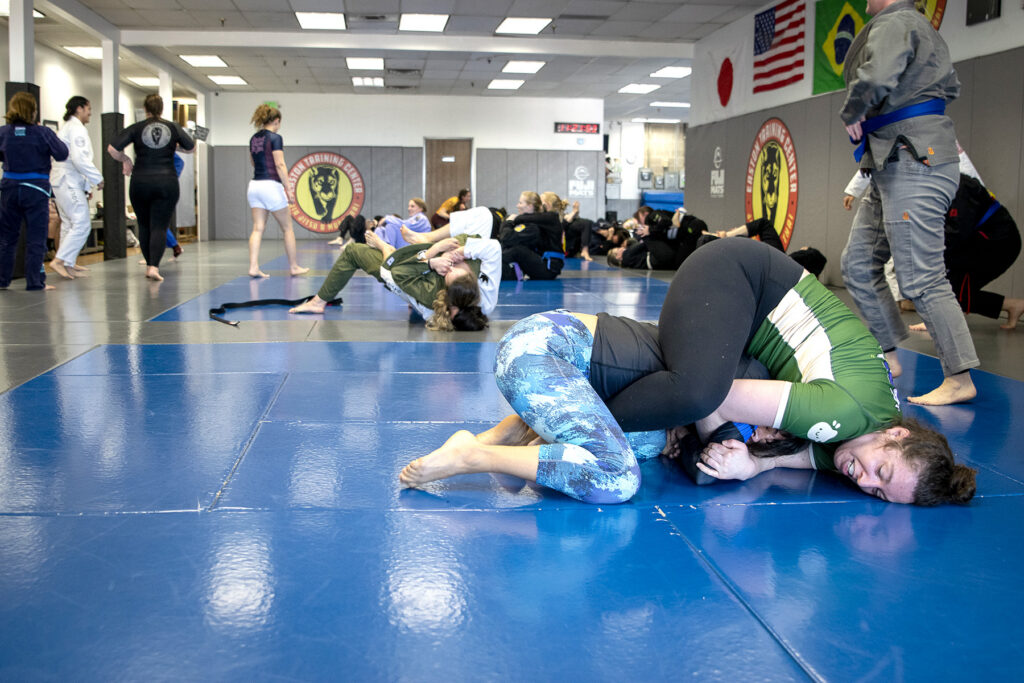
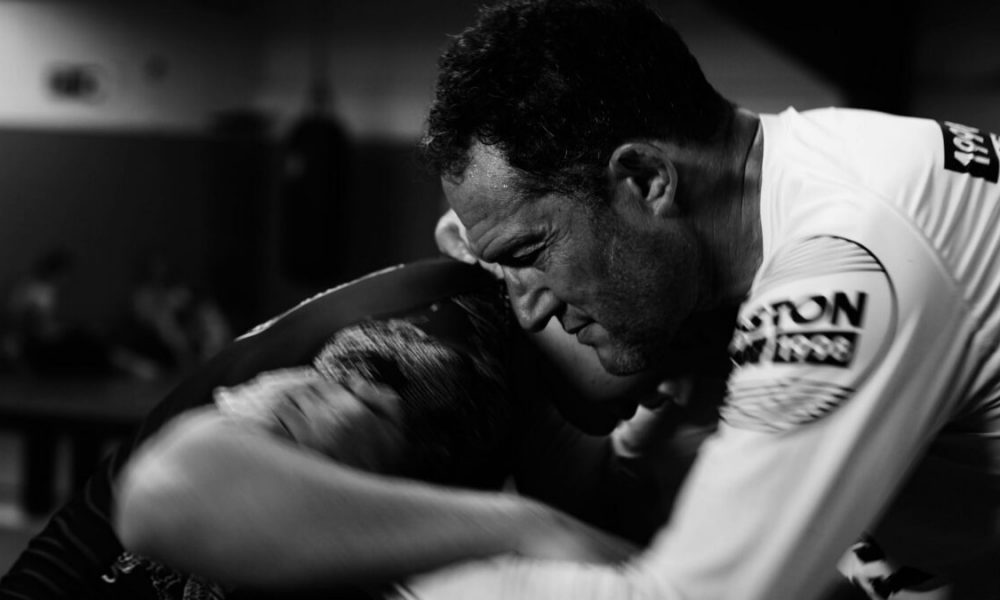
In fact, the worst thing that can happen is that you do something incorrectly without failing and correcting it. This is one reason why being a good partner and giving the right amount of resistance while training is very important. If you don’t fail, you’ll never be pushed to become better, and that might result in more problems for you later on. For example, you may lose in an actual competitive setting or get injured.
Think of it as similar to dunking a flat tire in a tub of water to find the hole by looking for escaping air. It might not be comfortable to lose, but finding the holes can only make you better. You’ll find out where you’re lacking one way or another, so it’s best to fail in many small ways while you’re still learning and improve that way.
This process of iteration can become very helpful in seeing all failure as an opportunity rather than something harmful to your growth. Even if you were to badly lose in a competition, you can still see that as just another chance to make a better iteration. At worst, you learned what not to do, which still brings you a step closer to what you should do in order to win.

Mindset benefits of failure
Learning to see failure as a benefit will not only improve your game but also the way you think across many areas. It builds your resilience, adaptability, humility and patience. When you keep moving despite failure, you will find yourself able to do that again and again. Like a physical muscle, your resilience towards failure grows each time you exercise it.
Adaptability is at the core of seeing each failure as a chance to run a better iteration. Humility comes along as a natural side effect of failure. It reminds you that you are flawed and capable of making mistakes, which can ground you.
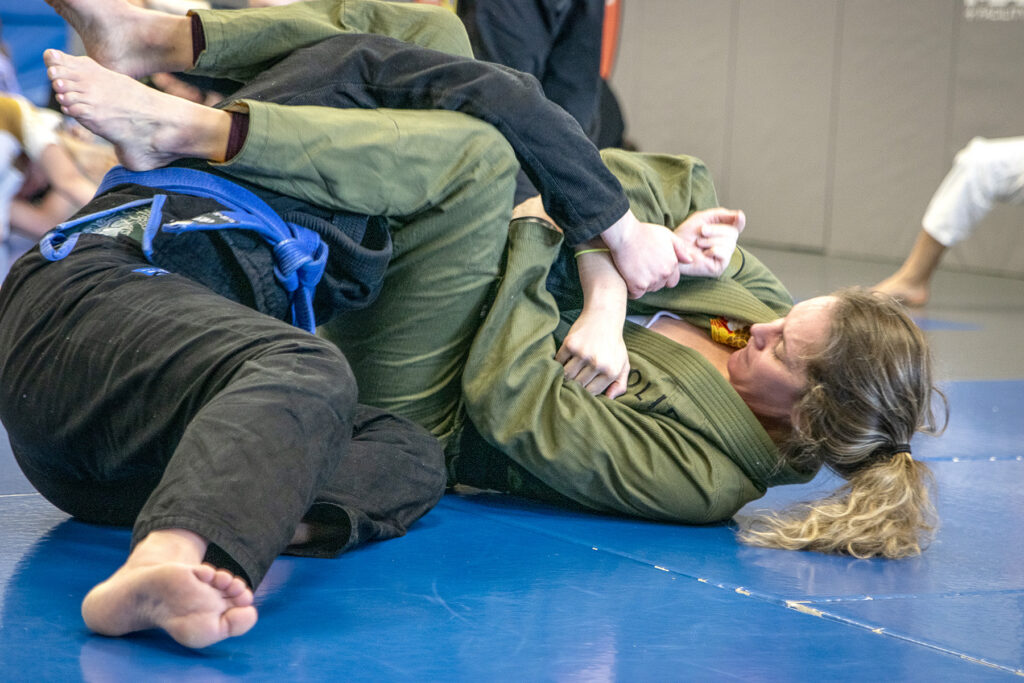
Patience is also something you learn through failure. At times, you need to be patient in your martial arts journey to keep growing, even if you keep failing. Patience goes along with resilience in how it can help you keep trying again and again through your failures.
All of these mindset benefits will help you across every aspect of your life, not just martial arts. The beautiful thing about martial arts is that what you learn on the mat isn’t only useful on the mat.
Sometimes, it can be hard to keep going in martial arts. Failure can feel crushing, especially if it keeps happening. But failure is not an obstacle. Each time you fail, it is a chance for you to do better. It can show you what you’re doing wrong and help you improve. Seeing it the right way can give you major benefits for both your game and your mindset.