Diversity and Community
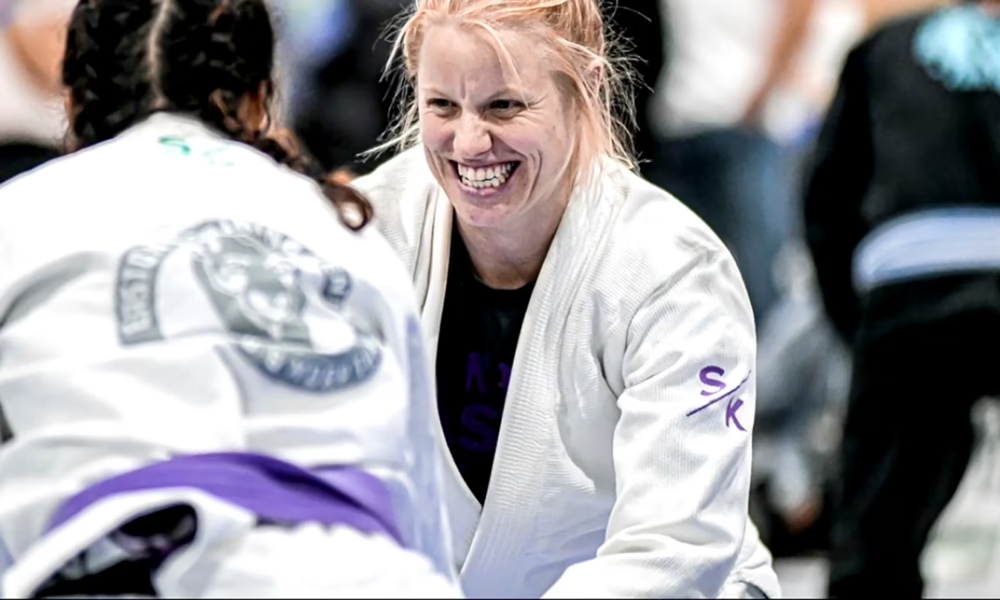
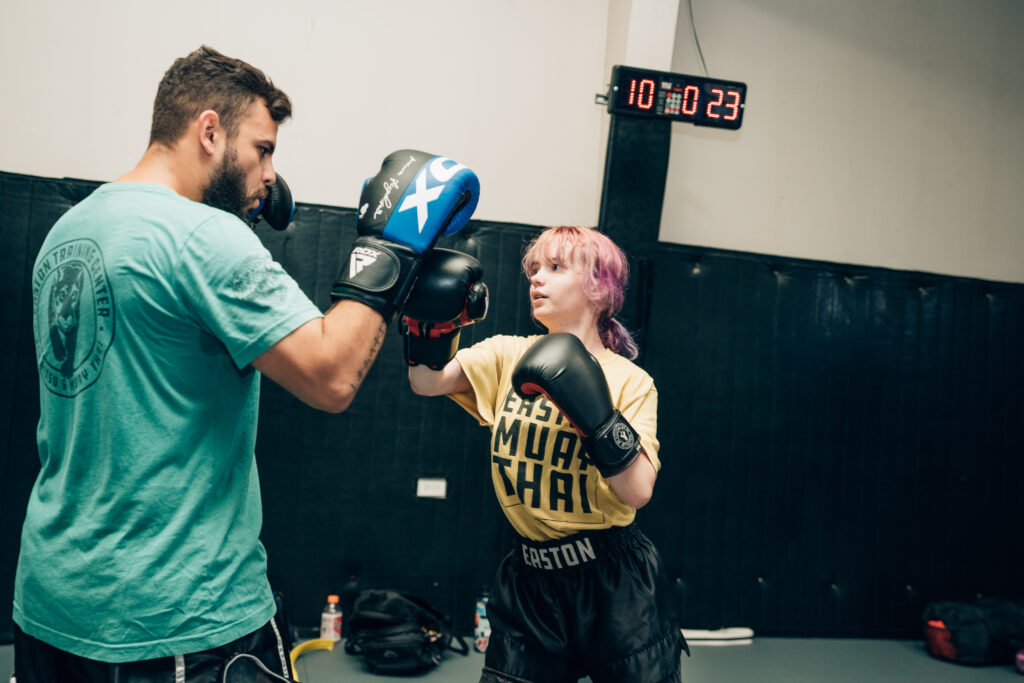
When it comes to growing as a martial artist, community becomes the best thing we have to leverage. Contributing to building a strong community not only helps those we welcome in, but also makes us better in our own craft. Creating a space where anyone of any background feels welcome creates better martial artists and better people.
Supporting new students
Every one of us had a first day at the academy, where we felt unsure or nervous. Walking into a new environment, like a martial arts academy, oftentimes feels very intimidating. Most of us chose to stay because someone took the time to welcome us in and offer help. Any one of us, in turn, can help empower someone else to choose to come back.
Striking up conversation and getting to know new students is one of the most effective ways to welcome people in. This can be built into the culture seamlessly by consistently encouraging more experienced students to partner with and invest in newer students. Mentorship and knowledge sharing must be celebrated.
Being a friendly and reliable face encourages people to come back and find their own place within the community. Inviting nervous, new students to come back and partner up in the future goes a long way to help people feel safe and comfortable. When students feel invested in, they have a higher likelihood of becoming active participants in the community themselves.
This encouragement must happen at all levels. As we grow and learn more, this support becomes more and more invaluable. At no point do we learn or master everything. Feeling comfortable asking questions about technique or asking for direct feedback requires a foundation of trust that must constantly be maintained.
[Finding your “Why” in Martial Arts: What Makes You Start vs What Makes You Stay]

Problem solving with diversity
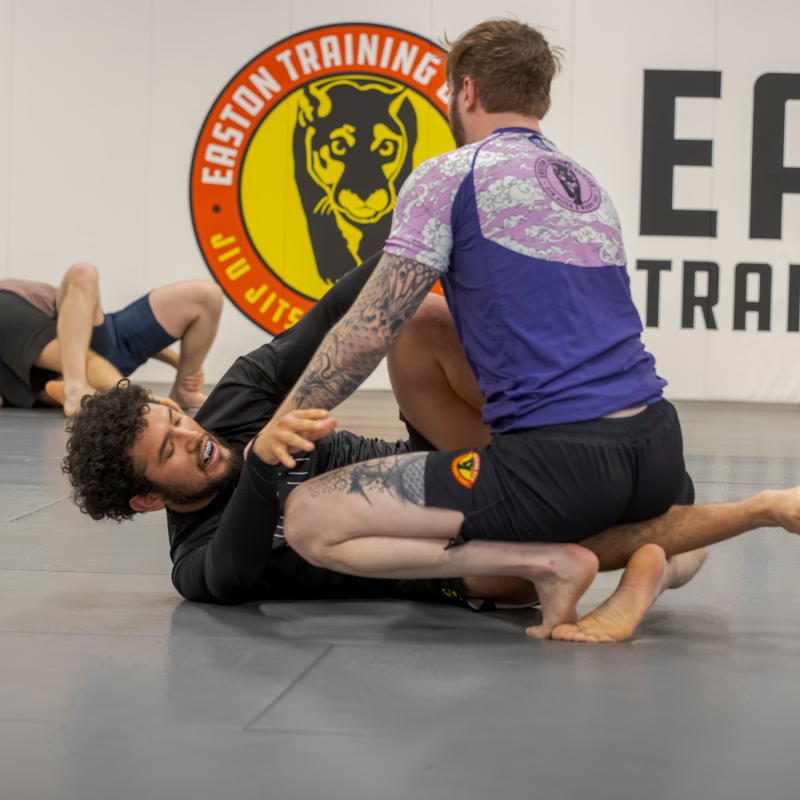
One key attribute of a strong community comes down to diversity. One of the most effective ways to improve our skillset includes having a variety of rounds with many different people. By training with people of different backgrounds and body types, we learn how to solve problems more effectively.
Life experience affects how we think about problems and challenges. How we approach a specific technique largely depends on how we think about and perceive the world.
Someone with a scientific background might approach a problem very systematically. When throwing a round kick, for example, a science-minded person will focus on rotational mechanics and precise placement. Someone with an artistic background, when throwing the same kick, might focus on the fluidity of the movement and how it flows into the strike immediately following.
Both approaches, while different, are extremely effective. By training with people of diverse mindsets, we learn to read different nuances in queues, allowing us to anticipate and defend more effectively.
Body structure also affects how we choose to use different techniques. No two people have the exact same body. Height, weight and proportions all factor into the development of our own style. Taller individuals will likely choose long range weapons, whereas shorter folks might have more success up close and in the pocket.
Training with strength and size differences also highlights techniques which use an individual’s momentum against them. Working with styles very different from our own allows us to understand our weaknesses and vulnerabilities. It also shows us where our skills excel and where we thrive. In order to prevent limiting our growth, we must try to get rounds in with a vast variety of body types and styles.
[The Power of Mobility: How it Stands Apart from Exercise]
We all benefit
Everyone involved benefits from a strong, diverse martial arts community. As individuals, we learn from our peers and mentors. Others also learn from us, as we bring our unique mindset and style to the round. Over time, we improve and become mentors for new students. We welcome new people into the space, sharing our own passion for our craft. These new students feel empowered to learn and grow, eventually continuing the cycle of strengthening the community.
Reputation becomes incredibly important in this space. Every student contributes to the culture and community every day. People looking to try a martial art for the first time will most likely go somewhere with a positive reputation. If their experience matches the reputation, the likelihood that they’ll come back — and even bring a friend — becomes much higher.
Relationships with other academies and professionals in the martial arts space get affected by reputation. Opportunities, like seminars and scrimmage events, become equally impacted as a reflection of our community. Professionals want to work with communities that will appreciate and respect their time, just like we all respect each other on the mats everyday.
Reputation also helps fighters at the academy secure matches, especially when their community shows up for them. By creating a space where everyone feels welcome and can thrive, we see more opportunity for learning and growth at every level.