Why You Shouldn’t Measure Progress by Submissions in Jiu Jitsu
As I continue to grow in my Jiu Jitsu journey, I’ve started to see progress very differently than I did in the beginning. Early on, submissions felt like everything because they looked like success and represented winning. If I tapped someone, I assumed I was improving, and that belief shaped how I trained, how I rolled, and how I evaluated myself after every class.
Over time, though, that mindset started to create frustration. I found myself chasing submissions instead of building positions, rushing opportunities that were not fully there yet. Even when I reached a dominant position, I often lost it because I moved too quickly toward the finish instead of securing control first.
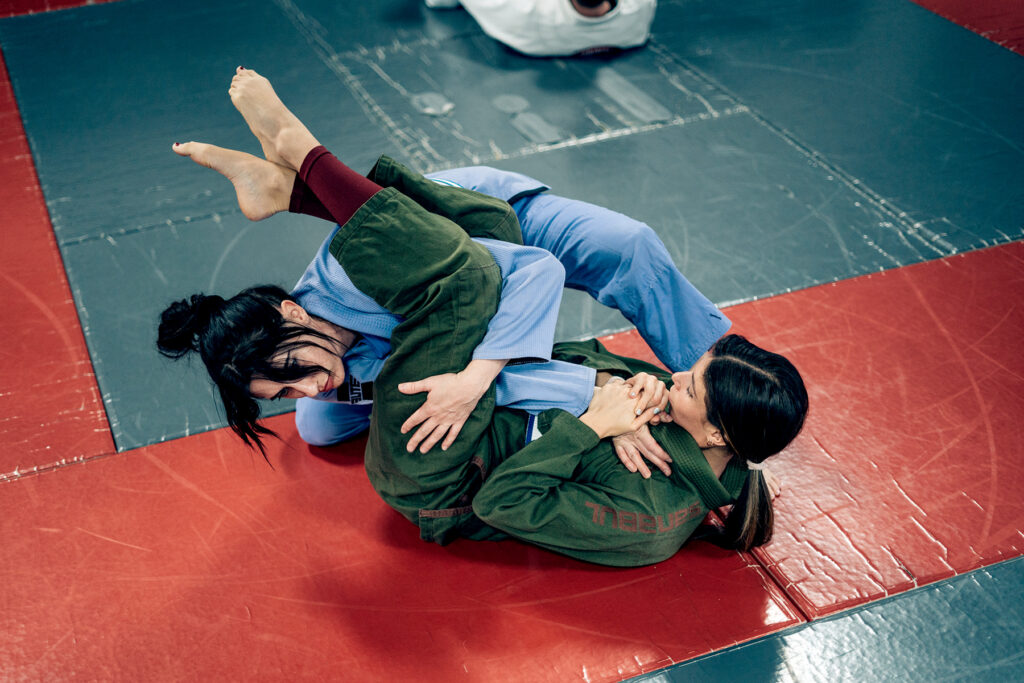
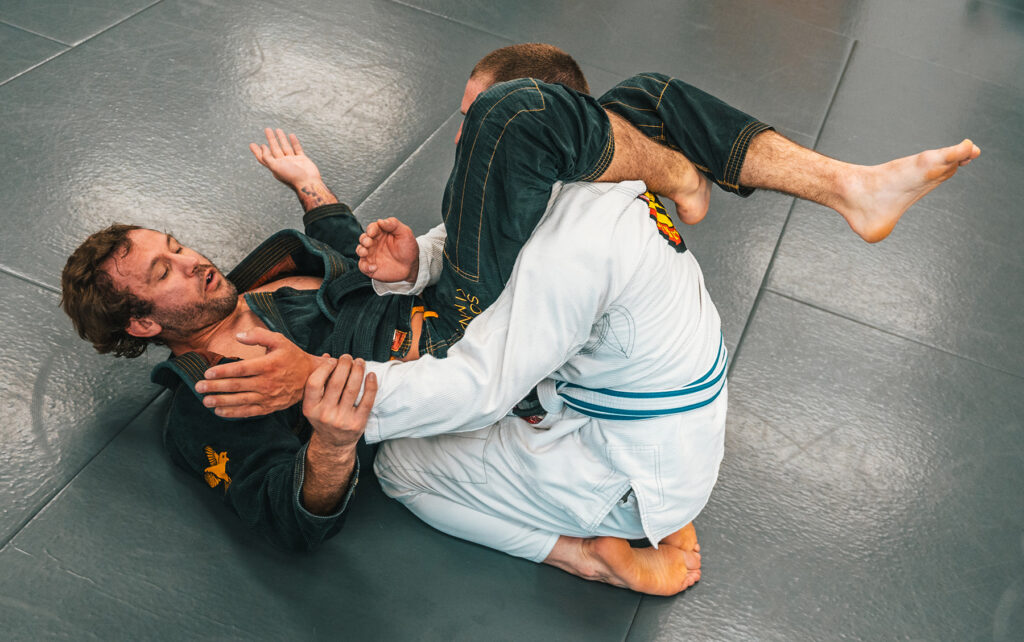
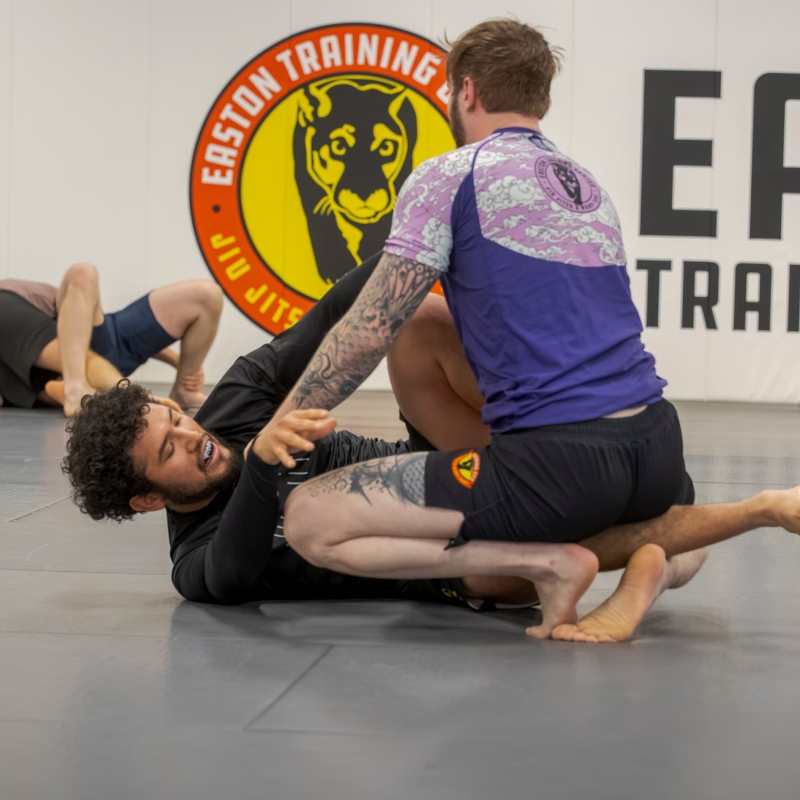
I remember on multiple occasions getting to mount and immediately going for a choke, only to get bucked off and lose the position entirely. I would go for an armbar without controlling the head and end up on my back, sometimes recovering guard if I reacted quickly, but other times landing in bottom side control. In a matter of seconds, I would go from complete control on top to one of the most vulnerable positions on the bottom, and that pattern forced me to pause and rethink what I was doing.
That’s when I started to understand that control matters more than the submission itself. Instead of rushing, I work on maintaining the position, applying steady pressure, and what some call “cooking” my opponent. I want to create a situation where the submission becomes inevitable rather than forced, and that shift alone has changed the way I approach every roll.
When you prioritize control, you become more strategic and far more patient, and you stop wasting energy on low-percentage attempts. You begin to understand timing instead of trying to impose it, which leads to a much more efficient and composed game.
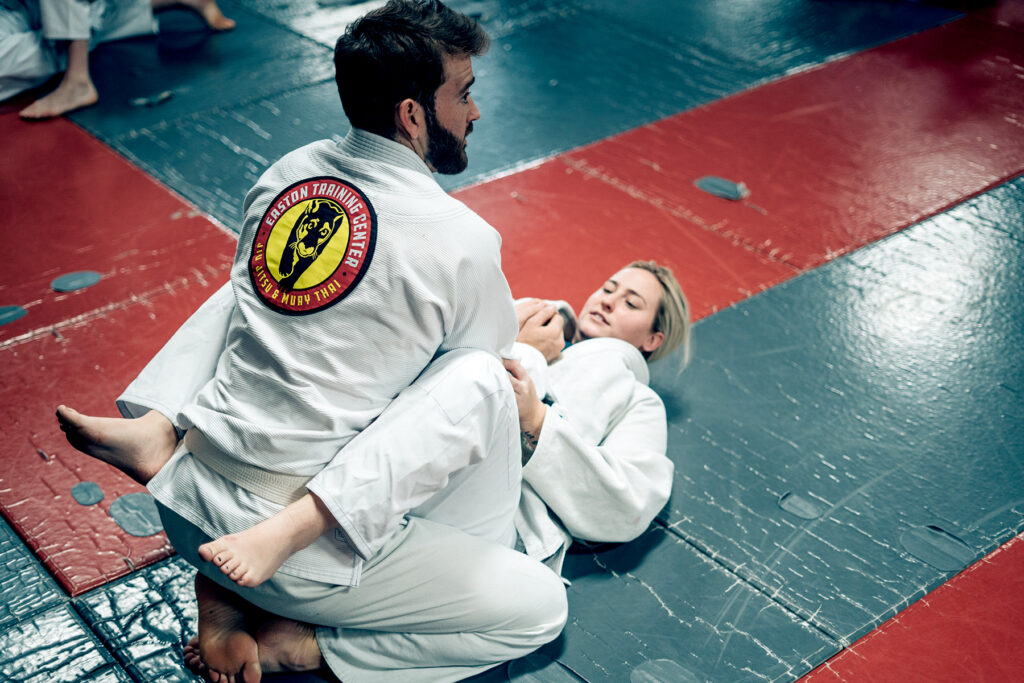
The other layer of this, which took me a while to see, has an even more subtle but corrosive impact. When you measure your progress by submissions, you also start measuring failure the same way. If someone submits you, it can feel like a huge loss or even something personal, as if it proves they’re better than you.
But that is not always true, and in many cases, not true at all.
So many factors lead to a submission, including small mistakes, delayed reactions, or simply experimenting with something new in a roll. None of that automatically means the other person has more skill overall, even if it feels that way in the moment. This alone takes a lot of unnecessary pressure off.
If you think about a regular five-minute round, rushing for a finish does not even make sense. If you get a submission quickly, you reset and start over anyway, so you might as well use that time to build endurance, refine your positioning, and get comfortable maintaining dominant spots instead of constantly restarting.
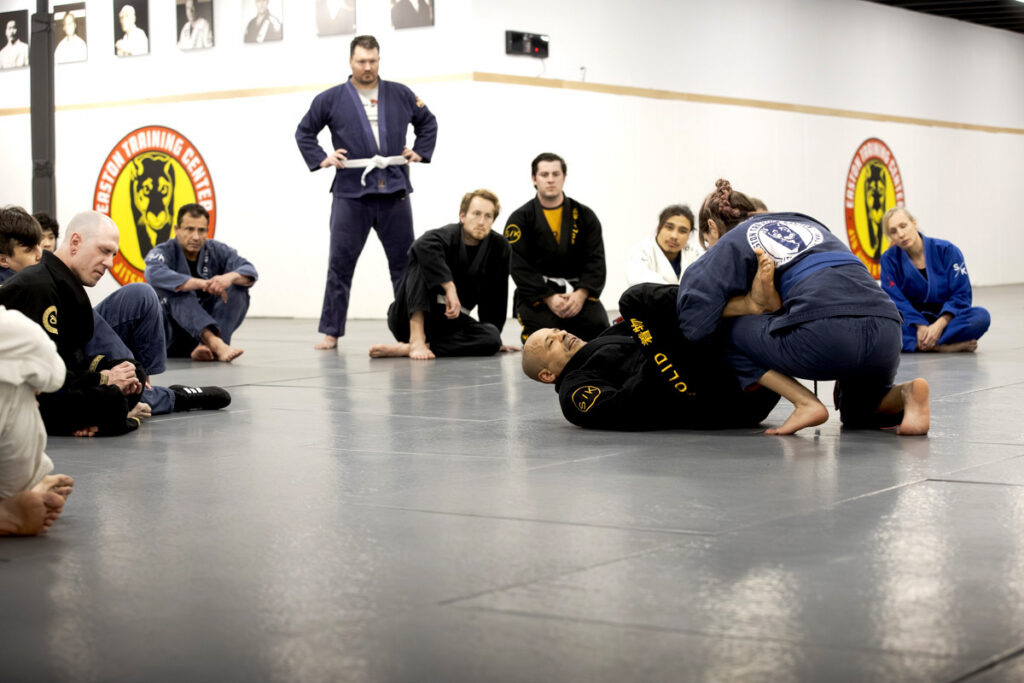
A mirror for the rest of life
The bigger lesson here goes far beyond the mat: chasing submissions mirrors the desire for quick results in other areas of life. For example, when you want to get promoted quickly or expect constant validation, and when that does not happen, frustration builds.
Jiu Jitsu does not reward that mindset. It demands consistency, it rewards patience and it builds a strong foundation over time rather than overnight.
Progress in Jiu Jitsu looks like better control, cleaner transitions, improved awareness, and the ability to stay calm in every position. The submissions will come, but they come as a result of everything else you’ve built.
When you stop measuring your progress by taps and start measuring it by control, everything shifts. You train differently, you think differently and you show up with more intention. In the process, you not only become a better grappler but develop a mindset that serves you far beyond the mat.