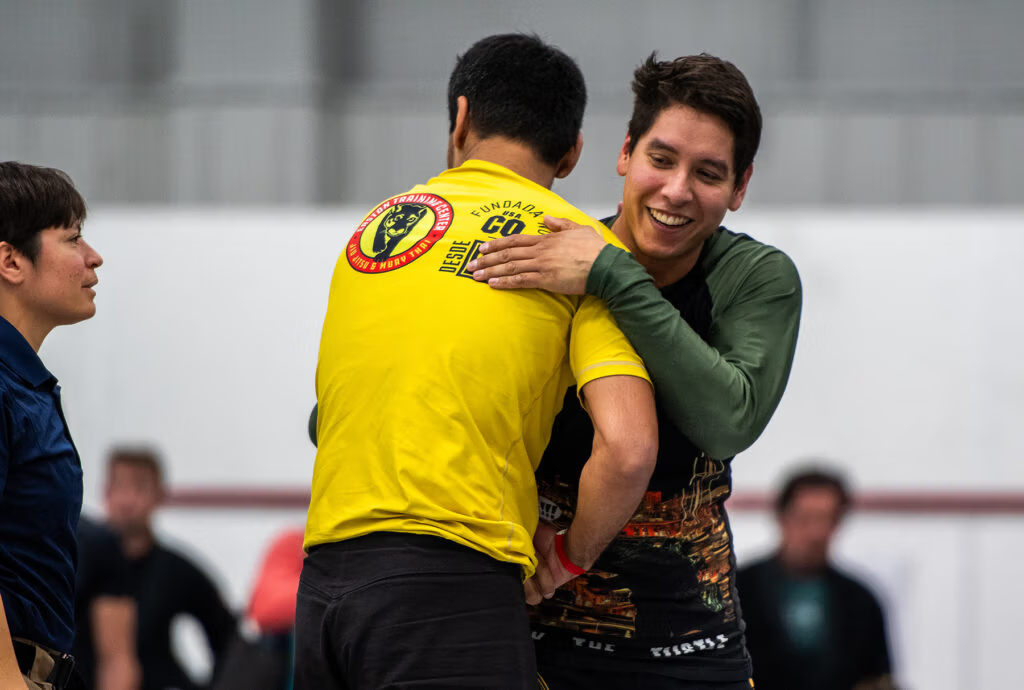
4 Functional Strength Movements for Longevity (and Being a Beast on the Mat)
Ditch the long lifting sessions, and get the most out of a 24-minute lift routine with four functional strength movements. These movements will not only replace endless machines and extra time during your strength session, but they will also improve your body mechanics for longevity purposes and increase functional strength on the mat.
Designed to isolate muscle groups, machines can rob your body of the full benefit of one particular movement. For example, I can replace a lat pulldown, bicep curl, cable row and ab crunches with a single pull-up (and weighted pull-ups if you’re so inclined).
Skeletal muscle mass is important for all basic daily functions and doing the activities we love, such as BJJ. One of my good gym friends in her 60s still lifts heavy regularly. When headed up the mountain for a group standup paddleboard event, she even helped her friend’s husband carry his paddleboard up the trail because he found it too awkward and heavy to carry on his own.
In youth, muscle seems omnipresent, making it easy for us to assume it’ll just be here as it always has. The truth, however, shows that muscle looks similar to a retirement account. The earlier and greater you build it in youth, the larger your account and the longer those funds will last you into the future. As you mature, it becomes increasingly more difficult to build a large muscle “account.”
Some experts claim muscle atrophy can begin as early as age 30. For my sanity, I refuse to believe this, but we should also never take skeletal muscle for granted. Don’t be my friend’s husband in your 60s. I plan to carry my own paddleboard well into my 80s and 90s.
Beyond strength, muscle mass helps regulate hormones as we mature and boosts all our happy chemicals, such as serotonin, helping us navigate challenges we encounter throughout the decades. It helps with cardiovascular health and mental health. It’s the magic longevity pill we all seek, and it only requires a few dedicated lift sessions per week to get these benefits.
My goal in training Jiu Jitsu prioritizes technique to strength, but let’s be real; in a round with someone of similar skill, strength absolutely becomes an advantage.
[Why We Mix Up Strength Training With Conditioning Exercises]
Optimizing movements for full-body strength
For a full-body strength program, we divide movement into push and pull motions. Then separate by upper and lower body.
The upper body gets pushes and pulls, and the lower body gets pushes and hinges. We can do all of these, while simultaneously improving the ever-important grip strength, with just four strength movements. Here are some examples:
| Upper Body | Lower Body | ||
| Push | Pull | Push | Pull/Hinge |
| Bench Military Press Landmine Press | Pull-ups Ring Rows Bent Rows | Barbell Squat Goblet Squat Pistol | Barbell Deadlift Romanian Deadlift Single Leg Deadlift |
Upper body strength
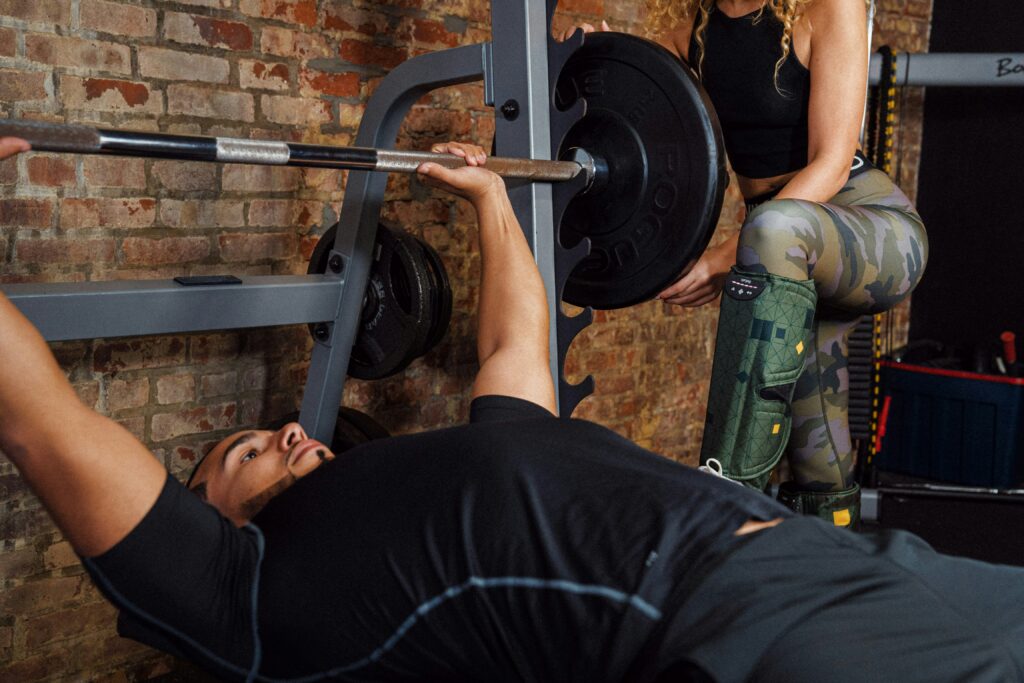
Pull-ups (and variations thereof, such as ring row), bench press and military press are great for upper body strength, and they address all muscle groups. As an added bonus, doing these movements with kettlebells can improve unilateral strength as well as hone the stabilizer muscles needed particularly for balance and base during rounds on the mat.
Pull-ups too easy? Add weight with a kettlebell belted around your waist or a weighted vest. I find the vest restrictive in my shoulder movements, so I prefer the kettlebell around my waist.
Pull-ups too difficult? A variety of spectacular programs exist to help you build bodyweight pull-ups, and angled ring rows make a great place to start — maintain a strong plank with your back toward the ground while holding the rings outstretched in your arms. Pull your body up until the side of your chest reaches the rings.
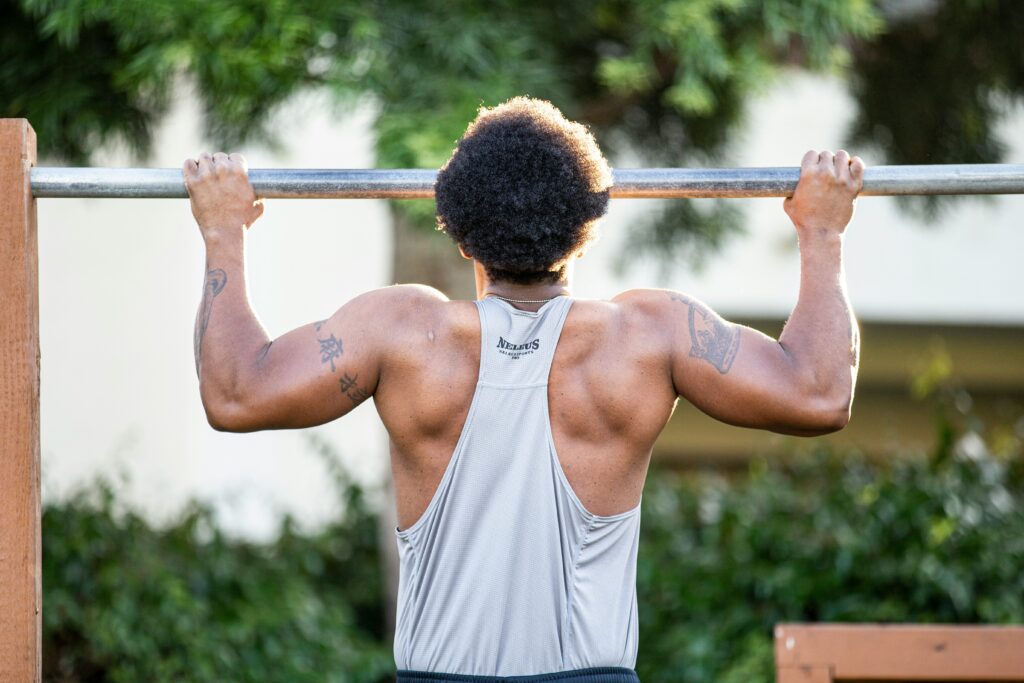
In either case, sets of 1-5 reps per set will suffice. The movement should feel heavy, with you needing a few minutes’ rest before your next set.
I did my first bodyweight pull-up on my 31st birthday (what a great gift), and last week I pulled a 53-pound weighted pull-up — and I’m only working on pull-ups a few times a week.
The elusive pull-up is pivotal for functional movements in real life, as you inadvertently build your grip strength, vital for avoiding all-cause mortality. Being able to grab a handle to prevent falls becomes increasingly important as we mature, and any amount of BJJ training proves the importance of grip strength on the mats, for both Gi and no Gi.
[Should I Incorporate Strength Training Into My Grappling Routine?]
Lower body strength
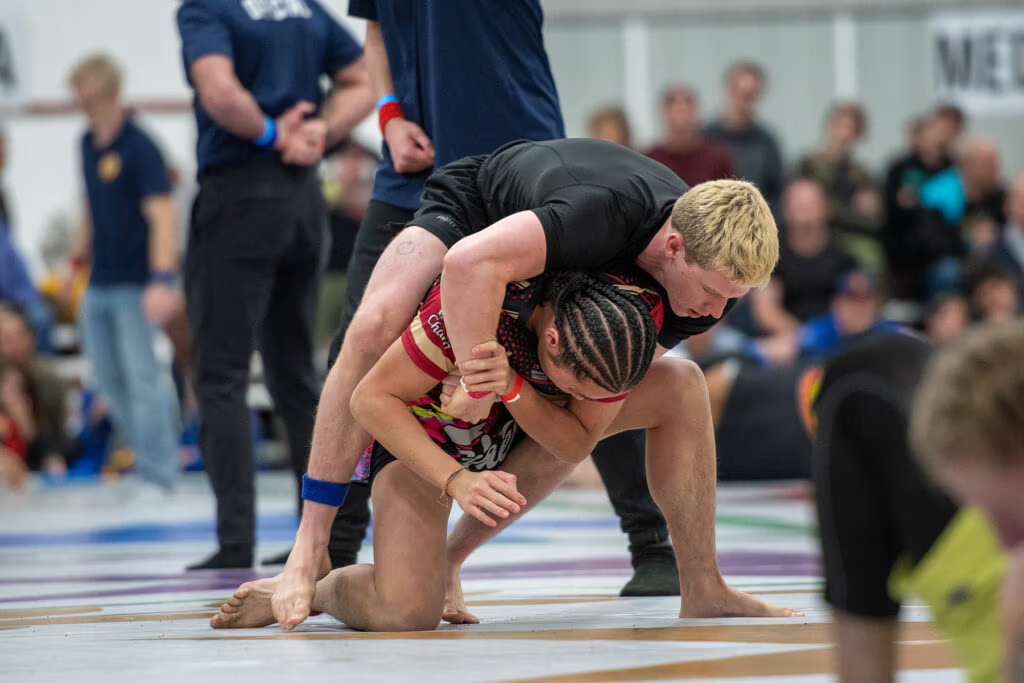
Don’t skip leg day! As sexy as upper-body strength can be, lower-body strength is just as important (and sexy) in terms of longevity and stability. It’s harder to escape a back take if their legs are squishing your innards.
Density in skeletal muscle mass on the legs (and quads, specifically) can help support the back and reduce back pain. Lower-body muscles make up the largest muscles in our body, helping regulate metabolism, blood sugar and VO2 max (how the body uses oxygen).
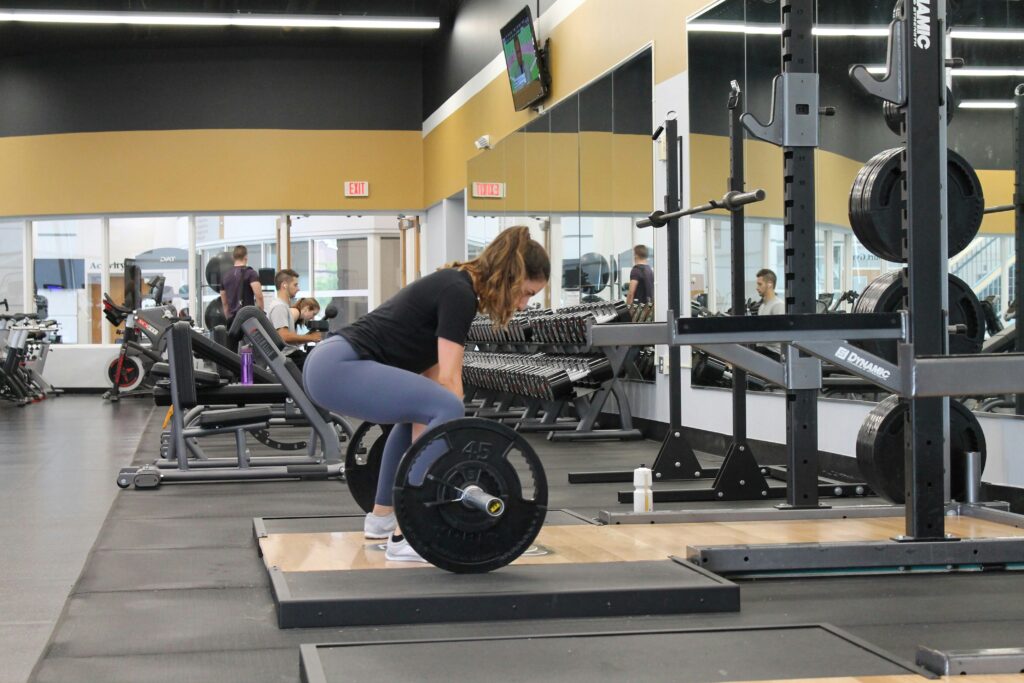
The lower-body push should involve a heavy squat, and the most beneficial lower-body pull looks like a hinge, such as a deadlift. When combined, these movements address both anterior (front) and posterior (rear) muscles in your lower body, creating a healthy balance.
“Deadlift” can get a bad reputation in many households, as people often attribute this movement to back pain. However, properly executed strength movements should not lead to pain. Make sure no part of your form overcompensates for a weak or underactive area, leading to imbalance.
Finding your weight
I recommend starting light for any movement new to your repertoire. Light means you lift 5 reps and then rest. If you can do 20 reps of a weight, that’s not strength training, you are building Claudia Schiffer muscles, not longevity strength.
After a few weeks at that weight, increase slowly (it’s a marathon, not a sprint). Traditional strength programs will tell you to increase weight in any given movement every 4 weeks or so, and listening to your body and following this guideline can help you increase weight for long-term strength goals.
Remember, any pain that comes in response to specific movements can indicate weaknesses. That doesn’t mean avoid the movement! You may just need to adjust the movement, or perhaps improve your form, which sometimes means building strength in that area with other types of lifts.
Start small and build up. You can always enlist the help of a professional if you need guidance. We often blame strength movements for injuries that more likely result from weaknesses built up over years of sitting at a computer or in a car.
[CrossFit Coach and BJJ Purple Belt Jason Ackerman: Aligning With Growth]
Setting up the program
The 24-minute program I follow involves a superset of four movements in eight-minute rounds. That means I do my first set of pull-ups, pistols, press and deadlift one after the other, then rest for five-ish minutes, and each muscle group is rested and ready for the next set at the eight-minute mark. I then do two more sets and rest like this.
Because I’m not lifting 20 reps of each weight or doing five machines to emulate the benefits of one movement, I get plenty of time to maintain great form and not rush the movements. If you need more time to rest, increase your rounds to 10 or 12 minutes. You’re still working full body and done within 30ish minutes.
Each movement targets a different muscle group with little overlap, so they don’t interfere with each other when performed in succession. I do my movements in order of most challenging for me (I like to get the weighted pull-ups done first and then do the “easy” stuff), but you can form your program however works best for you.
The body needs rest between strength sessions, and because this is a full-body program, taking a day or two off between lift sessions is important for muscle recovery.
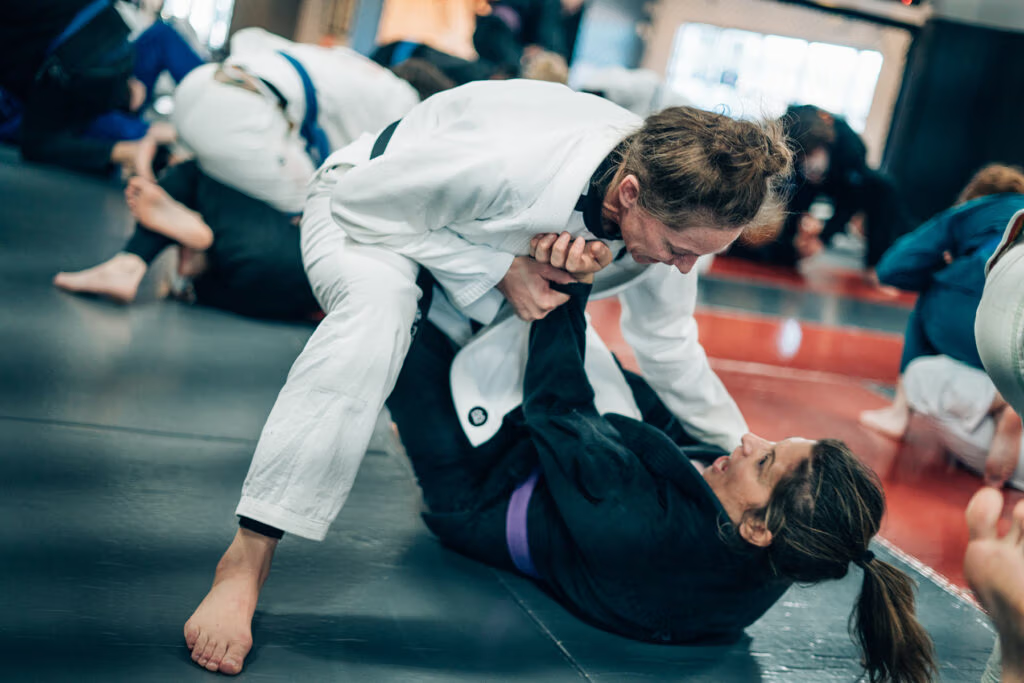
Training BJJ or doing cardio in between sessions is great, but I don’t recommend lifting heavy multiple days in a row. I also try to schedule my lift sessions 24+ hours or so after hard rounds on the mat for the sole purpose of not feeling like I’ve been hit by a bus when I go to lift.
[Training Hard? 6 Ways to Recover]
Getting into routine
Many experts with a higher pay grade than me can speak to consistency and how to find your routine. I like Atomic Habits by James Clear if you need a full read on how to add a routine to your world.
I have found starting slowly works best for me and my family and clients. Tell yourself you will lift for 10 minutes once a week to start, and once that feels manageable in your schedule and you feel so good after each session, you can add time per session or frequency per week.
The goal is that you feel so great after lifting, you begin to crave it. You start to see strength improve, sometimes physique, and you’re hooked. There may even come a time when you have to coax yourself into taking a rest day. It’s a good place to be.
Magic pill
Few activities in life have a direct impact on our physical health and longevity, but skeletal muscle mass plays a huge role in living well. I tend to scoff at gym machines, but really, any strength program you enjoy and continue is the best one out there.