The Importance of Joint Hydration for Healthy Movement
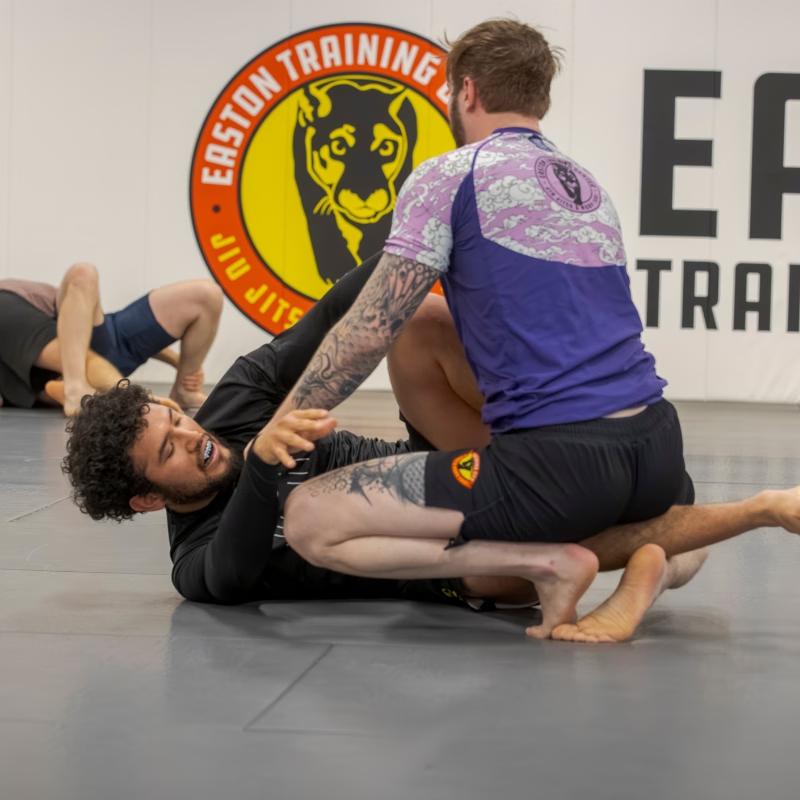
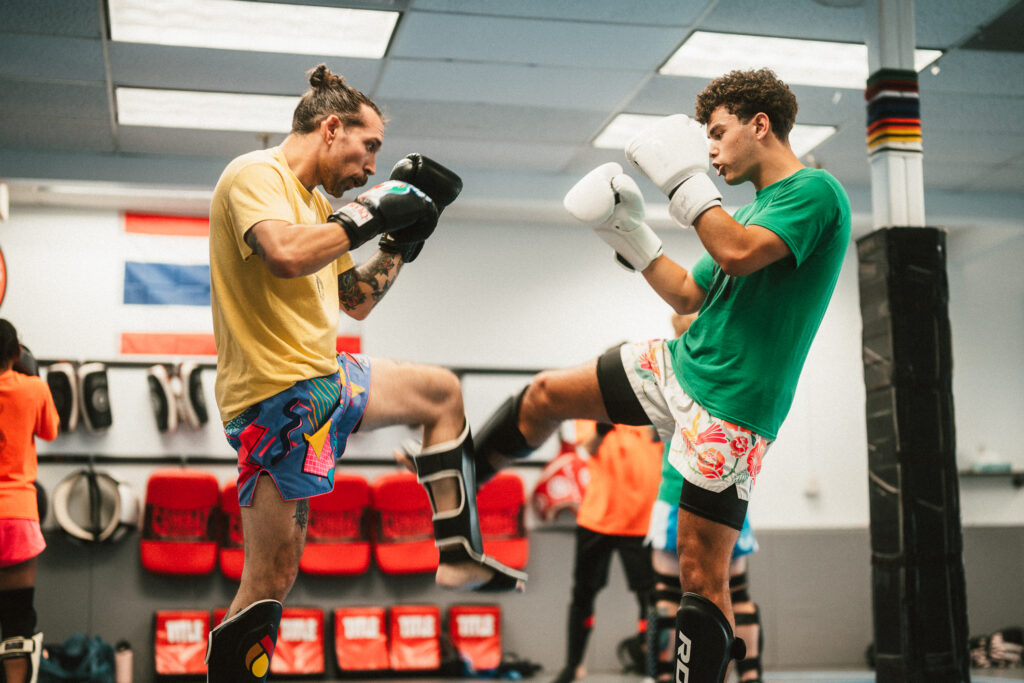
Rolling and sparring are high-contact flows with considerable impact on joints across the body. Many strikes in Muay Thai and most submissions in BJJ rely on joint compression and stretching. Joints under these conditions need proper hydration to function well.
Bone and fascia form the structure of a joint. Cartilage caps and protects the bone. Tendons and ligaments pull the joint together. Synovial fluid keeps the whole system lubricated and healthy.
Hydration goes beyond performance. It builds the tissue itself. Cartilage, tendons and fascia are literally built from water. Human bodies hold about 55 to 60 percent water. Cartilage runs 65 to 80 percent water, and fascia, the connective tissue wrapping muscles and organs, holds about 70 percent water.
Hydration drives fluid production at joints. A hydrated body produces the right amount of synovial fluid. Synovial fluid acts as an oil moving through the joint, hydrating cartilage for shock absorption, helping bones glide smoothly and transporting nutrients.
A study on martial arts athletes found that cutting just two percent body mass through dehydration reduced squat jump height, power output and knee extension and flexion strength during testing. That’s a small drop in body weight causing a measurable hit to performance and joint strength.
[5 Healthy Habits to Help Increase Your Training Performance This Year]
How do you know if you’re dehydrated?
Urine color offers one of the clearest signals. Dark yellow or amber urine means the body doesn’t have enough fluid for current demand.
Clear, colorless urine can signal overhydration – this is a good time to check electrolyte intake alongside water. Pale yellow lands right in the target zone.
One of the best defenses against dehydration is prevention. Focus on four things: ounces, timing, electrolytes and recovery. Timing determines how well the body absorbs fluid, electrolytes keep water where the body needs it at a cellular level, and recovery shows the results of how well you hydrated.
Figuring out a daily minimum takes simple math. Divide your body weight in pounds by two. That number is roughly how many ounces of water you need each day.
A 150-pound person needs about 75 ounces of water daily as a baseline. Training and heat need to be accounted for, so treat it as a floor, not a ceiling.
Monitor urine color, sweat rate and total fluid intake throughout the day. These three checks catch dehydration problems before they affect training.
How you drink matters as much as how much
Rehydrate steadily over time instead of chugging a large volume at once. Gulping water fast causes it to pass through the body before absorption, so slow and steady wins here.
Water without electrolytes only solves half the problem. Hydrating without proper sodium and potassium can trigger nausea, headache, confusion, muscle weakness, cramps and in severe cases, seizures.
Athletes typically need a sodium-to-potassium ratio closer to 2:1 or 3:1, compared to the 1:2 ratio recommended for the general population. Athletes need more sodium relative to potassium than a sedentary person does due to losing these nutrients in sweat.
A simple way to personalize this: weigh yourself before and after a hard training session. Each pound lost equals roughly 16 ounces of sweat, carrying with it 200 to 700 milligrams of sodium and 150 to 300 milligrams of potassium.
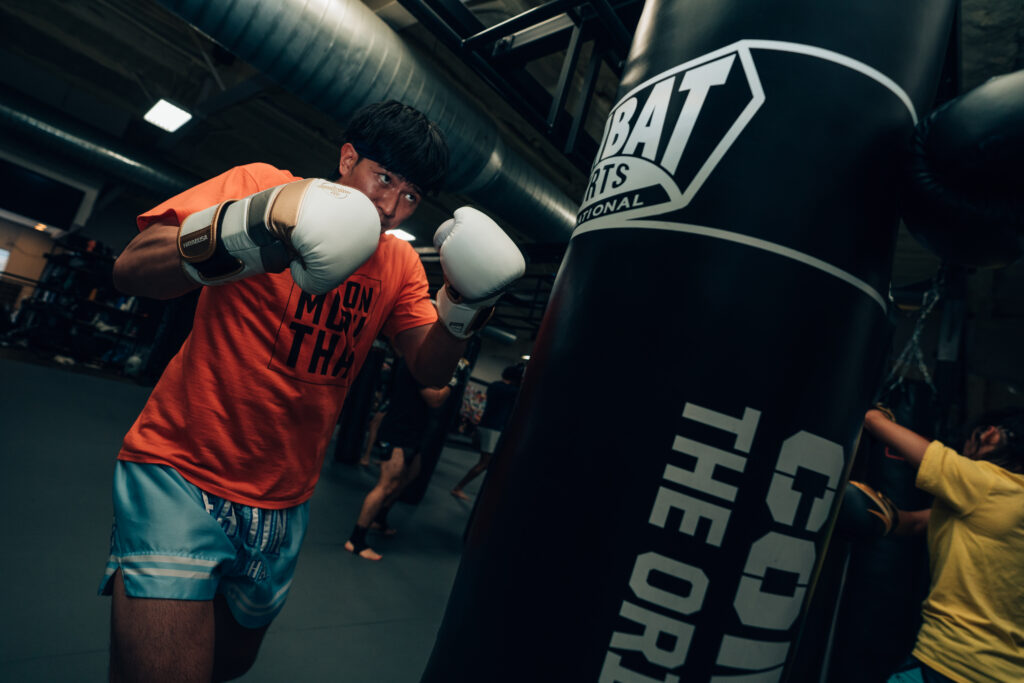
Start hydrating well before stepping on the mats
Drink 16 to 20 ounces of fluid with 200 to 300 milligrams of sodium two to three hours before training, then another 8 ounces about 15 to 20 minutes before starting.
During a hard 60 to 90 minute session, drink 6 to 8 ounces with 100 to 200 milligrams of sodium every 15 to 20 minutes. This keeps fluid and electrolyte levels steady instead of letting them crash.
After training, replace every pound lost with 16 to 24 ounces of water. Aim to finish rehydrating within two hours, and no later than six hours post-training.
Joint recovery starts 24 to 48 hours before training even begins, not after the final round ends. Hydrate before, during and after training for the best results.
Drink water frequently throughout the day rather than in a few large sessions
This gives the body time to actually absorb and use what you drink, instead of flushing it out unused.
Pair fluid intake with sodium to help the body retain water rather than losing it right back through urine. This combination supports both muscle recovery and joint lubrication.
Well-hydrated joints absorb impact better and wear down more slowly over time. This makes joint hydration one of the simplest, most controllable habits for a martial artist.
Practicing martial arts is a high-effort, high-reward pursuit. The effort means showing up to training, drilling technique and, honestly, being ok with getting humbled along the way. The reward is a healthy mind and body built to last.