8 Ways to Prevent Injury in Muay Thai and Jiu Jitsu
I wish physically demanding activities came without risk. Unfortunately, we are not machines. When something breaks, we cannot replace a part and keep going. We are human. We make mistakes.
When we push our bodies to the limit, those mistakes can turn into injuries. Muay Thai and Jiu Jitsu demand intensity. They require us to strike, grapple, pivot, explode and endure. That intensity builds skill, resilience and confidence. It can also expose weaknesses in our mechanics, mindset and preparation. We cannot eliminate injuries, but we can prevent serious ones. The difference comes down to awareness, communication, discipline and intention.
[The Body Is An Amazing Tool: Also The Vehicle We Inhabit]
Choose the right training partner
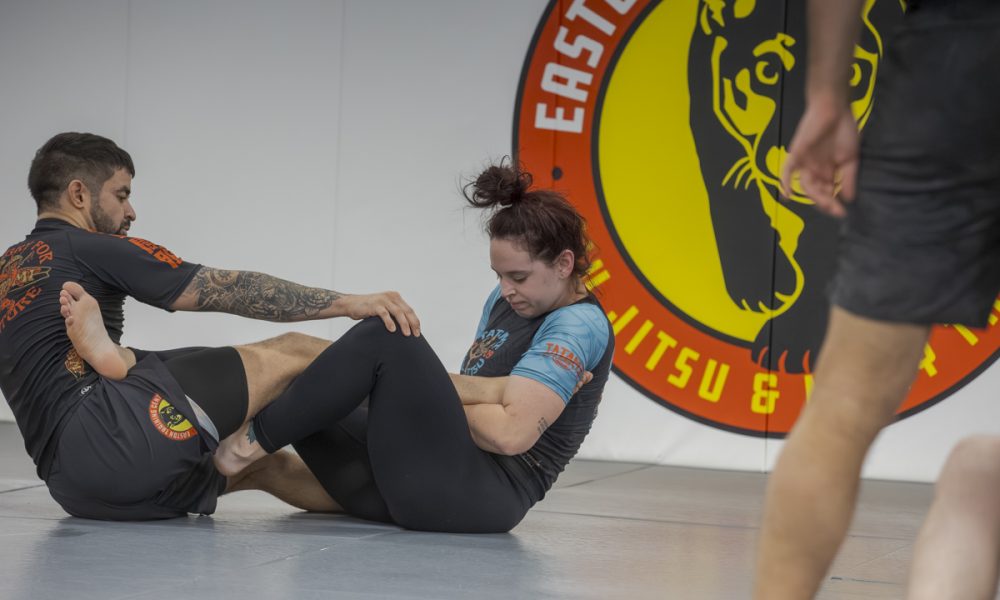
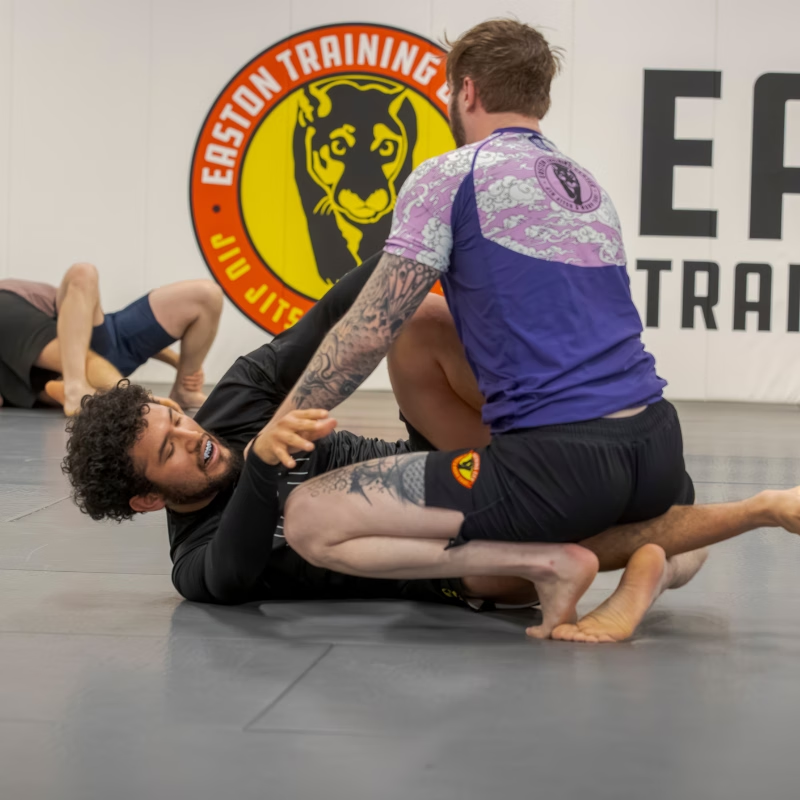
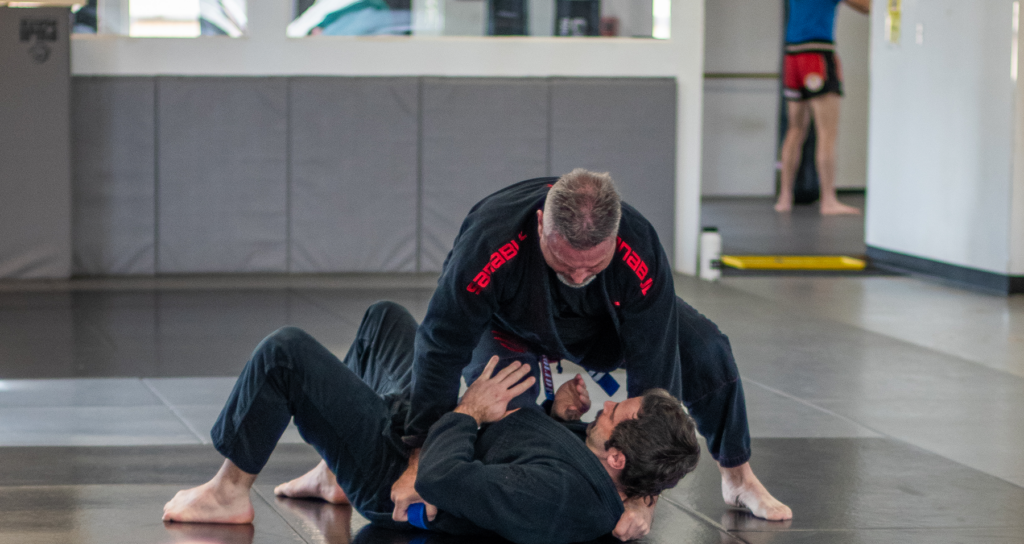
Every academy includes students of different sizes, skill levels and personalities. Training with a variety of partners helps you grow. Still, partner selection matters, and it can really help to work with someone close to your size and weight.
A large weight gap increases risk. A heavier partner who moves without control can unintentionally create dangerous pressure. A smaller partner who moves unpredictably can create scrambling situations that lead to awkward landings or joint strain.
If a larger or more experienced student trains with someone smaller, they must adjust their pace and power. Control is a skill. Advanced students rarely injure others because they understand how to scale intensity. Intensity without control means recklessness. Control without ego is mastery. Choose to stay intentional about who you train with and how you train with them.
Respect the art of pad holding
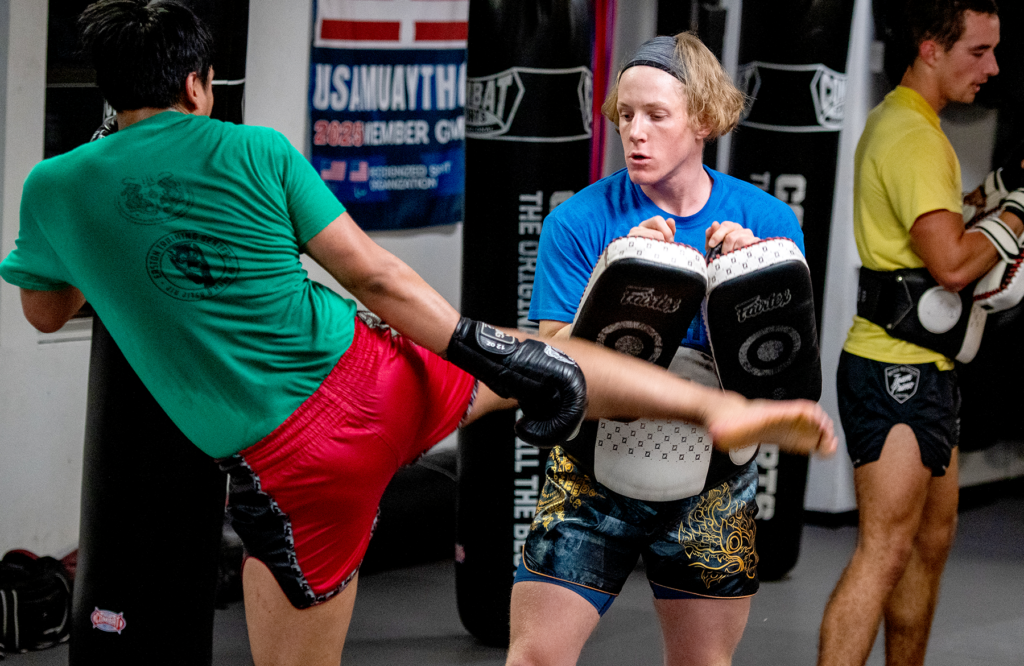
Far from a passive activity, pad holding makes its own art form. A striker can injure a pad holder with an accidental elbow, knee or kick. A pad holder can injure a striker by presenting poor angles, calling for excessive movement or failing to stay balanced.
Good pad work requires communication and rhythm. Adjust combinations to your partner’s experience. Stay aware of spacing. If something feels off, reset and correct it. Training partners are not obstacles; they are collaborators. When both people approach pad work with awareness, sessions become productive instead of chaotic. The goal is sharp technique, not reckless power.
[Recovery Techniques for Athletes: Rest, Sleep and Injury Rehab]
Communicate and build trust
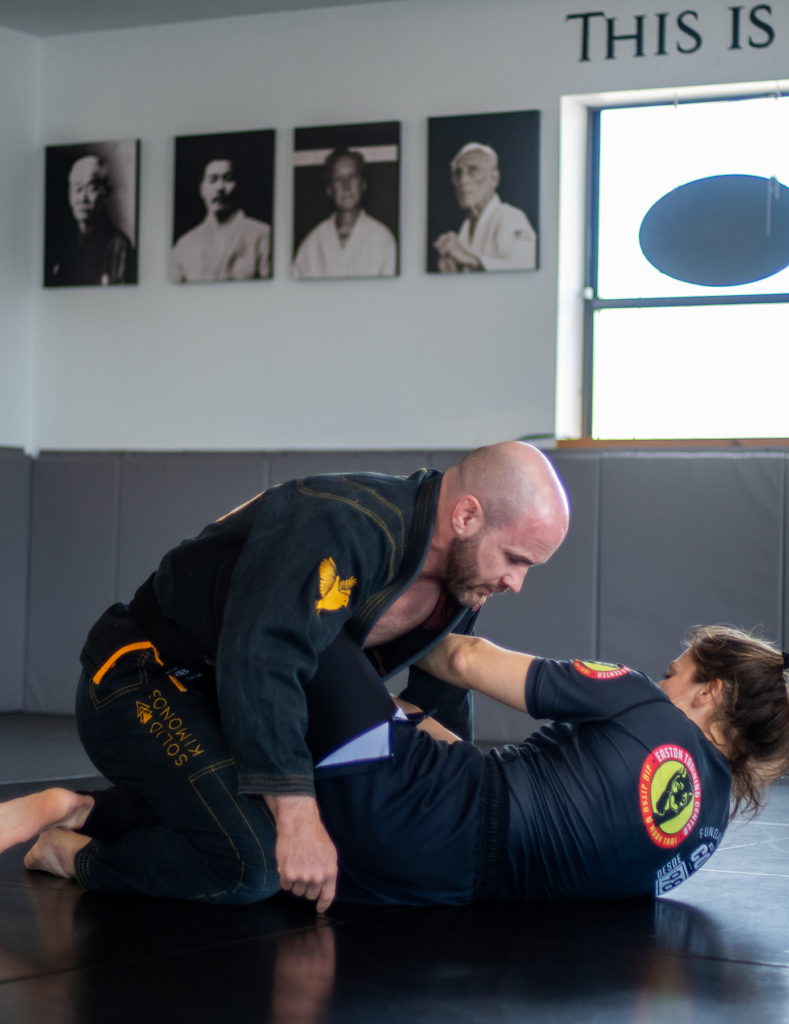
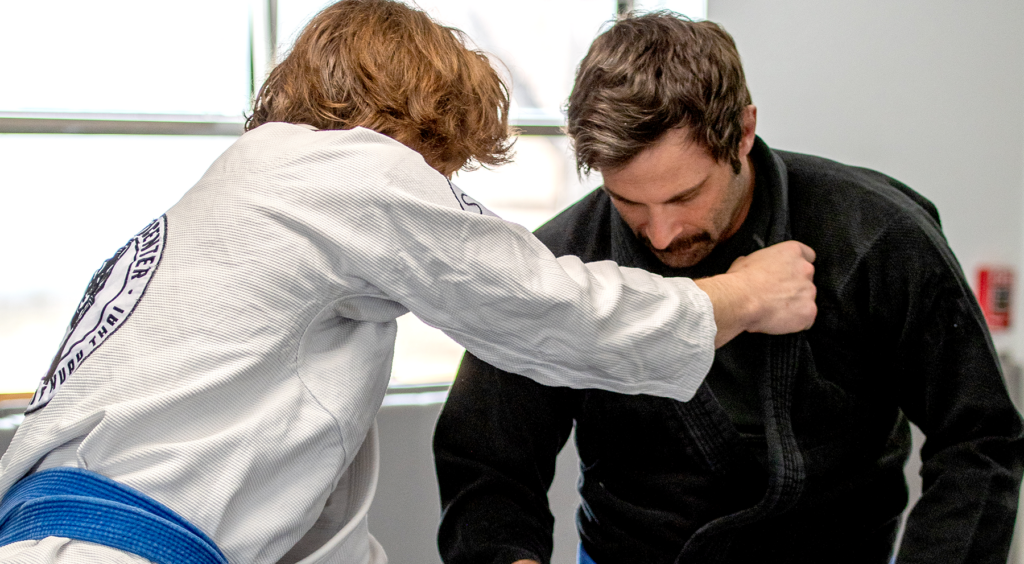
Communication prevents injuries and builds trust. If your partner says something hurts, adjust immediately. If you’re recovering from an injury, speak up before the round begins. Let your partner know what to avoid. Clear communication prevents misunderstandings that lead to unnecessary strain.
Within the Easton community, this responsibility extends across locations. Whether you train at your home academy or visit another, the expectation remains the same. Protect your partner. Protect the culture. Trust develops when students feel safe enough to train hard without fear of unnecessary harm. That trust strengthens the entire team. Silence, on the other hand, creates risk.
Don’t experiment during live rounds
Social media exposes us to countless techniques. We see creative sweeps, flashy strikes and complex submissions. Curiosity drives growth. There is nothing wrong with learning something new. The problem appears when students attempt brand-new techniques during live rounds without drilling them first.
Live rounds move fast. Your partner cannot defend what they do not recognize. Sudden, unpredictable movement increases the chance of collisions, awkward scrambles or joint pressure in unsafe angles. Drill new techniques slowly. Understand the mechanics. Ask a coach for guidance. Build control before adding resistance. Innovation has a place in training, but this place lies in structured practice, not chaotic experimentation.
[The Science of Striking in Muay Thai]
Check your ego at the door
Not every round needs to become a championship match. Hard rounds serve a purpose. They test conditioning, strategy and mental resilience. But constant competition inside the gym creates tension and risk.
Ego pushes pace beyond reason. It encourages unnecessary force. It convinces you to fight through positions that require patience. Nobody enjoys losing a round. Nobody enjoys tapping. Still, growth often comes from controlled failure. When ego outweighs discipline, injuries follow. When discipline outweighs ego, progress accelerates. Training is not about proving dominance. It is about building skill over time. Leave ego outside. Bring intention inside.
[One Day At A Time: The Rhythm Of Process]
Train methodically on your own
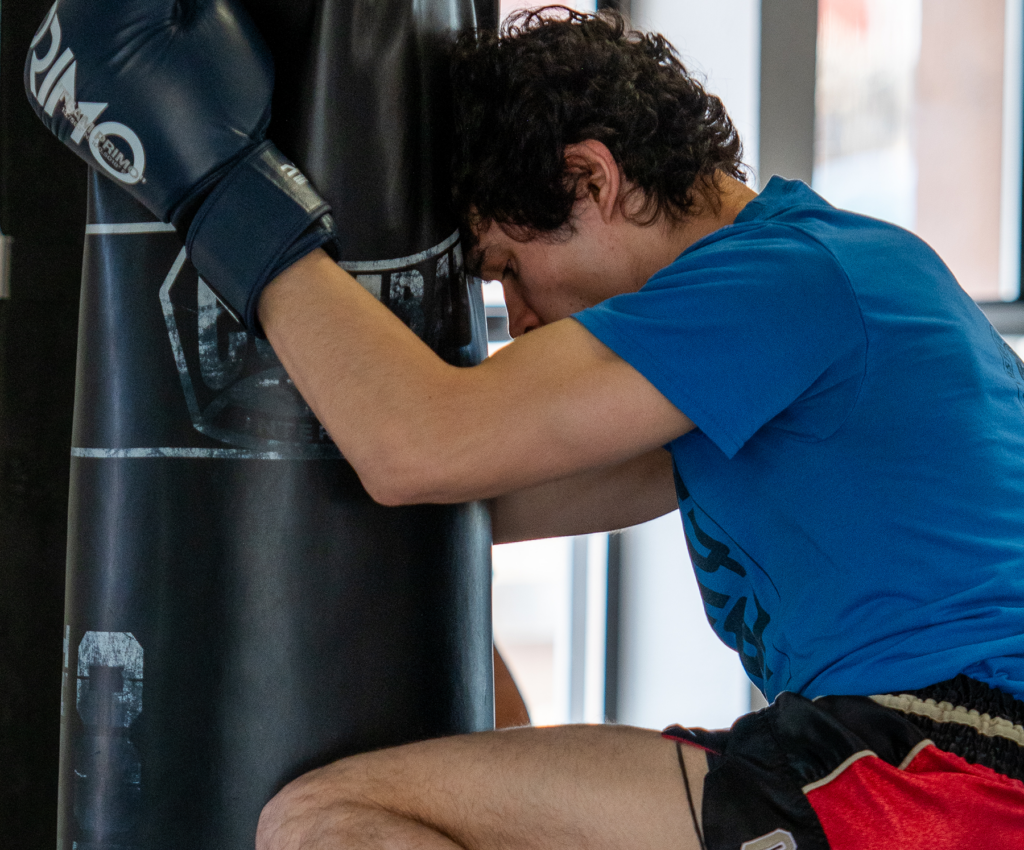
Injury prevention does not stop with partners. Even when drilling alone or working the heavy bag, focus on precision. Sharpen your tools. Do not try to destroy the bag. Overcommitting on strikes can strain shoulders, wrists and hips. Sloppy mechanics repeated at high intensity lead to overuse injuries. Slow down. Refine technique. Build power gradually.
The same principle applies to strength training. Lifting weights improves performance and resilience. Rushing progress creates setbacks. To avoid jumping the gun and injuring yourself, increase weight in manageable increments. Maintain proper form. If you approach a personal record, ask for a spot.
Asking for help shows maturity, not weakness. Training alone still requires discipline. Methodical progression keeps you improving instead of recovering from preventable injuries.
Warm up and recover with intention
Preparation reduces risk. A proper warmup increases blood flow, improves mobility and prepares joints for impact and resistance. Skipping warmups to save time often leads to stiff movement and limited range of motion during live training.
Recovery also plays a role in prevention. Sleep, hydration and proper nutrition support tissue repair. Ignoring recovery while increasing intensity creates imbalance. Listen to your body. Fatigue affects coordination and reaction time. When you feel depleted, scale back instead of forcing another high-intensity session. Longevity matters more than short-term intensity.
[Listening To Your Body: When the Voice in Your Head Gets Drowned Out By All the Aches and Pains]
Prevention over perfection
Injuries will happen. Combat sports challenge the body in ways few activities do. The goal is not to avoid every bump and bruise. The goal is to prevent serious injuries that interrupt long-term progress.
Choose partners wisely. Communicate clearly. Drill before improvising. Check your ego. Train methodically. Prepare and recover with intention.
Every decision inside the academy either increases risk or reduces it. Injury prevention doesn’t mean fear; it means awareness. It means respecting your body and your teammates. It means ensuring that you can return tomorrow, next week and next year stronger than before. Train smart. Train controlled. Train with purpose.
Be methodical.