
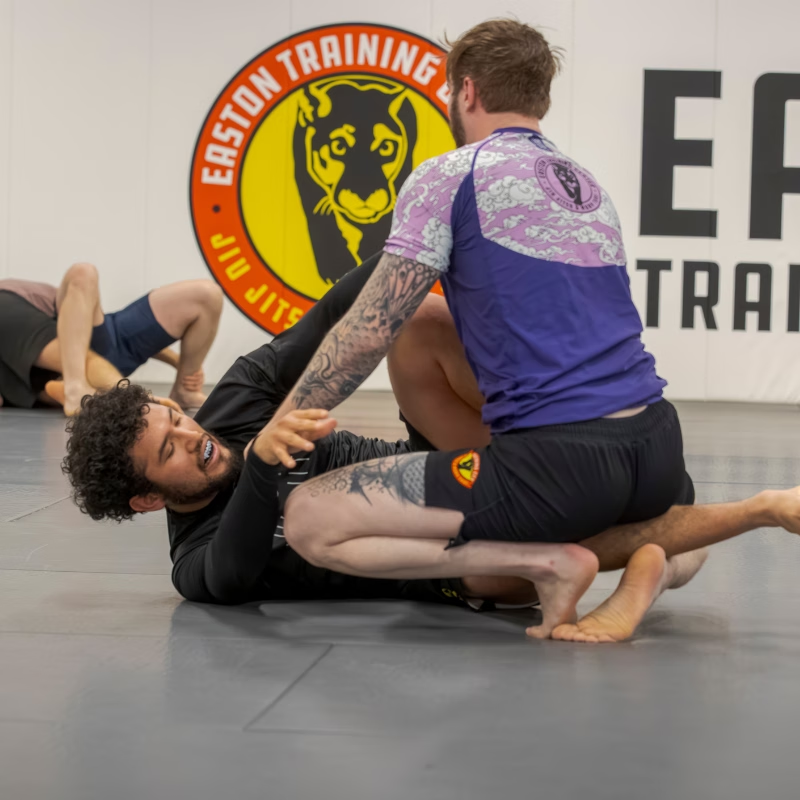
What Martial Arts Taught Me About Coaching Styles, Feedback and Authority
One of the things I’ve come to appreciate most about martial arts is that you’re never just learning techniques; you’re learning how to receive feedback and how you relate to authority.
Over the last couple of years, I’ve trained under instructors with very different coaching styles.
Some focus on what needs improvement. They give feedback that’s direct, specific, centered on the details I missed or the adjustments I need to make. Others are incredibly encouraging. They celebrate progress, point out what’s working and have a gift for helping students see how far they’ve come.
For a while, I gravitated toward the positive reinforcement. It feels good to hear you’re improving. It builds confidence and keeps you motivated to come back.
My professor has a more direct style of critique. I sometimes left conversations with him wishing he’d acknowledged what I was doing right before pointing out what needed work.
Over time, something shifted. I realized neither style was better than the other. Both were teaching me something I needed.
The encouraging coach was building my confidence. My professor was building my resilience. One taught me to believe in myself. The other taught me not to depend on external validation. Part of this realization came with the understanding of my personal interpretation of these interactions.
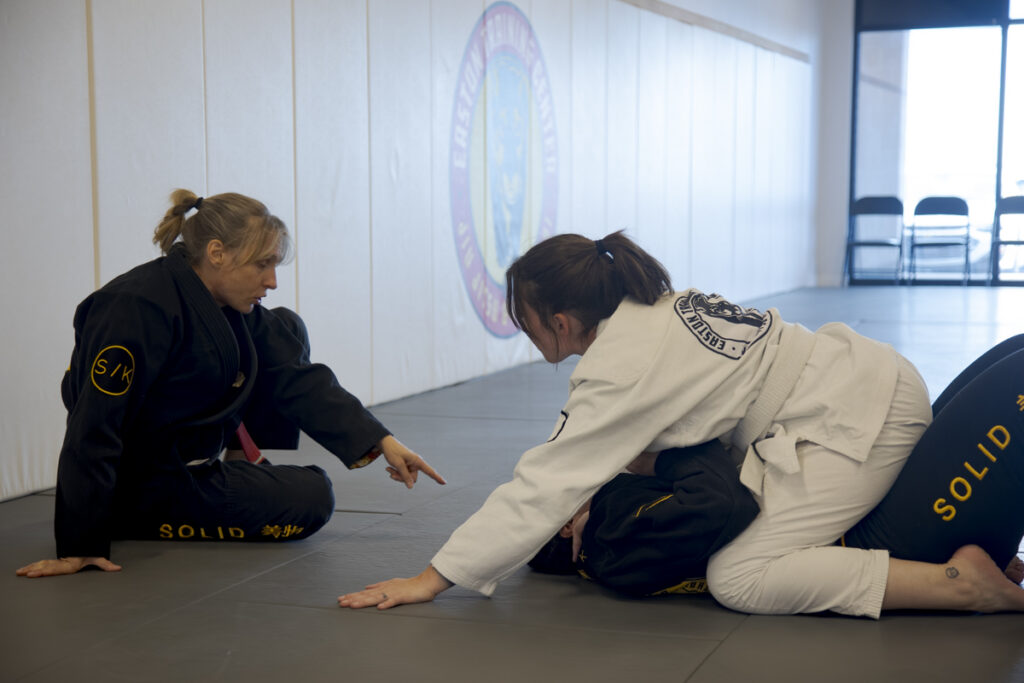
Separating feedback from personal history
When people receive coaching, they’re often reacting to more than the feedback itself. They’re reacting to what it means to them.
If a coach says “your stance is off,” one student hears “here’s what I need to fix.” Another hears “I’m failing.” Same feedback, completely different experience. The difference isn’t in the words. It’s in the story we’re attaching to them.
Many of us walk into a gym carrying years of experiences with teachers, parents, bosses, coaches and other authority figures. Those experiences shape how we interpret instruction. At least initially, we view coaching styles through the lens of our own history.
Some people learned that mistakes lead to criticism. Others learned that approval must be earned, or that authority figures are impossible to please, or that they need constant reassurance they’re doing things correctly. Without realizing it, we bring those patterns onto the mat.
One of the unexpected gifts of martial arts is that it gives us a chance to rewrite those stories. A good coach can correct you without rejecting you. A good instructor can point out your mistakes while still believing in your potential. A correction is not a personal attack; it’s information.
The more time you spend training, the more you begin to separate your performance from your identity. You can make mistakes without making yourself wrong, receive feedback without becoming defensive, hear what needs improvement without questioning your worth. For many people, including myself, that’s a profound shift.
[Mental Toughness in Martial Arts: Training the Mind Alongside the Body]
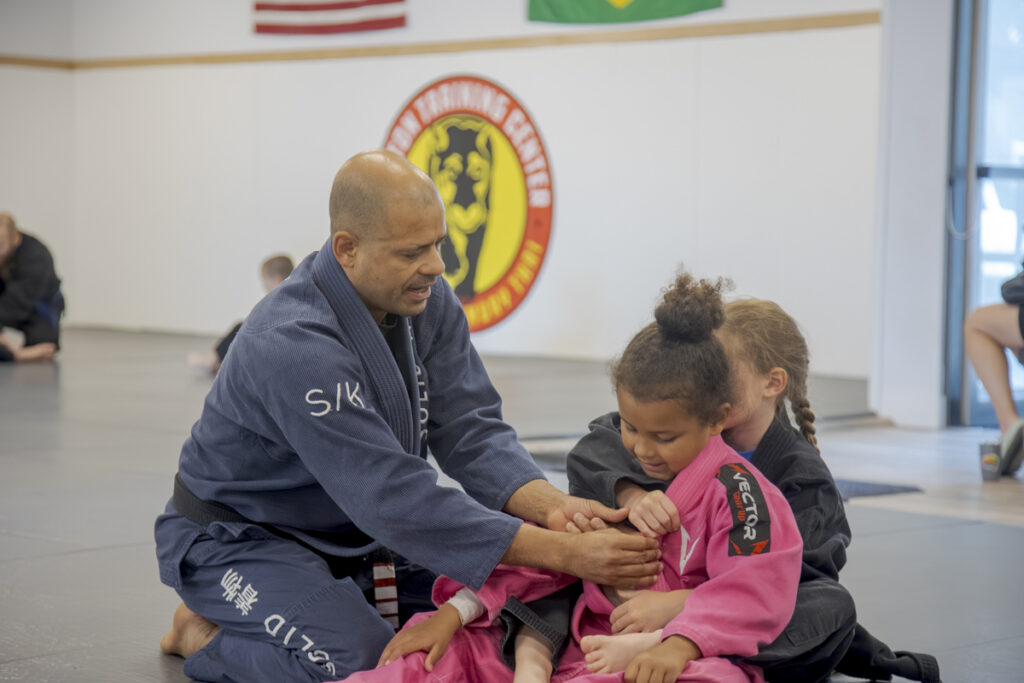
Learning to grow through different coaching styles
Now I see that encouraging coaches help build confidence, momentum, belief. Direct coaches help build objectivity, discipline, self-awareness. One reminds us of our strengths. The other reminds us that growth is always available.
The healthiest place isn’t depending on either one, it’s learning to benefit from both: appreciating encouragement without requiring it, accepting correction without taking it personally, trusting yourself enough to hear hard feedback and use it.
Whether you practice Brazilian Jiu Jitsu, Muay Thai or any other martial art, you’re not just training to get better at the sport. You’re training to stay teachable, to receive feedback without making it mean something about your value as a person and to respect authority without giving away your power.
It can be hard to trust yourself and stay open to guidance at the same time. But some of the most important growth doesn’t happen when a technique finally clicks. It happens when you realize that correction isn’t rejection, feedback isn’t failure and authority doesn’t have to be something you fear.
Sometimes the lesson behind the lesson is the one that changes you most.