Mental Toughness in Martial Arts
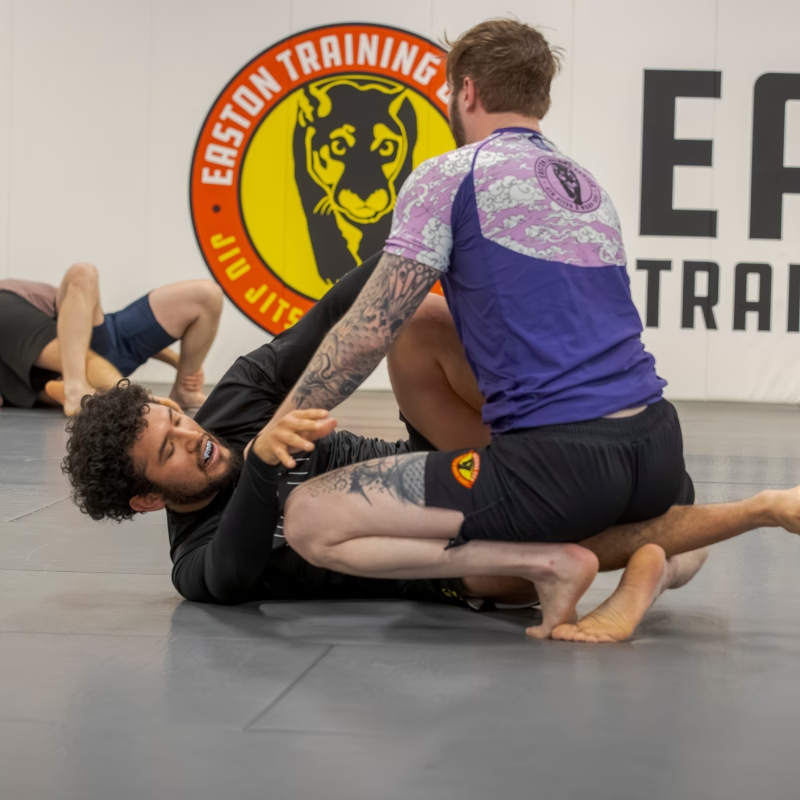
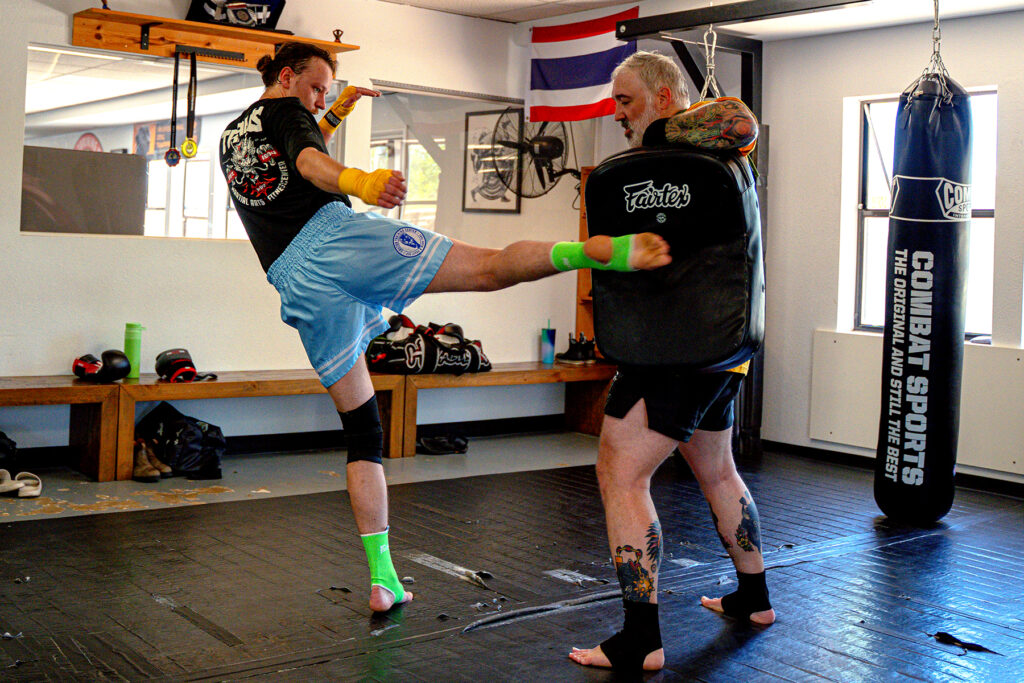
Every martial artist knows the sensation: an aching shin after Muay Thai sparring, the persistent shoulder soreness after BJJ rolling, the slow burn in your legs from repeated drilling.
These physical setbacks might deter many from disciplined practice, yet committed fighters return again and again, not simply because of physical payoff, but because of the psychological stimulation inherent in martial arts. The strategy, continuous feedback loop and mental challenge are just as engaging as the physical.
So what about martial arts builds mental toughness? And how does this play out not just in adults, but in children as young as four?
Defining “mental toughness“
Clinical research frames mental toughness as a cluster of psychological characteristics that help individuals perform effectively under pressure, manage stress, and sustain high motivation in the face of adversity. Recent research confirms this across athletic populations.
A 2025 study in BMC Psychology found that athletes high in mental toughness experienced lower competitive anxiety and stronger mental imagery skills, both of which enable better performance under stress. This ability to visualize success and regulate emotional responses becomes essential in combat sports, which require constant decision-making under pressure.
[Building Mental Toughness Through Jiu Jitsu]
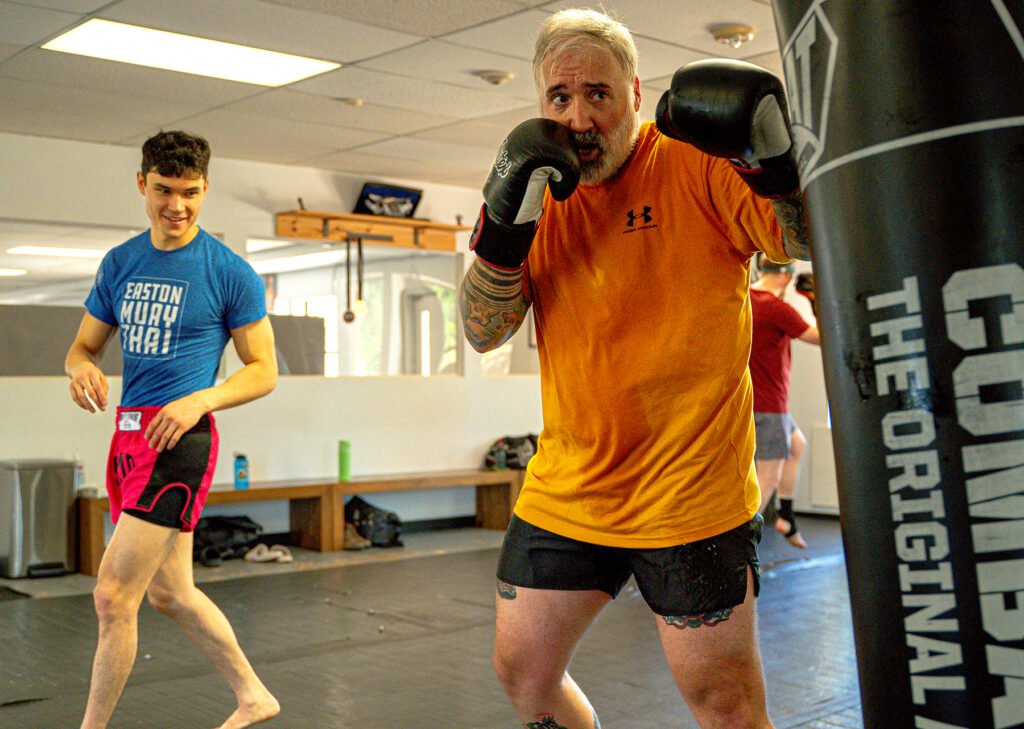
Your body might ache, but your mind trains too
Physical discomfort and injury pose a real challenge along the martial arts journey. Building mental toughness doesn’t mean ignoring pain; rather, it involves integrating challenges into the psychological learning process.
A 2023 study in PubMed specifically examined athletes in combat sports and found that those with higher mental toughness reported greater self-confidence and lower pre-competition anxiety than less mentally tough peers. This suggests that resilience in combat sports like Muay Thai and BJJ is part physical endurance and part a psychological skillset. This mental skillset can help optimize performance even when stress levels rise.
This pattern aligns with research showing that mentally tough athletes engage with physical drills as well as strategic thinking, emotional regulation and adaptive adjustment, all cognitive processes that boost resilience.
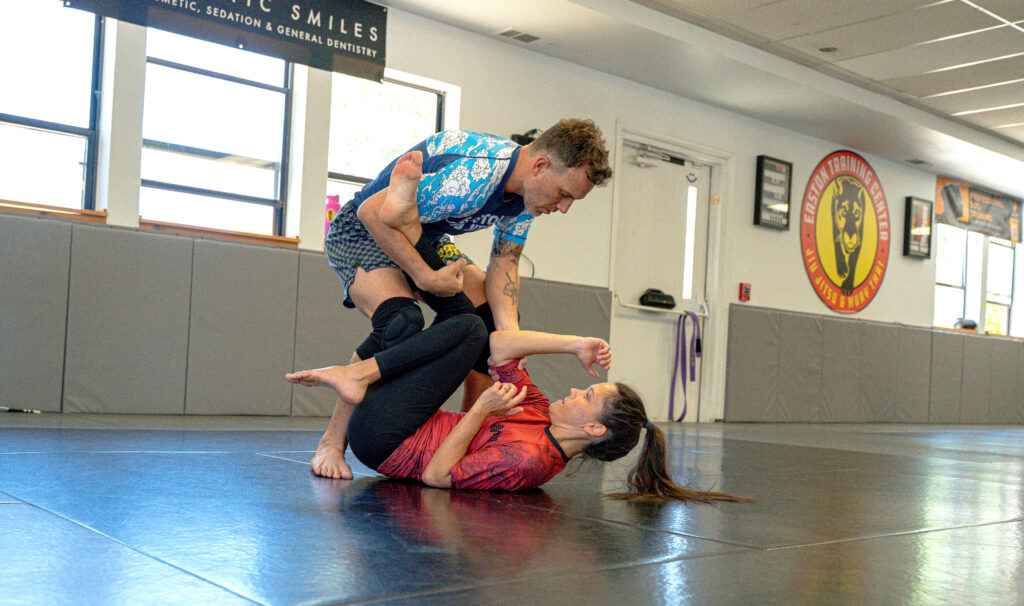
[Getting Comfortable with Discomfort]
Children on the Mats: A Rapid Transformation
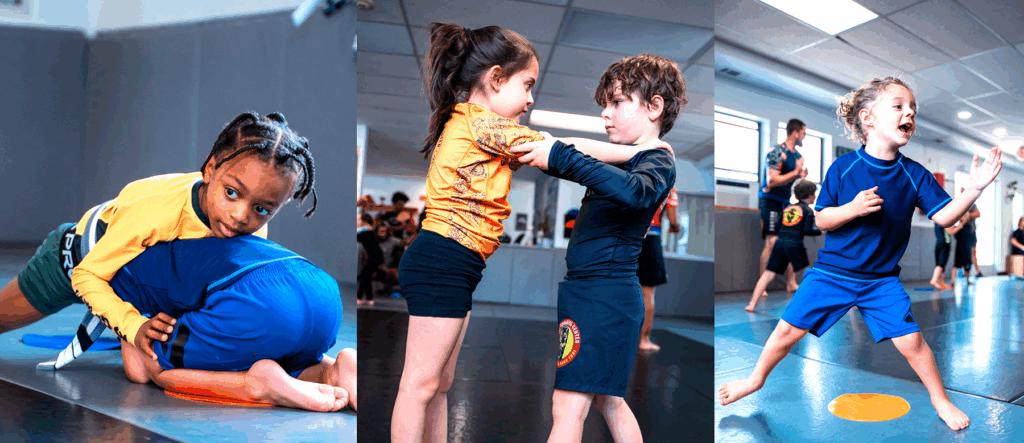
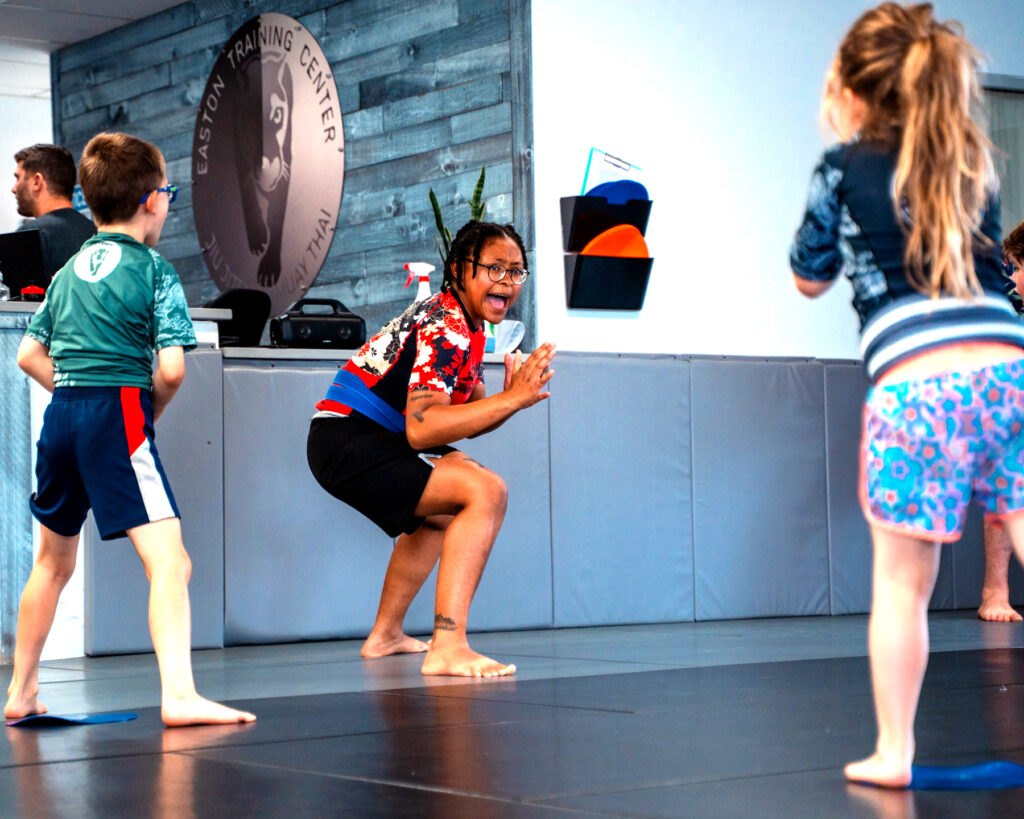
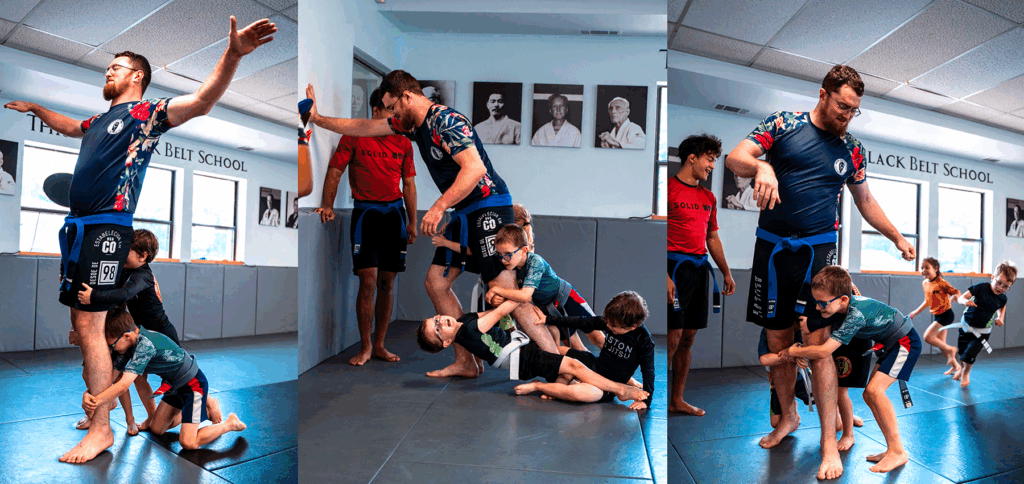
One of the most dramatic demonstrations of martial arts’ impact on mental toughness can be observed in Easton’s Little Tigers program for children aged four through seven. Many children begin classes clingy, fearful or overwhelmed: tears at separation, reluctance to engage and hesitancy in drills.
Yet, within months, many go from tearful to eagerly asking to drill with bigger coaches or expressing interest in competing. This transformation reflects profound psychological development, besides physical skill growth.
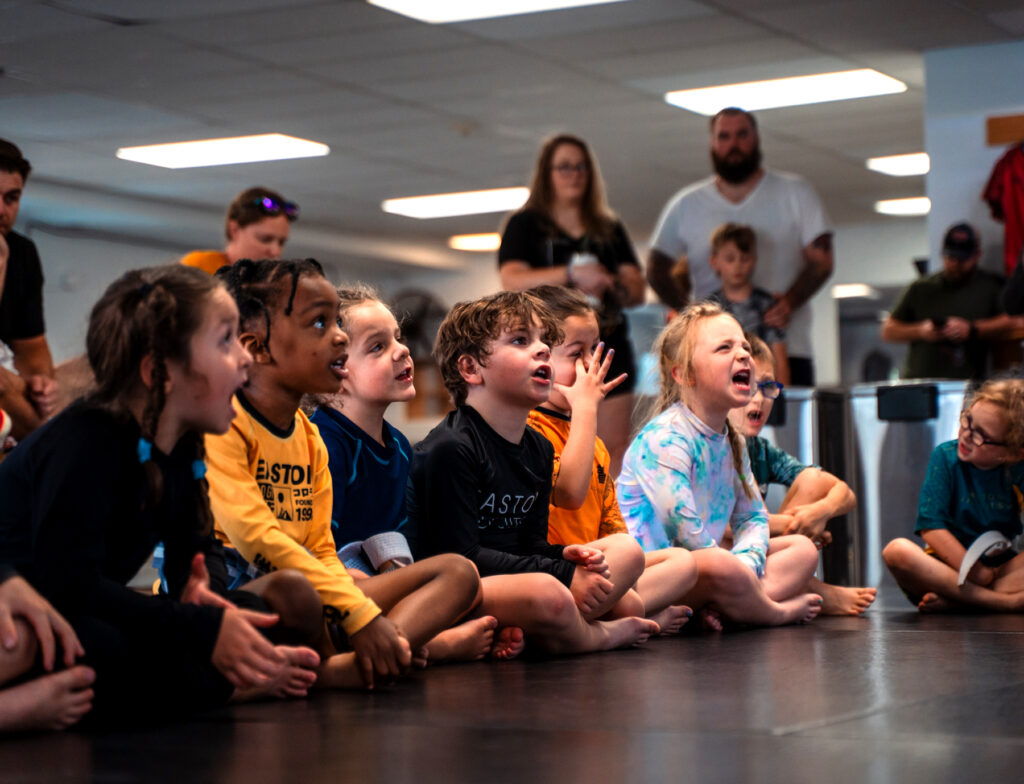
This development curve stems from patient nurturing by coaches and parents, a real-life example of modern research that says mental toughness develops in supportive environments. A 2025 article in Behavioral Sciences linked mental toughness to motivational climate and psychological needs in athletes, finding that environments focused on autonomy, task mastery and encouragement help build mental resilience. Such climates encourage learners to interpret struggle as progress rather than failure.
When we praise children for effort, support them through challenges and give them clear goals, they build confidence, and this confidence fuels persistence. That’s why a child who once cried at the door now stands eagerly on the mat: their motivation climate has shifted, and their mental toughness has grown in response.
Why martial arts is particularly effective for mental toughness
1. Immediate feedback and adaptive learning
Martial arts provide clear, timely feedback: a sweep that fails, a missed grip, a technique that works. This direct feedback loop engages cognitive processes like reflection and strategic revision, reinforcing resilience. As research from Psychology of Sport and Exercise suggests, exposure to controlled stressors in training such as sparring or competitive scenarios enhances stress coping strategies, essentially serving as real-time psychological conditioning.
2. Failure is part of the curriculum
In martial arts, failure isn’t a dead end; it’s a datapoint. Rather than being discouraged by failure, successful martial artists learn to extract lessons from it. Stanford researcher Carol Dweck’s growth mindset research has played a foundational role in showing that mentally tough people interpret failures as steps toward mastery rather than evidence of inadequacy. Recent work supports this, showing that athletes who treat setbacks as learning opportunities develop stronger resilience than those who view them as permanent shortcomings.
[The Power of Mindset in Martial Arts]
3. Physical Training Reinforces Grit and Endurance
In a 2024 Psych (MDPI) study, researchers found that individuals who regularly work out or train hard exhibited a stronger relationship between grit and consistent perseverance toward long-term goals. In other words, consistent physical training doesn’t just build endurance; it reinforces psychological traits essential for persistence and resilience. Committing week after week to challenging drills, despite discomfort, builds both physical conditioning and the psychological muscle required to persist in goals beyond martial arts.
Combat sports vs other disciplines
A 2024 comparative analysis suggests that combat sport athletes and precision athletes (e.g., archery, golf, tennis, etc.) develop different facets of mental toughness but similar overall resilience. While precision athletes excel in concentration and focus under controlled conditions, combat athletes show especially high motivation and coping under chaotic physical stress. This suggests that martial arts’ unpredictability from the dynamic exchange of movement and strategy uniquely strengthens psychological adaptability.
Mental toughness is built not born
Whether you’re returning to the gym despite an injury, adapting your game after a tough session or competition, or celebrating the transformation of a tearful child into a confident competitor, what you’re witnessing is mental toughness in action. Martial arts helps develop mental toughness through:
- Cognitive engagement (decision-making, strategy)
- Emotional regulation (managing fear, frustration, success, and failure)
- Resilience training (learning from setbacks)
- Motivational environments (supportive coaching and task mastery focus)
Martial arts is not just a sport; it’s a training ground for the mind.
Further reading on related topics:
- Mental toughness, anxiety and sport imagery skills in elite athletes. BMC Psychology (2025)
- Motivational climate and mental toughness in athletes. Behavioral Sciences (2025)
- Mental toughness, anxiety, and confidence in combat sports athletes. PubMed (2023)
- Relationship between physical activity, grit, and mental toughness. Psych (MDPI) (2024)
- Stress exposure and coping strategies in athletes. Psychology of Sport and Exercise (2025)
- Comparison of mental toughness among combat sports and precision sports athletes. Physiology Journal (2024)