Barefoot for Life
When I was nine years old, I was racing a friend at a park. We ran as fast as we could, pushing each other through that natural, innate competition seen in children. For some reason, in the next race, we both decided to take our shoes off. I still remember the feeling — like we were flying across the field. I have been fascinated by barefoot living ever since.
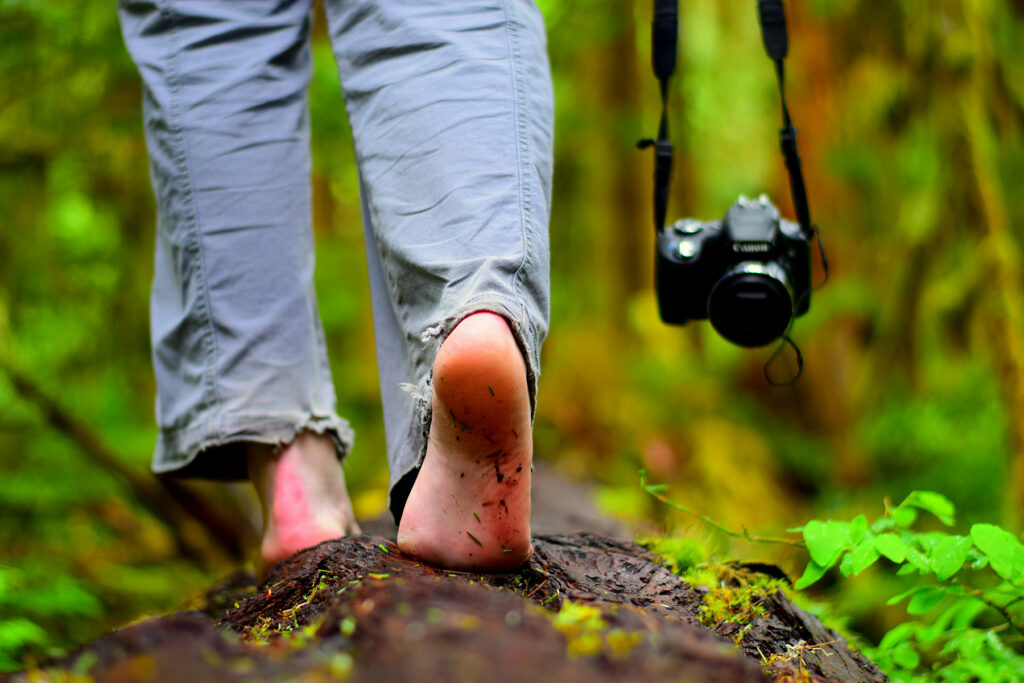
Our feet form our connection to the ground, and are works of art. Bipedalism, two-footed-ness, stands somewhat unique in the animal kingdom, particularly among mammals. It has allowed our hands to become creative and dextrous, and the complex network of muscles, bones and tendons in our feet and ankles allows a diversity of movements, from running to skipping and jumping.
Supporting our stance
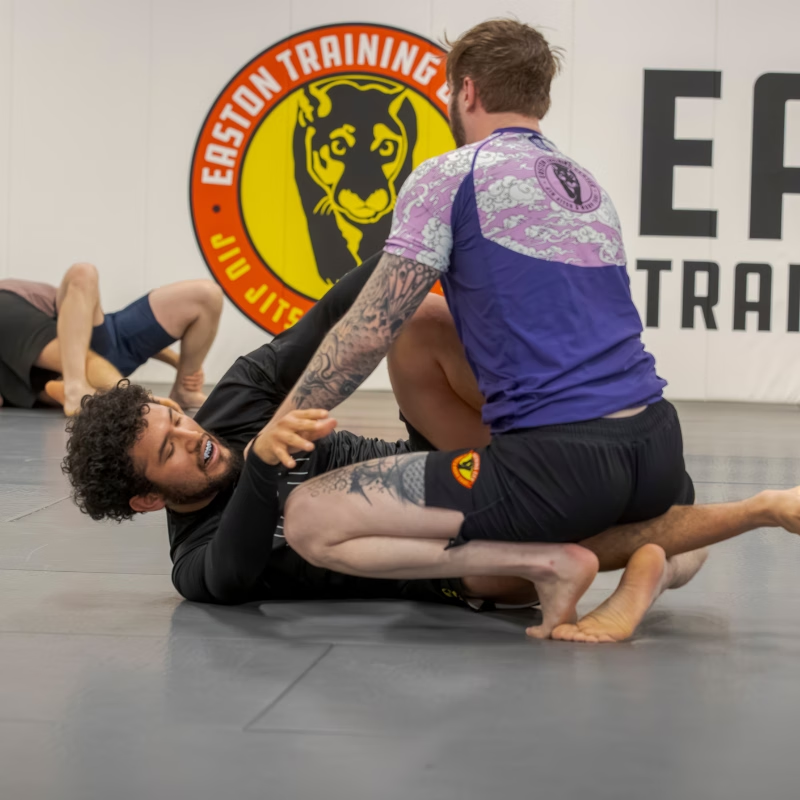
In our martial arts practice, we almost always begin in a “stance.”
Coaches call out, “Find your stance for shadowboxing” or “Start in a good wrestling stance.”
While this refers to the shape of our whole body, it starts with our feet on the floor. The strength, stability and elasticity of our feet have a major impact on our ability to throw a kick or shoot a double leg.
Unfortunately, the “support” of modern footwear can cause our feet to atrophy. The book Born to Run by Christopher McDougall contrasts the plight of modern feet with the practices and physical vitality of traditional running societies, especially those using minimalist footwear. Putting attention into strengthening our feet to unlock their natural capabilities offers immense benefits, yet it can take time and forethought.
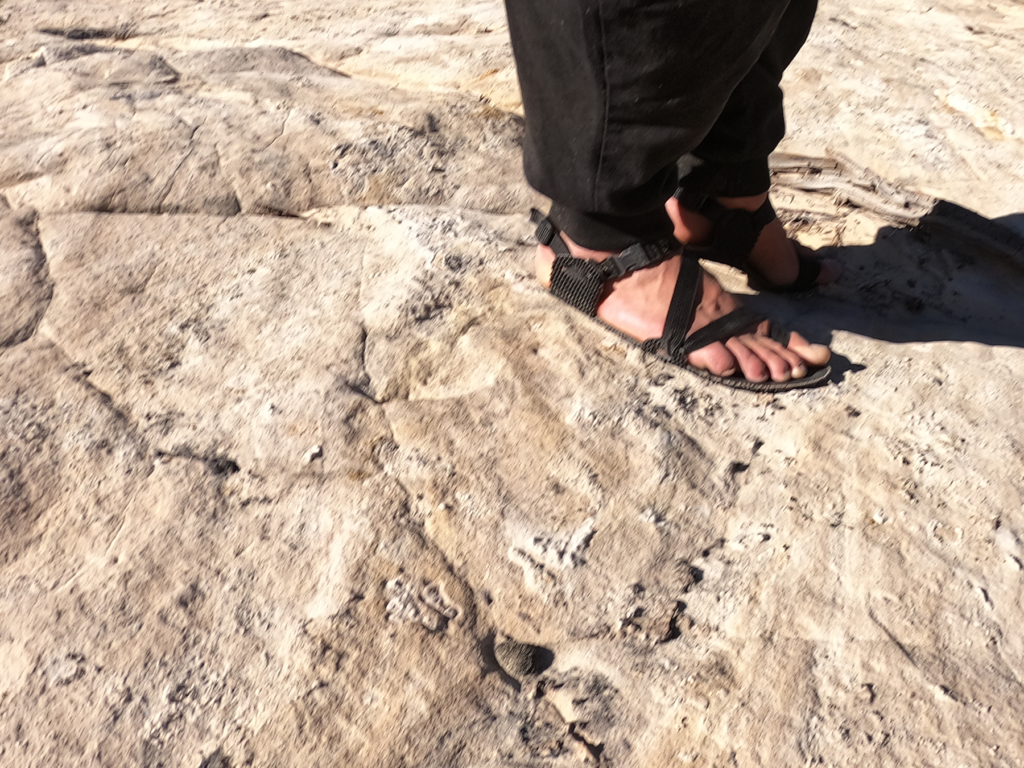
For several years, I would go barefoot, or in homemade sandals — sometimes for six months straight. Other than entering a store or restaurant, I would garden, hike and run barefoot. I was amazed at how my feet adapted: my toes widened, my calluses easily handled thistle spines, and I would waltz through the first frosts of the year, trusting my tough feet to stay warm. Putting shoes on in November was always a sad moment. They immediately felt imprisoned after half a year of freedom.
While that barefoot era was a fun experiment, I continue to see improvement in balance, movement and “injury-proofing.” Those years laid a foundation, and I’m still enjoying the results. Strong muscles and ligaments help us to navigate physical obstacles and challenges.
[Stretching for Recovery, Performance and Injury Prevention]
Strengthening our feet
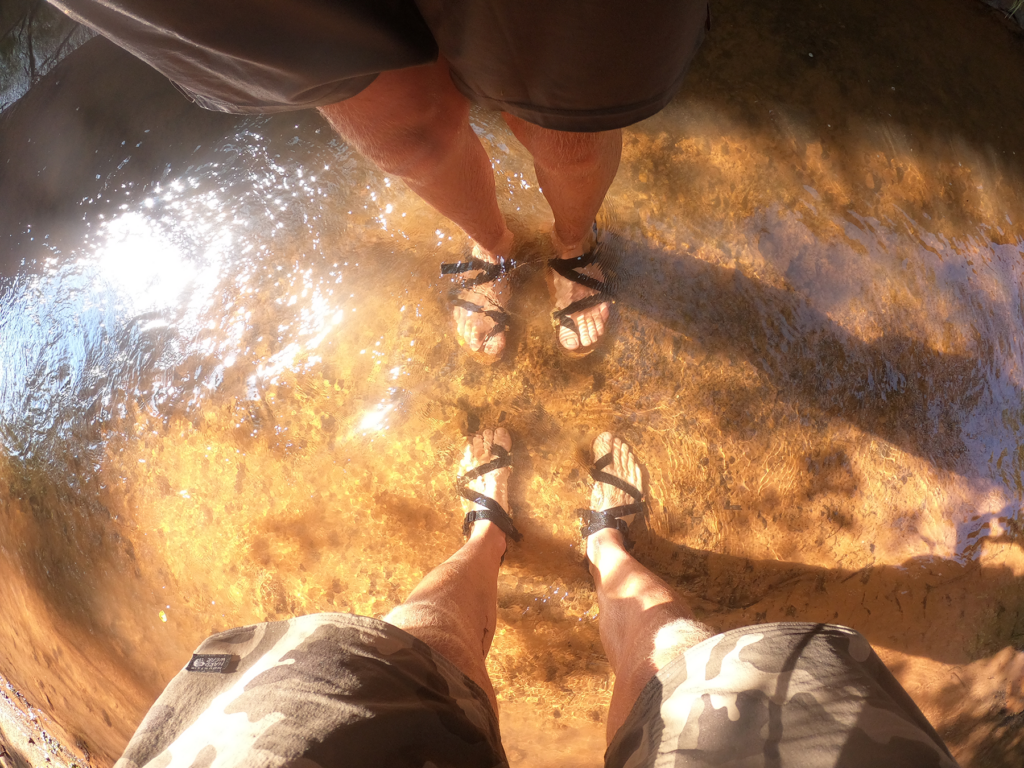
There are incredible benefits to strengthening our feet, and the simplest way to start is by walking barefoot. In our martial arts practice, we spend time on the mats without shoes, which is a great start. However, like any strength training, we need to increase the time and add difficulty to the movements we perform without supportive shoes. It’s not always practical to walk truly barefoot, but we can achieve many of the same results with minimalist shoes.
When I spent much of the year barefoot, I wanted shoes that didn’t force my feet into an artificial shape. At the time, this meant I was stuck with making my own footwear. These ranged from elegant to pretty goofy, like the winter I ran around in three layers of wool socks!
Luckily, a plethora of brands now sell minimalist footwear (I personally avoid the term “barefoot shoes,” it feels too oxymoronic). You can easily buy anything from sandals to winter boots that are “zero drop” (i.e., flat) with minimal support and cushioning.
Some of my favorite brands include: Xero Shoes, Vivobarefoot, Bedrock Sandals, Earth Runner Sandals and Mini Mil Boots.
A couple of words of caution: first, go slow. If you aren’t used to going barefoot, your muscles and ligaments need time to strengthen. Some folks adapt quickly, but listen to your body. Second, standing on hard surfaces all day can be rough in minimalist footwear. After a full day of coaching and cheering at a BJJ competition without any cushioning on my feet, my lower back hurts.
[Listening To Your Body: When the Voice in Your Head Gets Drowned Out By All the Aches and Pains]
Practices to strengthen the feet
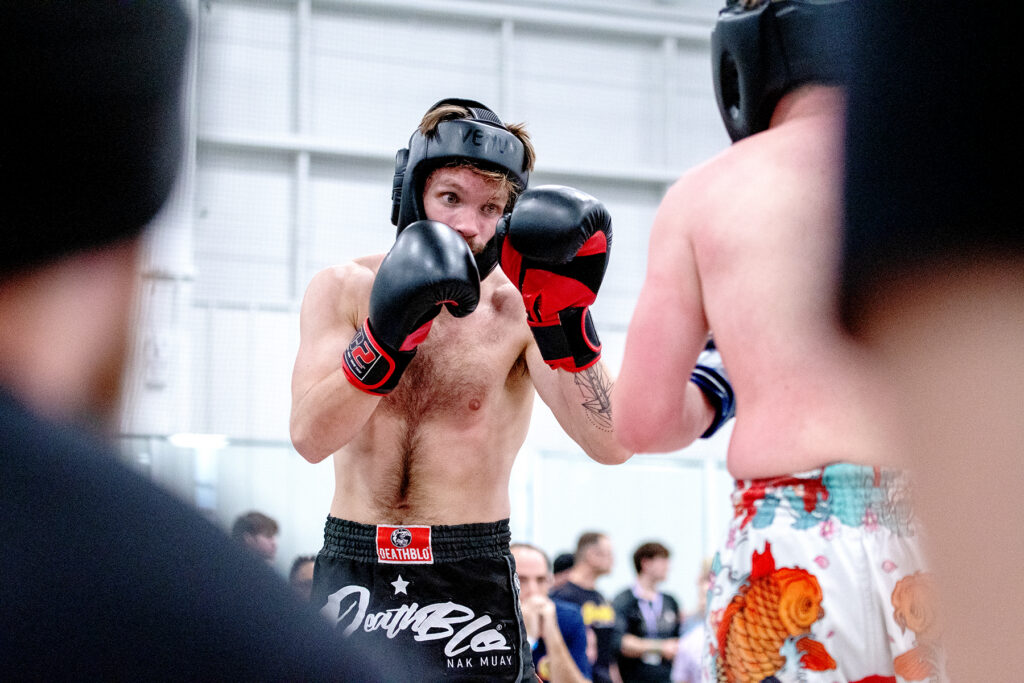
One of my favorite exercise tools in general, and for my feet and ankles specifically, is the jump rope. A key part of our Muay Thai practice, jumping rope helps develop stability and elasticity, especially barefoot or in minimalist shoes.
Try wearing minimalist shoes for a portion of each day, but focus on varied movements. Balancing on curbs on the way to the store, hopping up stairs, skipping. Wear minimalist shoes while lifting weights, or practice simple parkour-like movements. Play frisbee barefoot at the park.
I love running barefoot or in minimalist shoes, but learning to run with a midfoot strike instead of heelstriking, which is hard on the joints, becomes critical. Even if you’re an experienced runner, start with a short run. Midfoot striking uses different muscles, which need to be gradually strengthened.
The esoteric side
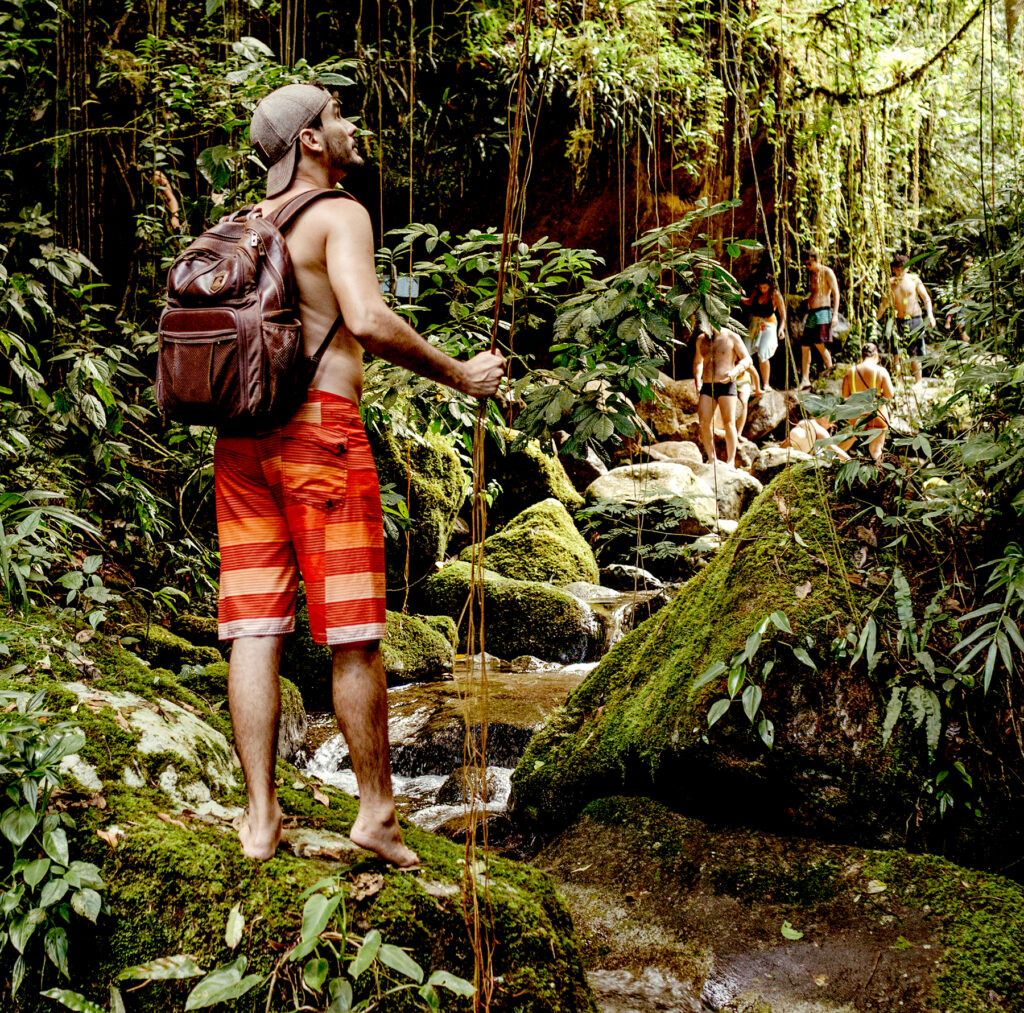
Walking barefoot feels good, walking on natural surfaces even better. Many people speak of the benefits of “grounding,” literally linking our bodies’ electrical field to that of the planet. Benefits are said to range from reducing inflammation to improving sleep to speeding up recovery — something I’m always looking for!
Honestly, while I feel these benefits, I can’t factually confirm them. I spend enough time outside that it becomes hard to get scientific about my experience. At the end of the day, it feels positive, and I enjoy the sensation of having my feet on the ground. Sometimes, that’s enough.