The Alphabet of Martial Arts for Kids
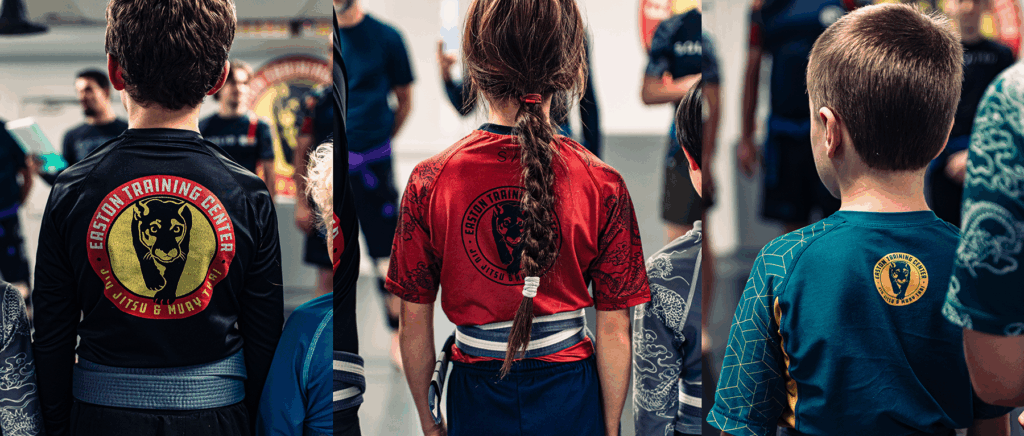
At Easton Training Center, martial arts isn’t just about learning punches and kicks — it’s about building character from the inside out. Our kids’ programs teach focus, confidence, and respect through movement and discipline.
Martial arts teaches us more than punches and kicks. It helps us grow strong in mind, body, and heart. We’ve put together a fun way to explore martial arts by looking at each letter of the alphabet – the perfect way to share the multifaceted benefits of martial arts with your Tigers and Little Tigers!
Each letter in the alphabet reminds us of an important lesson we can learn on the mats, but they also extend far beyond the academy. Let’s explore the ABCs of martial arts together!
A – Accountability
In martial arts, we learn to take responsibility for our choices. If we forget our belt, show up late, or miss a class, we don’t make excuses — we fix it and do better next time. Accountability means owning our progress, our attitude, and our effort. It’s how we grow stronger both inside and outside the academy.
B – Bully-Free
A martial arts school is a place where everyone belongs. We train in a bully-free zone, where kindness and respect matter most. Here, we lift each other up, cheer for our partners, and never use our skills to hurt others. A true martial artist uses strength to protect, not to intimidate.
C – Compassion
Compassion means understanding how others feel and showing care. Whether it’s helping a new student learn a move or checking in when someone gets hurt, compassion builds trust in our community. When we treat our teammates with empathy, we make the dojo a place where everyone feels safe and supported.

D – Discipline
Discipline is the backbone of martial arts. It’s what helps us bow before class, listen to our coaches, and give 100% to every drill. Discipline teaches us to stay focused even when we’re tired or distracted. The more we practice it, the easier it becomes to stay consistent — not just in training, but in life.
E – Energy
Our energy is powerful — it fuels every punch, kick and movement. In training, we learn to channel that energy instead of wasting it. We find balance between giving our all and knowing when to rest. Learning to manage energy helps us stay sharp, centered, and ready for anything.
F – Failure
Failure might feel disappointing, but it’s one of our greatest teachers. Every time we lose a match, struggle with a technique, or fall short of a goal, we get a new chance to learn. In martial arts, failure isn’t final — it’s fuel for growth.
G – Grit
Grit is the courage to keep going when things get hard. It’s staying in the round even when we’re tired, or trying that move again and again until we get it right. Grit is what turns effort into excellence, and it’s something every great martial artist has.
H – Helping
Helping others is part of what makes martial arts special. We hold pads, offer tips, tie belts, and cheer for our training partners. When we help others improve, we all grow stronger together. Being helpful shows leadership, generosity, and teamwork.
I – Integrity
Integrity means doing the right thing — even when no one’s watching. It’s choosing honesty, fairness, and respect in everything we do. Whether we’re training, competing, or out in the world, integrity reminds us to carry the spirit of martial arts everywhere we go.
J – Judgment
Good judgment helps us make smart, quick decisions — both on the mats and off. In martial arts, it means knowing when to defend, when to attack, and when to pause. Good judgment keeps us safe, helps us learn strategy, and reminds us to think before we act.
K – Kinetic
“Kinetic” means movement and motion — and that’s what martial arts is all about! Every kick, strike, and roll uses kinetic energy to create power and speed. We learn how to move our bodies efficiently so our techniques feel smooth, strong, and precise.
L – Lose
Everyone loses sometimes, and that’s okay. Losing is part of learning, and it helps us grow humble and determined. When we lose, we reflect, adjust, and come back better. What matters most isn’t the loss — it’s how we respond to it.
[What to Say If Your Kids Lose Their Match]
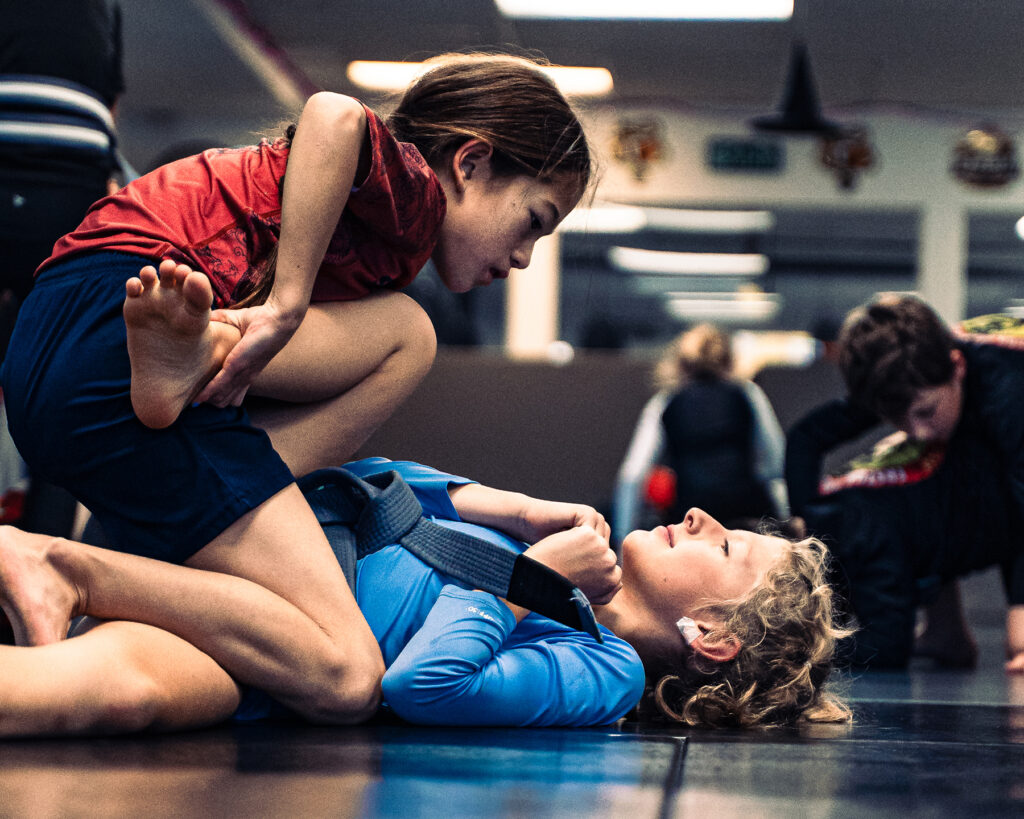
M – Mindset
A strong mindset keeps us focused, calm, and confident. We practice believing in ourselves, even on tough days, and staying positive when challenges arise. A good mindset helps us push through frustration and see every obstacle as an opportunity to improve.
N – Nak Muay
A Nak Muay is a Muay Thai fighter — known for strength, respect, and heart. Being a Nak Muay isn’t about being the toughest person in the room; it’s about showing discipline, courage, and spirit in everything you do. We train like a Nak Muay when we approach every challenge with determination and grace.
O – Oss!
“Oss” is a word used in many martial arts to show respect and acknowledgment. It can mean “yes,” “thank you,” or “I understand.” When we say “Oss,” we’re honoring our instructors, our teammates, and the martial arts journey itself.

P – Process
Progress doesn’t happen overnight — it’s built through small, steady steps. The process of training teaches us patience and persistence. Every repetition, every drill, every correction moves us forward. Trusting the process is how we turn practice into progress.
Q – Quality
Quality always matters more than quantity. It’s better to do one great kick than ten sloppy ones. By focusing on clean technique and good form, we build strong foundations that last. Quality training helps us move safely, effectively, and with pride in our work.
R – Resilience
Resilience is our ability to bounce back after challenges. When we get knocked down, make mistakes, or face setbacks, resilience helps us stand up again. It reminds us that we’re stronger than we think — and that every challenge makes us tougher.
[5 Ways to Be a Good Training Partner]

S – Stewardship
Being a good steward means taking care of the things and people around us. We sweep the mats, clean our gear, and respect our training partners. Stewardship shows pride in our space and gratitude for the opportunity to train.
T – Tenacity
Tenacity means sticking with something, no matter how long it takes. It’s what helps us keep going through hard classes, tough matches, and long journeys toward our next belt. Tenacity transforms effort into achievement.
U – Unity
Unity means we’re stronger together than we are alone. Martial arts brings people of all ages, backgrounds, and skill levels together to share one goal — becoming our best selves. Unity reminds us that teamwork, cooperation, and community make training even more meaningful.
V – Versatility
A versatile martial artist can adapt to anything. We learn different techniques, styles, and strategies, staying open to new challenges. Versatility keeps our minds flexible and our movements sharp. It’s how we grow into well-rounded practitioners.
W – Willpower
Willpower is that inner fire that keeps us moving forward, even when we’re tired or unsure. It’s what gets us to class on tough days and pushes us to finish strong. With willpower, we can accomplish things we never thought possible.

X – X-Guard
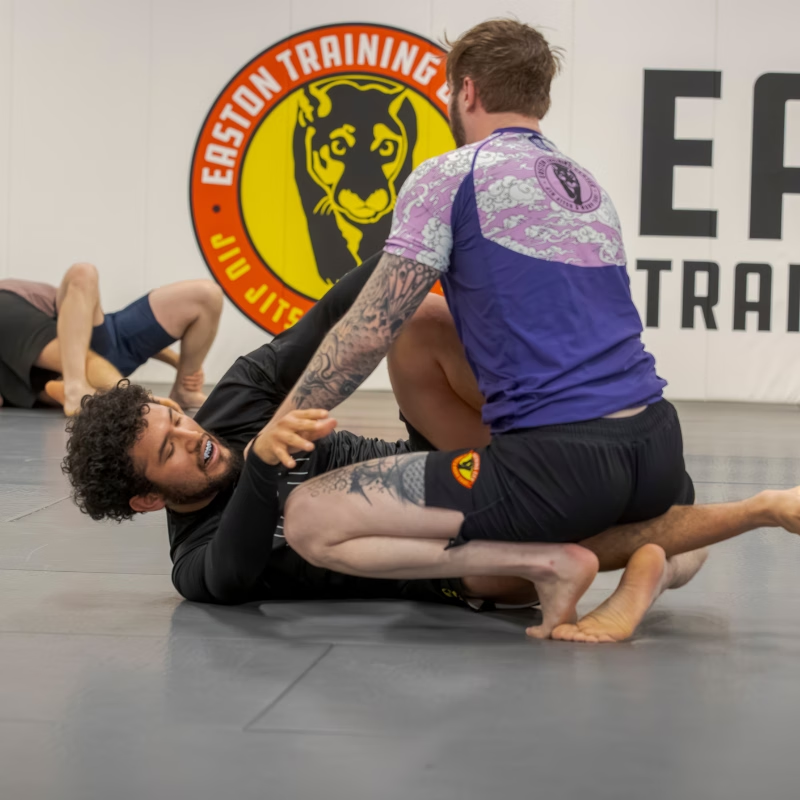
The X-guard is a special position in Brazilian Jiu Jitsu that gives you control, balance, and leverage. It reminds us that technique and strategy often win over strength alone. The X-guard teaches us to think creatively and use what we’ve learned to stay in control.
Y – Yoga
Yoga teaches us how to balance strength with calmness. Through stretching, breathing, and focus, it helps us move more smoothly and stay centered during training. Yoga connects our body and mind, improving flexibility, recovery and mindfulness on the mats.
Z – Zone
In Muay Thai, zones describe the distance between you and your opponent — like Zone 1, where you’re close enough to clinch, and Zone 2, where you trade kicks and punches. Understanding the zones helps you control distance, timing, and defense. It’s a great reminder that awareness and positioning are just as important as power.
Thank you for learning our martial arts ABCs with us!
At Easton, we believe the lessons kids learn through martial arts go far beyond physical skill. Each class helps them develop patience, teamwork, confidence, and the ability to face challenges with courage. The alphabet of martial arts is a reminder that every bow, drill, and sparring round helps build not just better athletes — but better humans.
—–