Competing in Muay Thai: Preparation, execution and the aftermath
Have you ever wondered what it feels like to step into a ring?
Competing in Muay Thai pushes you physically, mentally and emotionally. The fight itself makes up a relatively small part of this uniquely challenging experience. The process begins long before fight night and continues long after the final bell.
From training camp to weigh-ins to the aftermath, every stage shapes you not only as a martial artist, but as a person.
Fight camp
“Don’t whine. Don’t complain. Don’t make excuses.” — John R. Wooden
Before the fight even arrives, the work you put into fight camp often decides the outcome.
Whether you are preparing for a local smoker, state or high-level tournament, or even a world championship bout, camp demands discipline. It forces you to break bad habits and replace them with better ones on a short time frame.
Your coaches will hold you to a higher standard. They’ll push and critique you in ways that you might not be used to. Every detail matters. Every missed round, every lapse of focus and every shortcut in camp can affect your performance in your fight.
Accountability can feel uncomfortable. But before you question your coach or teammates, ask yourself: Are you frustrated because they are pushing you? Or because you are not taking full responsibility for your performance? Coaches hold you accountable because they care. If they didn’t, they would not correct you.
There is no such thing as a perfect camp. You can train well and still lose. You can struggle in camp and still win. What matters is the work you put in and the adjustments you make along the way.
The weight cut
“Never make excuses. Your friends don’t need them and your foes won’t believe them.” — John R. Wooden
Before the fight, there’s often a toll to pay: the weight cut.
Showing up on weight is your responsibility as a competitor. Fighters who weigh in above their designated weight class can lose title eligibility, receive fines, or even see their bout canceled. Missing weight without a valid reason reflects poorly on an athlete and shows a lack of respect for the opponent, the promotion and the sport.
Cutting weight is one of the most physically, emotionally and mentally demanding parts of competing in Muay Thai. Because it involves losing weight rapidly through water loss, it can also be extremely dangerous if performed incorrectly. Coaches and experienced teammates provide essential guidance and supervision to keep you safe, healthy and ready for the fight.
The weight cut can last several days, and dehydration sets in quickly. Sleep becomes harder. Time slows down. Your body resists the process, but your mind must stay disciplined. You wage an internal battle between discomfort and determination.
After weigh-ins, you must re-hydrate carefully. Drinking too much too quickly can be just as dangerous as cutting weight. Safe recovery requires patience and control.
Fight day
“Success comes from knowing that you did your best to become the best that you are capable of becoming.” — John R. Wooden
When the big day finally arrives, the emotional buildup can feel overwhelming. Some fighters imagine victory and gain false confidence. Others imagine failure and create unnecessary doubt. Both are distractions. Remember to focus on what is, not on what might be.
You arrive at the venue and get warmed up. Your focus sharpens and adrenaline spikes. When your name is called, it’s time to walk out. Stay composed. Follow your routine. You step into the ring, ready to represent your team, your coaches and your work.
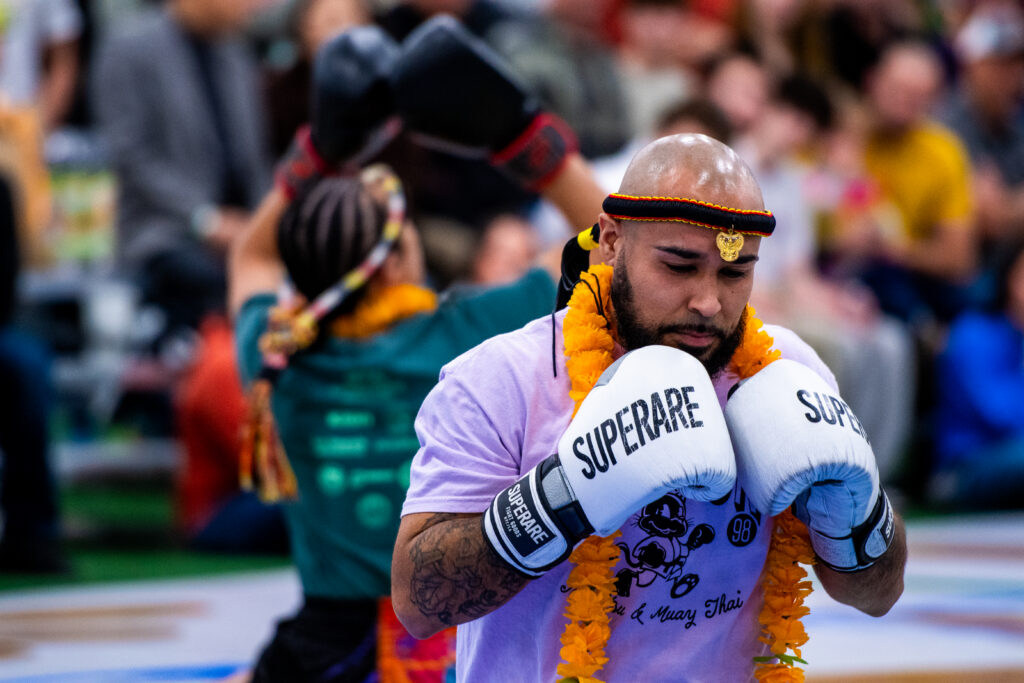
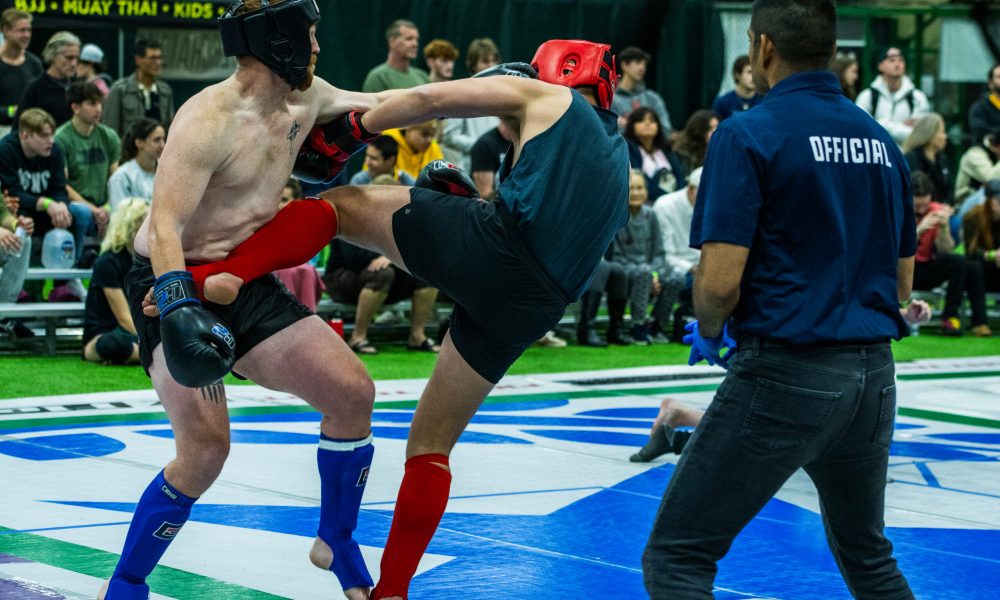
Once the fight begins, time feels different. A few minutes can seem like an eternity. You must stay present and rely on your preparation. Listen to your coach. Pay attention to your opponent.
Focus on three key elements: execution, adaptability and conviction.
- Execute your game plan.
- Adapt when things change.
- Commit to your decisions.
[Mental Prep + Fortitude: How to Win Mentally at Your Next Competition]
The aftermath
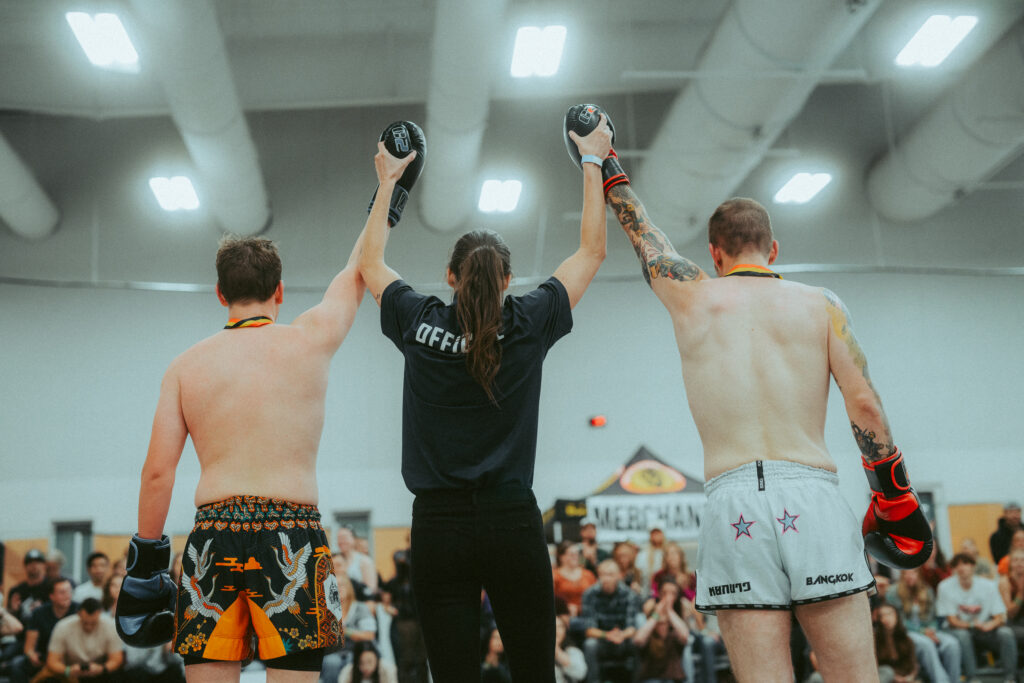
When the fight ends, your behavior matters just as much as your technical performance. Whether you win, lose or draw; show respect, humility and gratitude. Those values define you as a martial artist.
Your true growth happens in the aftermath of the fight. Every bout teaches you something. Winning builds confidence. Losing reveals areas for improvement. But growth depends on your mindset. The worst thing a competitor can do is remain stagnant.
Progress comes from making adjustments, learning from mistakes and continuing to improve. Success doesn’t mean perfection. It’s consistent, methodical improvement over time.
Competing in Muay Thai takes your training to the next level and teaches you how you respond under pressure. It reveals habits, strengths and weaknesses that are difficult to see in regular training. That level of clarity allows fighters to grow not just physically, but mentally and emotionally as well.
A privilege, not a right
Competition isn’t something to take lightly. Stepping into the ring requires preparation, sacrifice and discipline. It’s a privilege earned through hard work and commitment.
When you compete, you walk into the ring with more than just skill. You carry your training, your team and your mindset with you. And when you step out, you should carry something back — experience, growth and a deeper understanding of yourself.
Train hard. Stay disciplined. Learn from every moment.
Be methodical.