How Martial Arts Teaches Emotional Regulation Under Pressure
Humans are inherently emotional creatures. Our emotional responses to stimuli drive us and influence many of our decisions, including some of the biggest milestones we value in life.
The early survival of the human species required quick, intuitive responses to the environment and situations around us. Anxiety and fear of potential dangers manifest through the fight-or-flight response. Fear and disgust for anything potentially harmful remain hardwired within us. Love and joy help us maintain community and family for support.
In the modern world, we all still experience these emotions intensely, even though our day-to-day lives have evolved significantly. Emotional responses are deeply tied to who we are and our human existence.
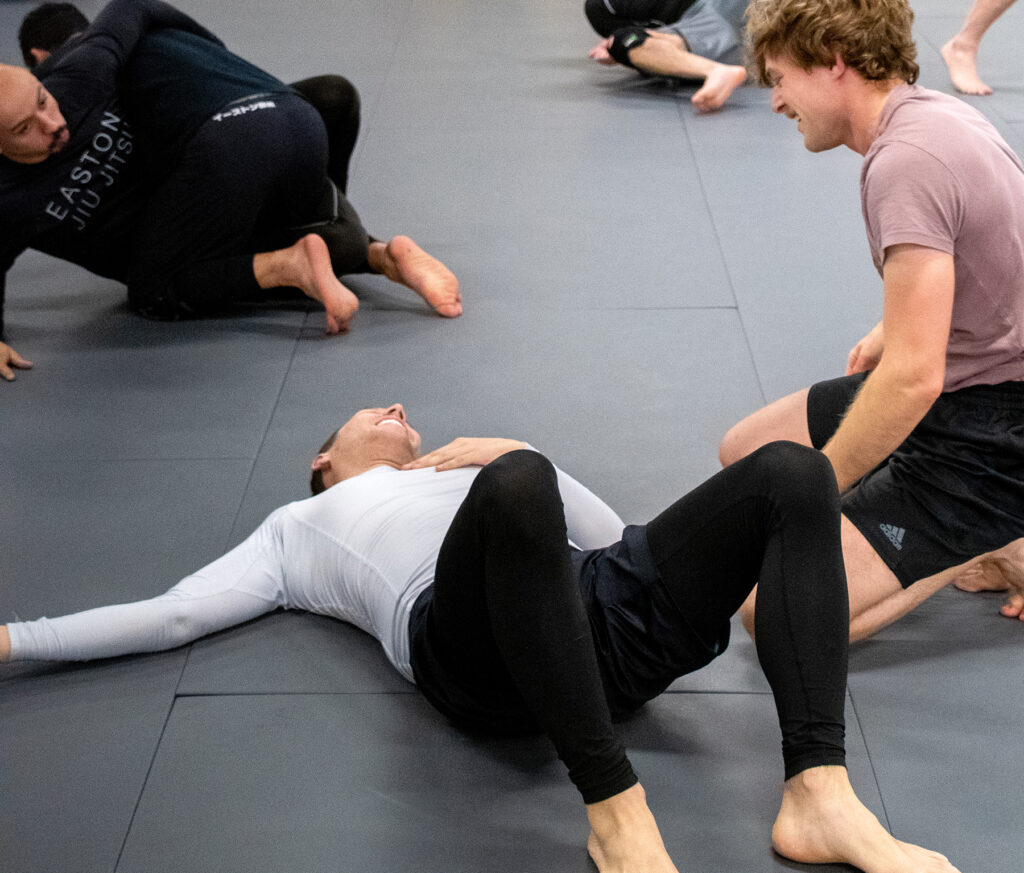
Emotions affect all of us
From a young age, we experience intense and often overwhelming emotions. Toddlers, without the vocabulary to communicate their emotions, have public tantrums as an outlet. Young children often fight over seemingly trivial things. Teenagers become snappy and irritated during an emotionally volatile period of life. As adults, we don’t gain immunity from emotional outbursts. We must work very hard to control our emotions and react appropriately.
When we feel an intense emotion, we sometimes don’t know what to do with it. When overwhelmed with anger, for example, we sometimes want a physical outlet. When feeling despair, we want to scream and cry until the emotion is purged from our bodies. While finding emotional outlets offers release, we don’t always have a healthy outlet immediately available.
We must learn to self-regulate our emotions so that we can handle any situation we find ourselves in.
Emotion and martial arts
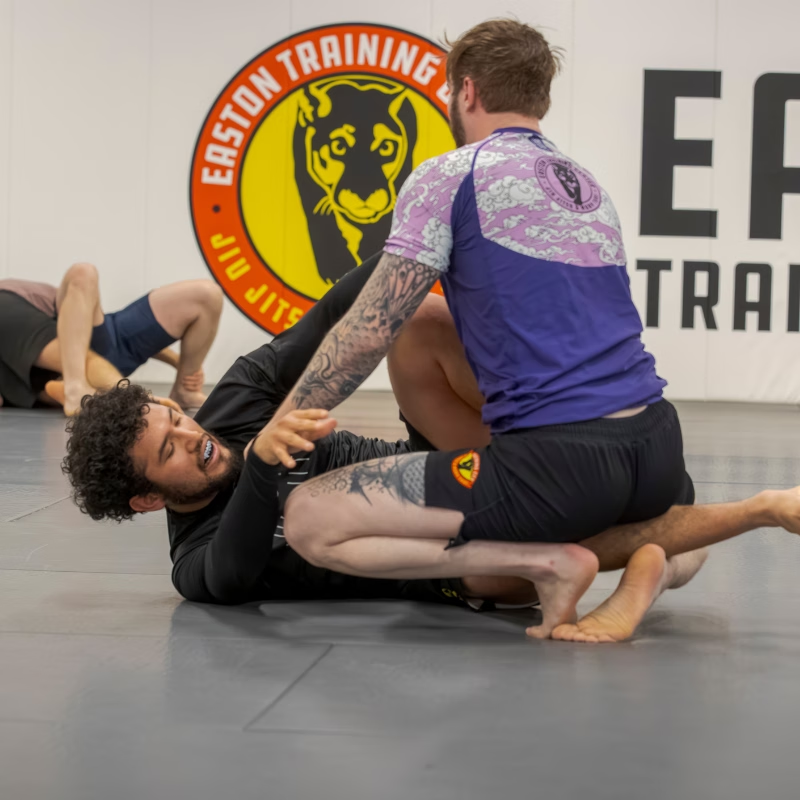
Practicing a martial art brings many emotions to the surface. Frustration arises when we repeat a technique over and over, but can’t seem to master it. Anger and disappointment arise when an opponent dominates us. Panic surges when we are being spammed with strikes and cannot find our footing. Emotion is deeply tied to what we do in the training room.
Every time we feel a strong emotion, we cannot forget and abandon all of our technique, becoming a mess of limbs. Just like any physical skill we must practice, we must practice remaining calm despite our surging emotions.
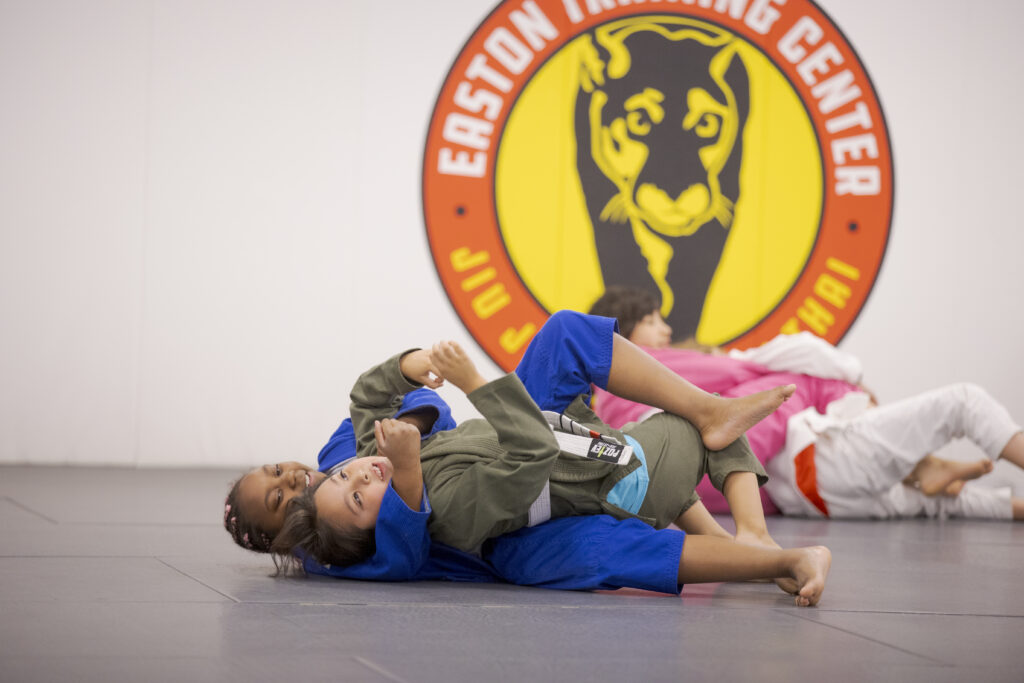
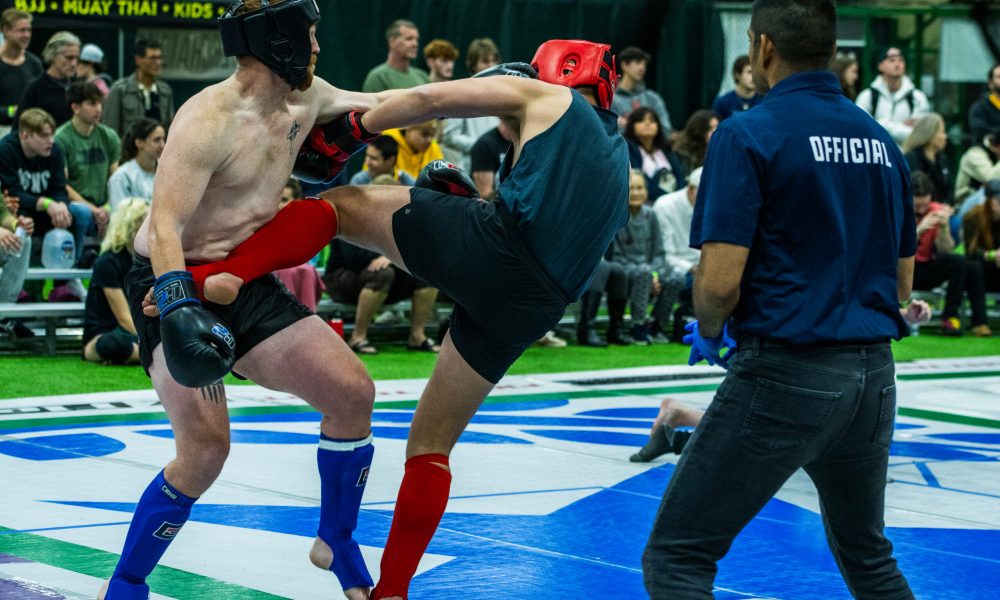
Engaging in drilling and live rounds on the mat is one of the best ways to learn emotional regulation. Working in a live setting provides unknown and unexpected stimuli. We cannot know exactly what a training partner might do. Panic, fear, anticipation and frustration all cloud our thoughts; giving in to panic during a sparring round is a sure way to take some nasty hits.
Exposing ourselves to this uncomfortable situation strengthens our emotional resiliency. The first time we spar, we likely will panic and seize up. The second time, we know what to expect but will still not perform well. By the third time, we know to focus on just one thing to not get overwhelmed. After a few months of this, we each have developed our own style and strengths we trust. Remaining consistent with these live rounds keeps our emotional skills sharp.
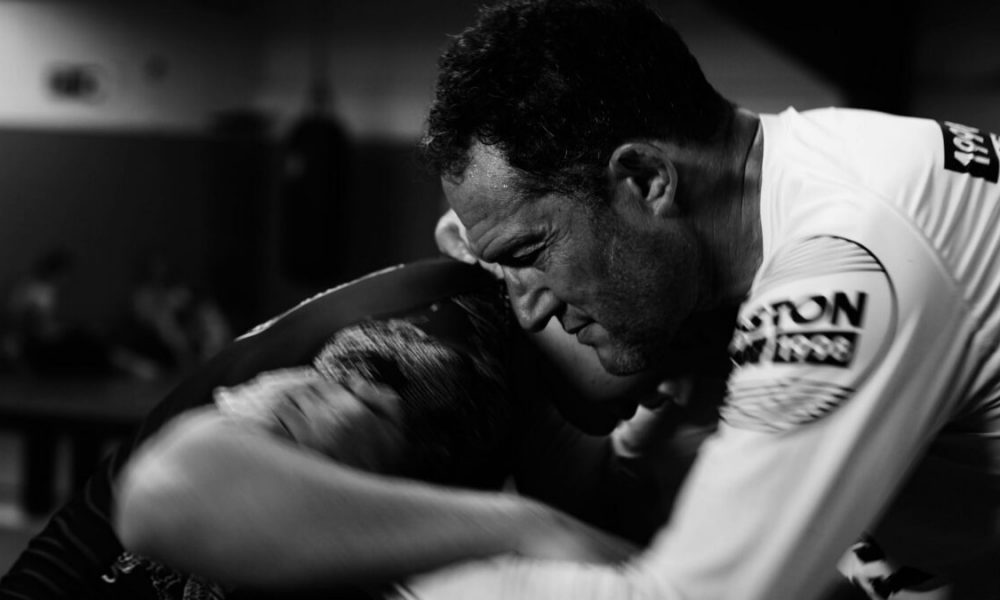
No one is immune from feeling intense emotions on the mat. Even the most experienced and seasoned athletes still have sessions bogged down by frustration and insecurity. The difference is these athletes have learned to stay calm and composed in the face of these emotions.
[Games of Resilience: BJJ x Chess]
Progress with emotional regulation
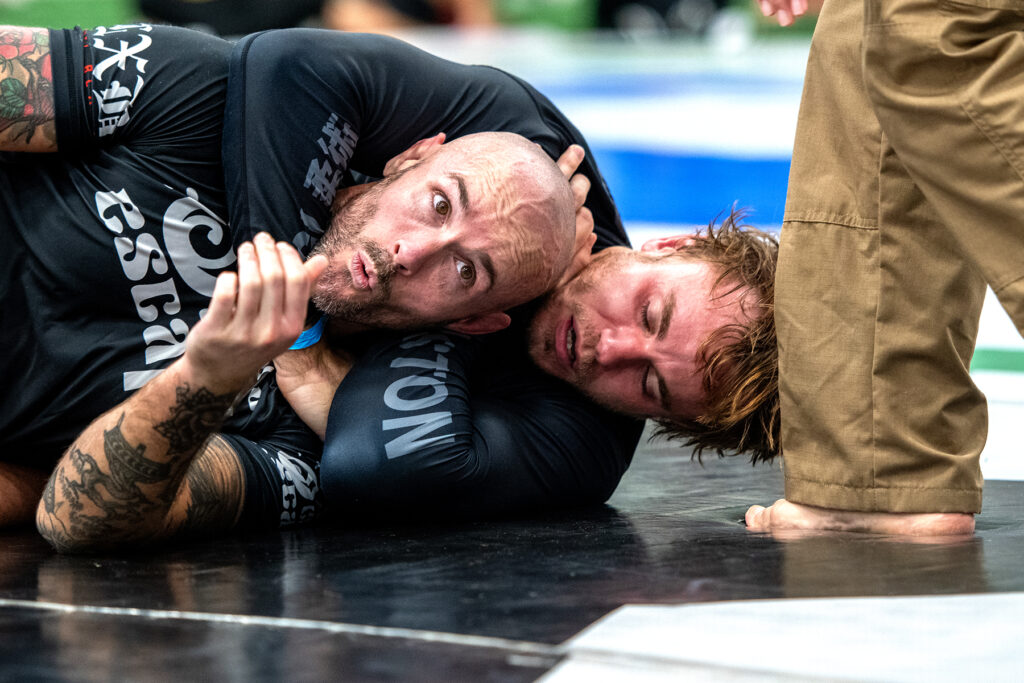
Emotional regulation not only keeps us clear headed, but also helps us make progress quickly on the mat.
When calm and composed, we can to self-assess our performance better. Letting go of frustration and self-anger sets us up for more success. We can be honest with ourselves about our strengths and weaknesses. Rather than feel disgust with how we executed a technique, we can recognize the ways to improve it. We can make quicker adjustments and learn more effectively.
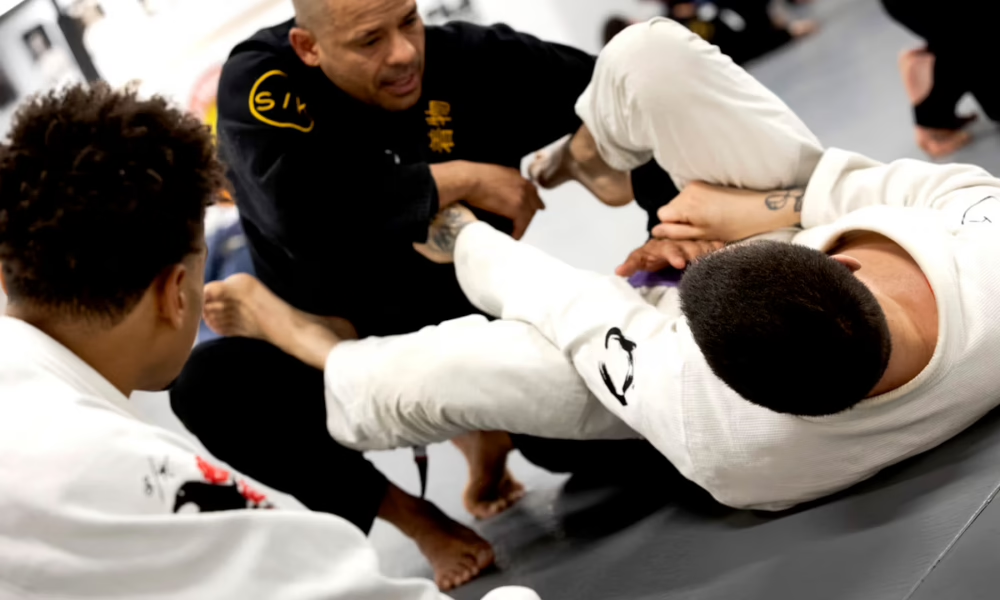
A good headspace also helps us stay more open to feedback from coaches and peers. Progress requires learning from those more experienced who can show us our weaknesses. If anger arose every time we failed in an exchange, we would never learn or improve.
This emotional regulation and resiliency translate into all other aspects of life. We all have lives independent of the training room — family, social and work obligations which introduce their own chaos into our lives. The practice we get under pressure on the mats can help keep us from getting overwhelmed when multiple stressors hit us at once. When we stay calm and problem-solve rationally, we find we can handle even the most stressful situations through the emotional resilience we develop on the mat.