
Training With Your Nervous System, Not Against It
Humans have an extraordinarily powerful nervous system. It comprises one of the greatest tools we can leverage to take control of our health and bodies, but we tend to overlook all that it does for us.
Made up of the brain, spinal cord and a vast network of nerves reaching from the top of the head down to the tip of the toes, the nervous system sends electrical signals to and from the brain. These signals dictate every function in our bodies: every heartbeat, every breath, and every step we take. The nervous system even interprets the stimuli our senses take in.
The nervous system impacts more than just our physical functions. It also controls our thoughts, memory, learning ability and emotional regulation. Our memories get stored in connections within our brains. When we spend more time learning a skill, the related connections in the brain become stronger. Hormones and chemicals responsible for emotions get released in quantities controlled by the brain. Our identities and how we experience life grow deeply tied to the performance of our nervous systems.
How the nervous system communicates with us
Our nervous system constantly communicates with us. We receive feedback through our emotions, thoughts and bodily sensations. Listening to our nervous system tells us whether our needs are being met.
Positive feedback
Pleasant emotions and sensations are the nervous system’s way of providing positive feedback. Dopamine is a hormone and neurotransmitter released during enjoyable and healthy activities like exercising.
On a hard day, we all feel better after visiting the academy for a solid training session. Dopamine acts as a reward system for participating in these activities. However, dopamine also serves a critical role in learning, memory and motor skills. Not only do we feel better, but our nervous system performs better.
Negative feedback
Pain is a universal experience. We’ve all bumped our heads or stubbed a toe. When sustaining injuries, no matter how minor, we feel an unpleasant sensation. Sometimes it burns, other times it can feel sharp. Our nervous system uses pain to tell our brains something is wrong. Without pain, wounds would go unaddressed, potentially developing into life-threatening issues.
Our body also expresses pain psychologically. Overstimulation of our senses leaves the nervous system confused and unsure how to process all the input. Anxiety, depression or overwhelm also become ways the nervous system alerts us of imbalance. High stress, mental fog and low energy are all symptoms of low dopamine levels as well. When our nervous system performs poorly, we feel it.
[Using Small Wins to Combat Negative Self Talk]
Working with your nervous system
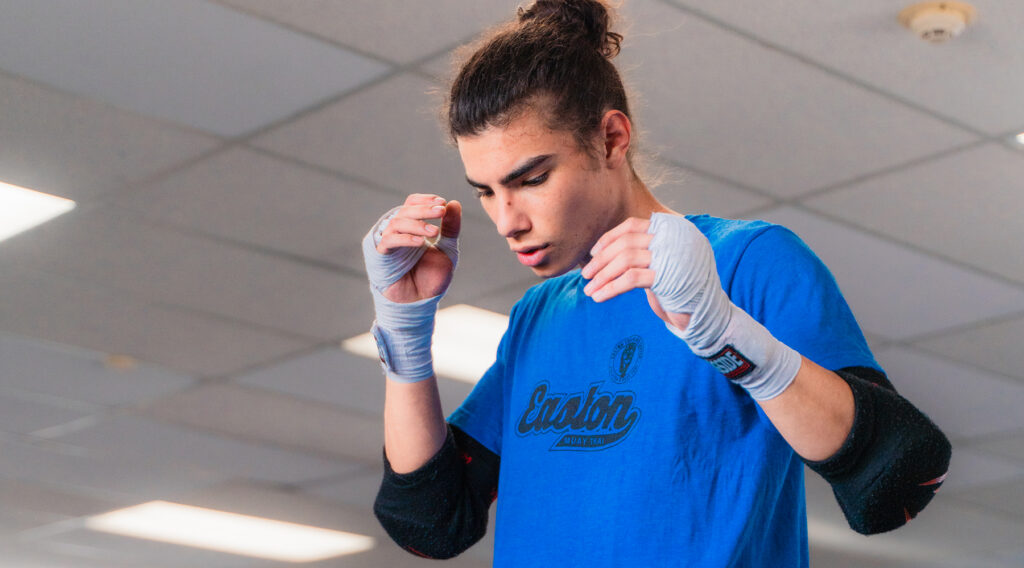
Just like we train our minds and bodies on the mat, we can train and strengthen our nervous system’s resiliency.
The best thing to do for our nervous system is to take care of it. Prioritizing quality sleep goes a long way for our nervous system’s health. Time spent sleeping is time when neural connections are strengthened and repaired. Keeping a regular sleep schedule allows our bodies to fall into a cycle our nervous system can maintain.
Maintaining a balanced diet provides our bodies with the building blocks to build and maintain a healthy nervous system. Our brains require carbohydrates for performance, and complex carbs found in whole grains and vegetables provide consistent energy. Simple carbs, like sugars present in fruit and honey, provide a quick spike of energy to the brain.
Vitamins in the B family support nerve regeneration, energy production in nerves, and protective nerve shielding. Omega-3 fatty acids reduce inflammation around nerves and repair damaged nerves. Finding a balanced diet that supports our nervous system’s needs helps regulate its performance.
Spending time outside of our comfort zone benefits the nervous system as well. We have all experienced the fight-or-flight sensation at least once in our lives. The amygdala, the part of our brain responsible for identifying danger and producing fear, often registers new experiences as danger. When trying something for the first time, like technical sparring, our brain tells us to enter into a heightened state of anxiety.
Even when logic tells us we’re not in danger, we may still feel the stress. Rather than turn away from new challenges, we can pace ourselves by introducing smaller challenges and building on them. It would not make sense to sign up for a professional fight without first training in sparring and participating in amateur fights. Identifying stepping stones to push us out of our comfort zone expands those zones, reducing the likelihood of anxiety and discomfort when trying something new.
[Improve at Any Age with Better Sleep, Diet and Stretching]
Practicing peace and resilience
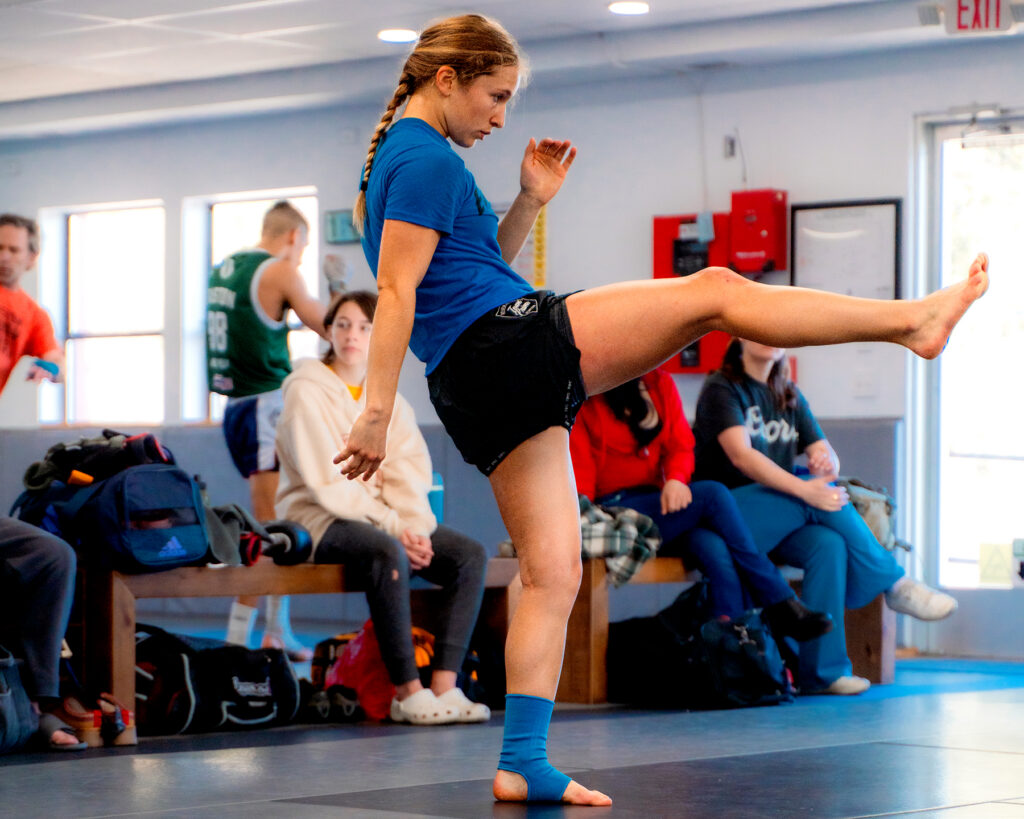
This aligns with our lived experiences on the mat. Live drilling and sparring are inherently uncomfortable. When working with partners, we have to anticipate their next move. We receive more stimulus than with other, more predictable activities, like going for a jog or reading a book. Our nervous system has to work in overdrive to respond quickly to perceived dangers.
However, the more hours we spend in these situations, the easier they get. We may start our sparring journey on the defensive, only throwing a handful of strikes in a round. However, as we develop, we become more offensive, finding openings to take. As our nervous system becomes more resilient to the stimulus, we find we have less fear.
Not all growth has to happen in uncomfortable environments. Fear originates as a protective mechanism in our human evolution. Denying and avoiding discomfort consumes mental energy with little to no payoff. We should accept that we will feel uncomfortable, nervous, or afraid at times, and take action to prepare for it.
Practicing deep breathing exercises at the start or end of every day builds muscle memory as a calming activity. When we find ourselves feeling anxiety, our bodies will have a well-practiced tool to calm ourselves and clear our minds. When we have a planned activity known to cause stress, visualization of the activity beforehand prepares our minds to deal with it. For example, visualizing a sparring round the night before a long training session, focusing on what we want to work on, helps prevent feelings of fight or flight.
Participating in activities we enjoy, such as baking or crafting, releases stress-reducing hormones like dopamine. Taking time and prioritizing things we enjoy helps our nervous system stay in balance.
The nervous system can be molded and trained to best serve us. We do not have to let it get in our way, but rather work with it to grow into the version of ourselves we wish to become.