
From Battlefields to the Mats: Strategies for Jiu Jitsu
About 6 years ago, when I was an early blue belt, I remember walking in to see my old coach, John Combs, on his laptop studying videos on real-world military strategy — flanking maneuvers, terrain control, and how armies dictate engagements.
At first, I was confused, as it seemed unrelated to Jiu Jitsu (honestly, I thought he was playing a video game.) But when he told me he was using it as a tool to understand strategy for an upcoming tournament at Black Belt, I started to see how there could be a connection.
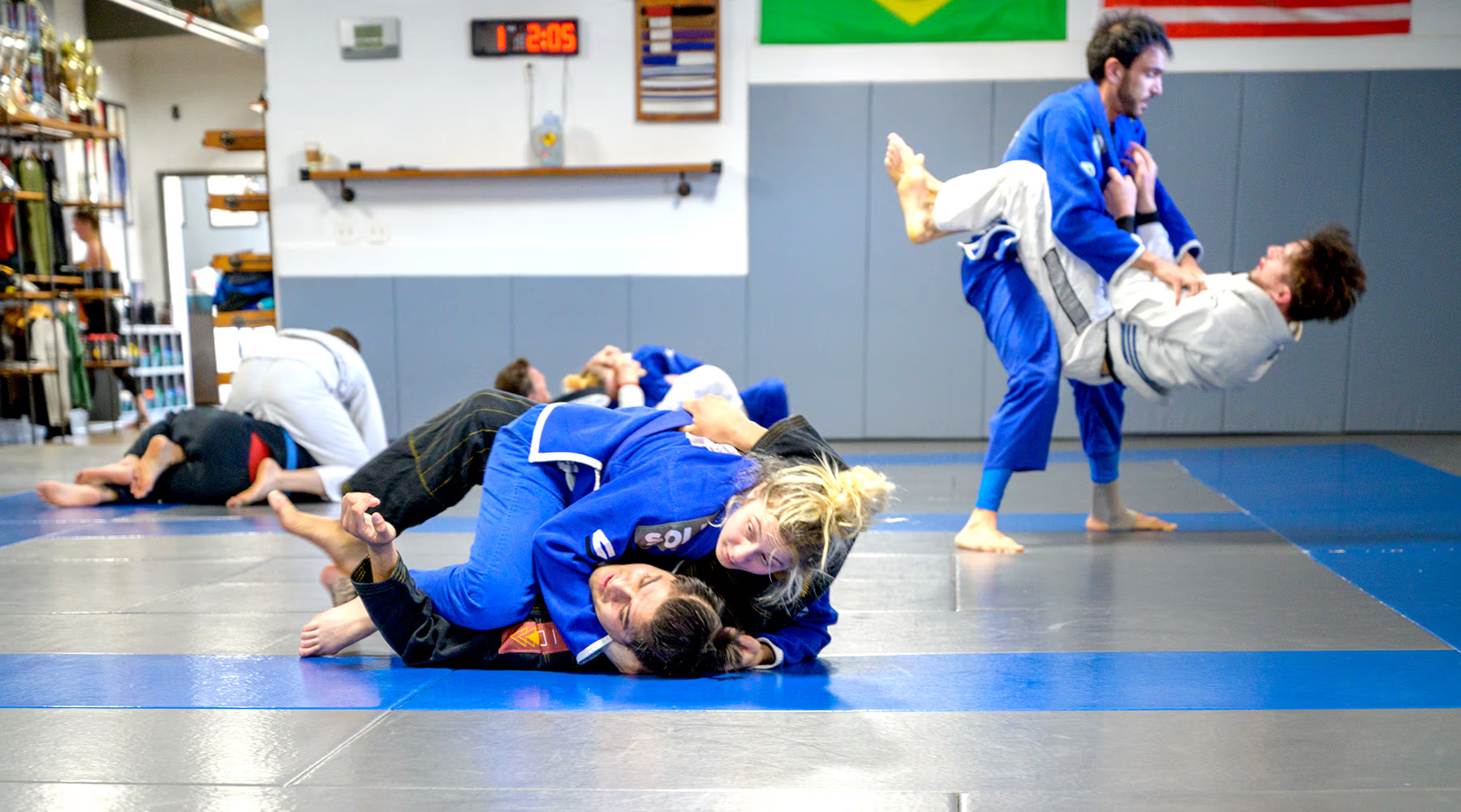
Brazilian Jiu Jitsu might seem, at first, like just a collection of techniques and two practitioners fighting to catch the other in a submission — and it is. But when you start to compete at a higher level, where everyone knows the same submission set-ups and sweeps, it’s going to take strategy to set you apart. Much like actual combat, Jiu Jitsu presents a battle for position, leverage, and territory. We’re constantly fighting to gain advantages while denying those advantages to our opponents.
Later, I saw a video of famous BJJ competitor Keenan Cornelius breaking down BJJ in a similar way — comparing guard passing and positional sequences to battlefield tactics. Not as a gimmick, but as a lens for understanding how strategy shapes technique and lets us gain the upper hand on our opponent.
That’s when it clicked: high-level grapplers don’t just throw random sweeps and submissions out there and hope they work. They fight for strategic advantages. This mindset shifts your entire approach to competition. Instead of hoping techniques work, you intentionally shape the match and remove your opponent’s defensive options from the very first exchange of grips.
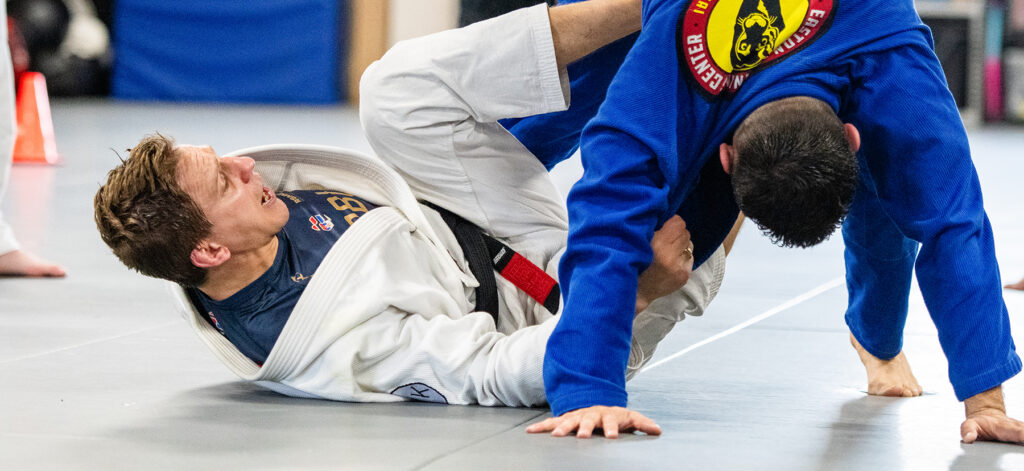
Understanding these strategies is essential for anyone looking to excel in Jiu Jitsu:
Win the first grip exchange
Initiative equals momentum. In military strategy, “seizing the initiative” means dictating the tempo. The same is true in BJJ.
Winning the first grip exchange does several things. It establishes the angles you want, controls the rhythm of the match and guides the fight toward your A-game sequences. It forces your opponent to react instead of attack.
Your initial goal in a match isn’t to score. It’s to control the very first decision point. That small advantage often sets the tone for the next minute of action.
[5 [Seemingly Small] Things to Up Your BJJ Game]
Use angles: don’t fight head-on
This is where battlefield tactics start to feel eerily similar to BJJ. Lower-level competitors tend to attack directly into their opponent’s strongest structures. Higher-level competitors rarely do.
Instead, they create angles — a grappling version of flanking.
Examples of angle-based tactics:
- Passing with torreandos into North/South, leg drags, or quick X-passes
- Getting an opponents hands to the mat with collar drags or coming up behind them with arm drags from the bottom position or “guard”
- When wrestling using things like duck-unders, a slide by, or Russian ties
Angle beats strength. Angle beats speed. Angle beats using strength vs strength. When you move with intention, you’re not fighting the opponent by going head to head, driving into their strongest points — you’re outmaneuvering them.
[Training for Competition: A Breakdown]
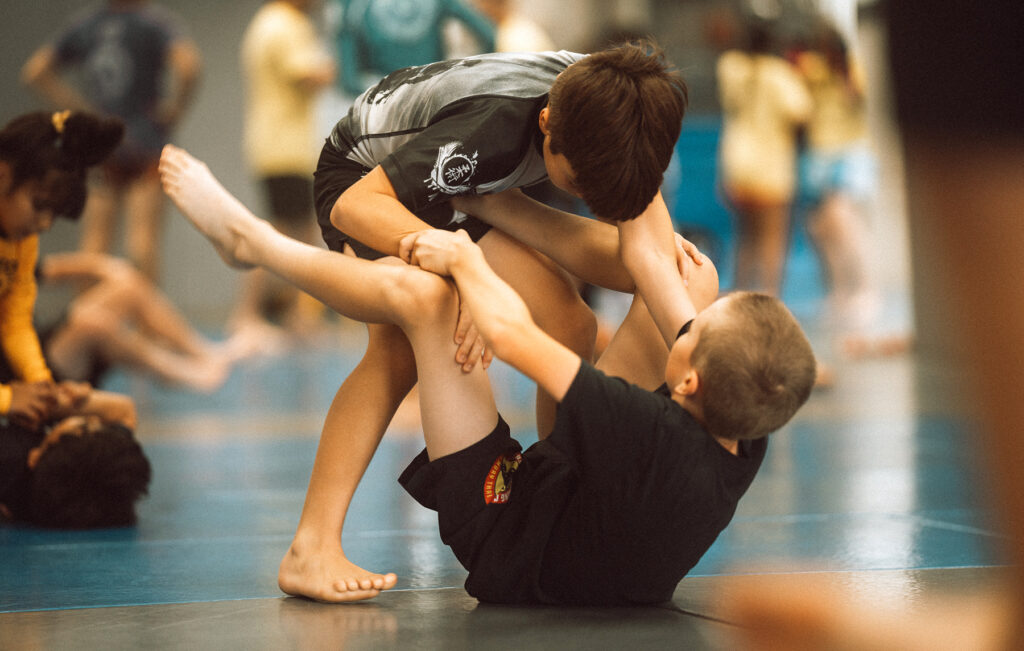
Control territory: build and keep strong positions
Just like an army fortifies key areas of the battlefield, you want to secure positions that give you disproportionate advantages.
In BJJ, this can mean positioning yourself past your opponent’s feet when passing, taking control of the center of the mat space, or securing underhooks from bottom or top positions. It can also mean using dominant sleeve or collar control to control the grips or break your opponent’s posture.
The mistake many competitors make is getting to a strong position and immediately rushing to the next step. Instead, take a moment to secure it.
A simple formula:
Take ground → Stabilize → Advance
This slows the match down and starts to, inch by inch, tip the odds in your favor, eliminating unnecessary scrambles.
[Finding Balance: Technique Over Intensity in Martial Arts]
Force predictable reactions (the power of tactical traps)
Great strategists like Gordon Ryan or Andre Galvao especially don’t wait to see what the opponent will do. They create scenarios where the opponent has only a few predictable responses.
Here are a few moves and the opportunities they create in BJJ:
- Passing pressure forces frames that open leg drag or underhook opportunities
- Underhook half guard forces a whizzer, setting up the dogfight from bottom and leads to sweeps or back takes
- Closed guard collar grips force aggressive over posturing, opening the hip bump sweep – leading to posting on the mat, which opens up submission chains
Matches feel less random when you understand how to funnel opponents into reactions you’ve already prepared for.

Conserve energy through controlled exchanges
Competing well isn’t just about having good cardio. It’s about using your gas tank intelligently and forcing your opponent to burn their resources (or energy) faster than you are.
Elite competitors have honed and expanded their skill sets to include the following tools to improve their performance:
- Explode only during decisive moments to advance position
- Slow the match when controlling grips or positions
- Force the opponent to carry their weight for long periods of time
- Control grips longer than their opponent expects them to making them have to constantly readjust causing them to (you guessed it) burn more energy
- Manage their breathing early
- Scramble only when the outcome is high reward
You don’t need to win every exchange — just the ones that can decisively change the match.
Build a campaign plan, not just a game plan
A game plan is one path. A campaign plan is an entire system for every reaction.
Ideally, your campaign plan should include: your preferred openings, your A-game routes and your backup options. You should also prepare for score and clock management, adjustments for different opponent styles, and of course, a plan for what you do when you’re ahead, behind or tired.
When you plan this way, the match becomes structured rather than chaotic and full of scrambles, which can exhaust you. You always know your next step and can see several moves ahead.
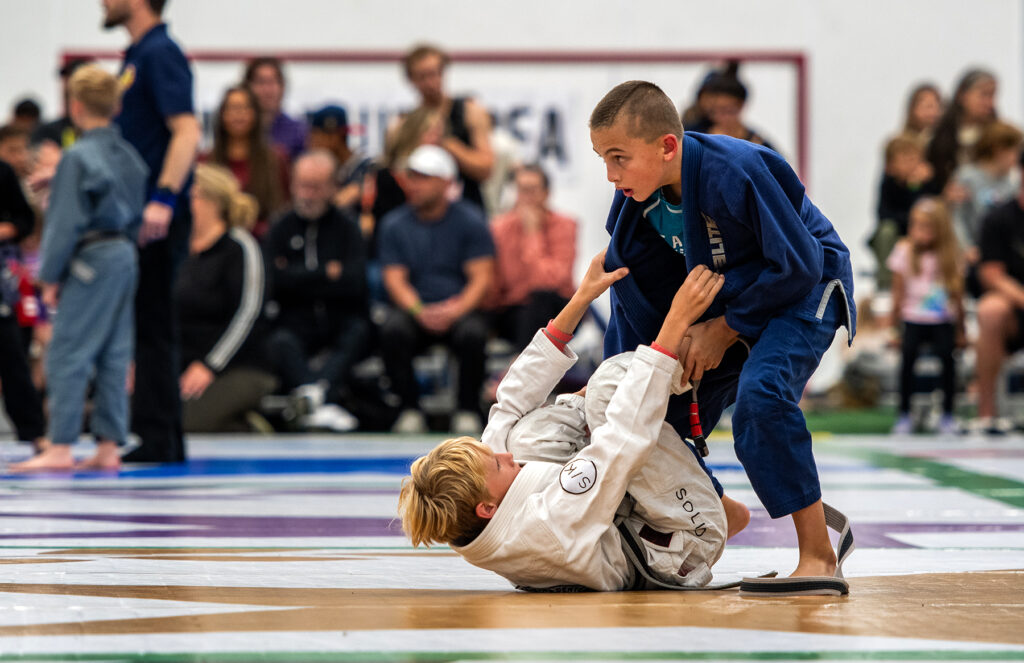
Strategy: when technique isn’t enough
All of us since white belt have came up training the same moves. We’ve all drilled the same set ups and know all the same tricks. But the real difference-maker in competition often comes down to tactical thinking.
Watching John Combs study war strategy years ago reshaped how I saw grappling. Seeing Keenan Cornelius echo those same ideas confirmed it: the highest-level competitors we see winning over and over again think like strategists.
BJJ isn’t just a fight. It’s controlled problem-solving under pressure. When technique isn’t enough, strategy wins.
Approach your next tournament like a tactician, not just a technician, and the match will start to feel slower, more predictable and more winnable.
Train hard. Study strategy. And treat competition like the chessboard it truly is.