The Making of the EASTON Documentary
For those who don’t spend much time with him, Professor Amal Easton can seem like a bright but distant star. His name is on buildings and mats and heavy bags and maybe even your car. He’s a bit of a celebrity, albeit of a very down-to-earth, Boulder variety.
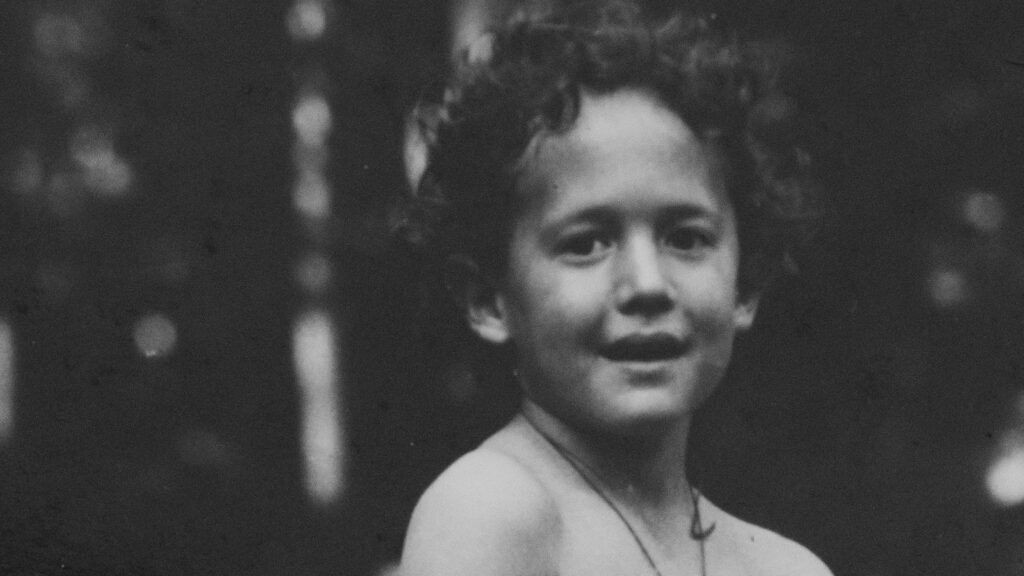
But within the community that he founded, the fame and the awe that he inspires sometimes obscure the other parts of Amal. The fact that behind this little martial arts empire, there’s a kid who grew up in a home with a dirt floor in New Mexico, a young man who shipped himself off to Brazil in the ’90s with some gis and a dream and a well-rounded outdoorsman who’s just as comfortable on skis, a kayak or a dirt bike as he is on the mats.
A film about origins
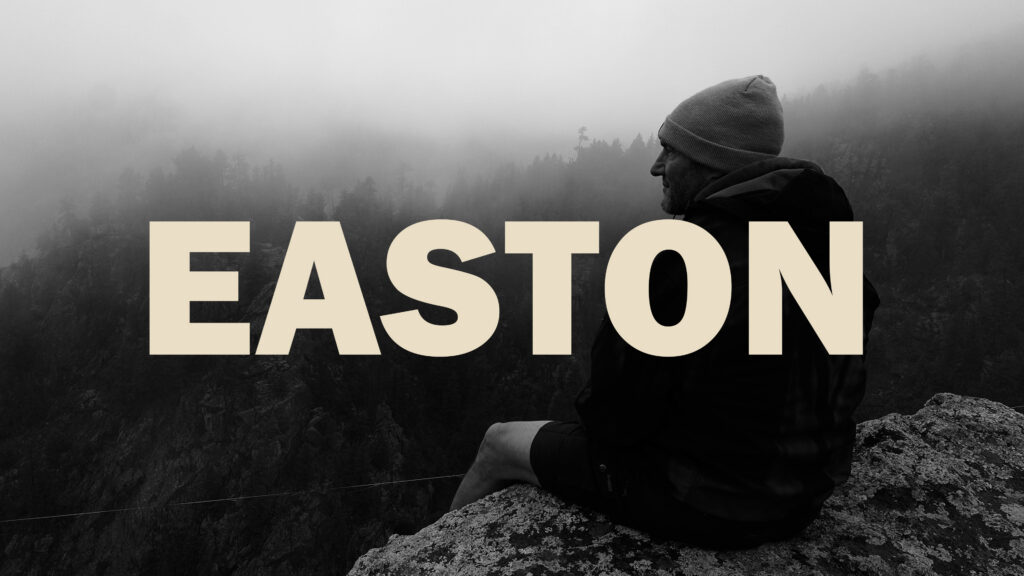
In EASTON, the new documentary out this year, filmmaker Bruce Grossman connects the dots.
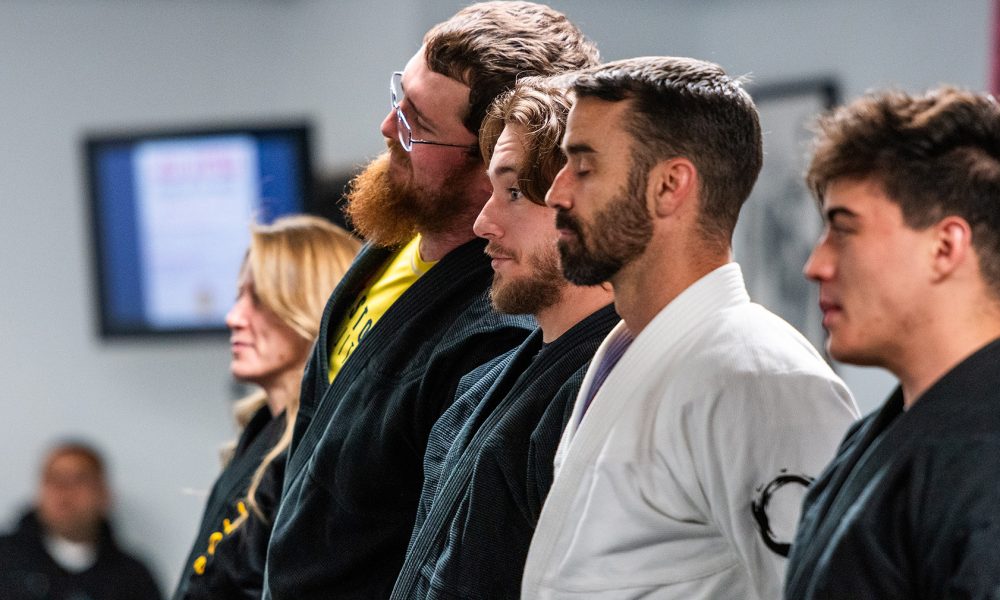
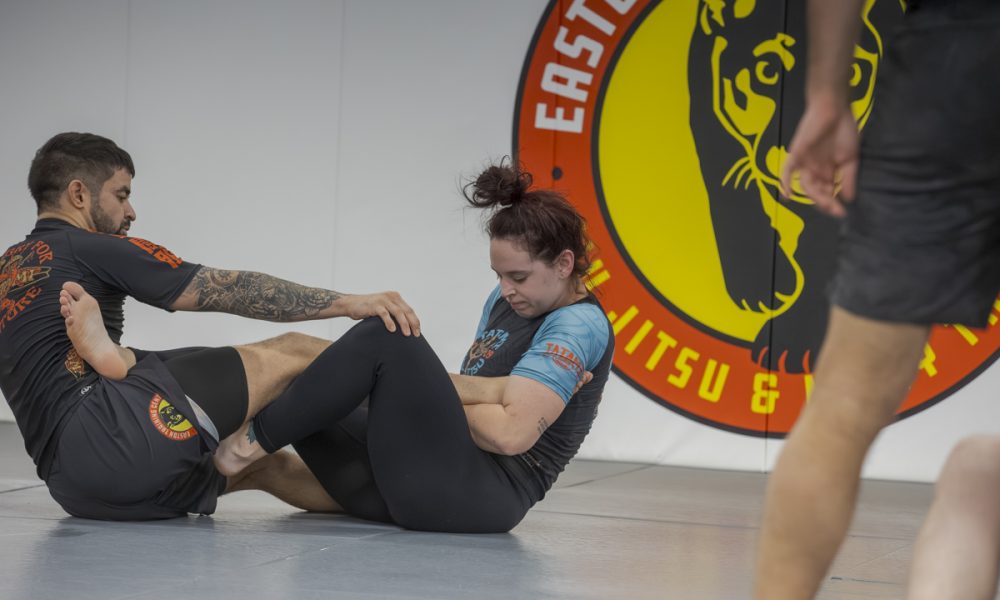
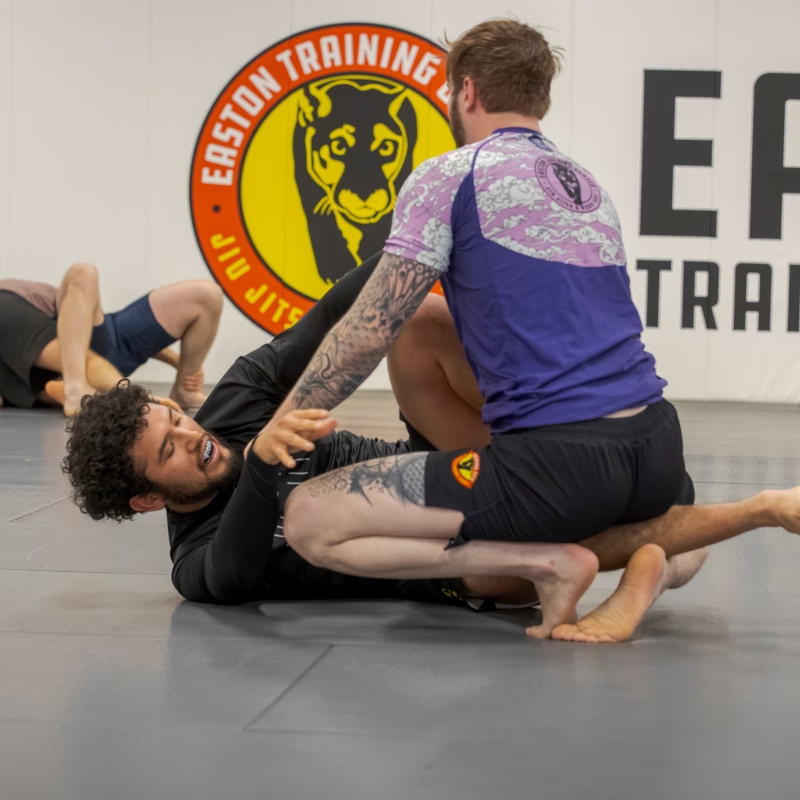
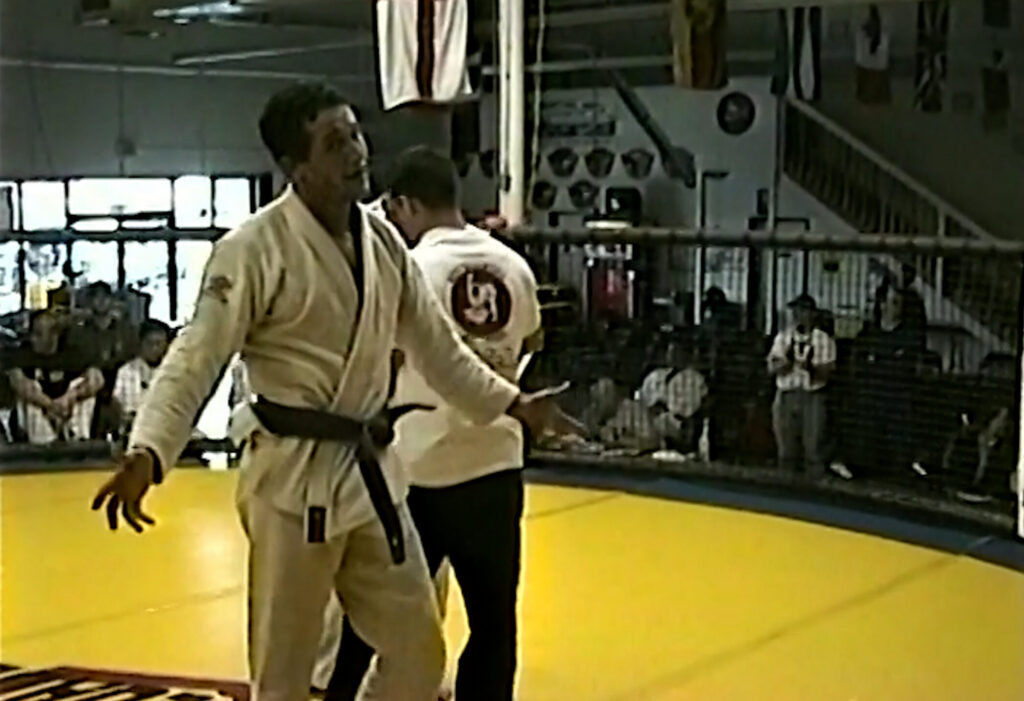
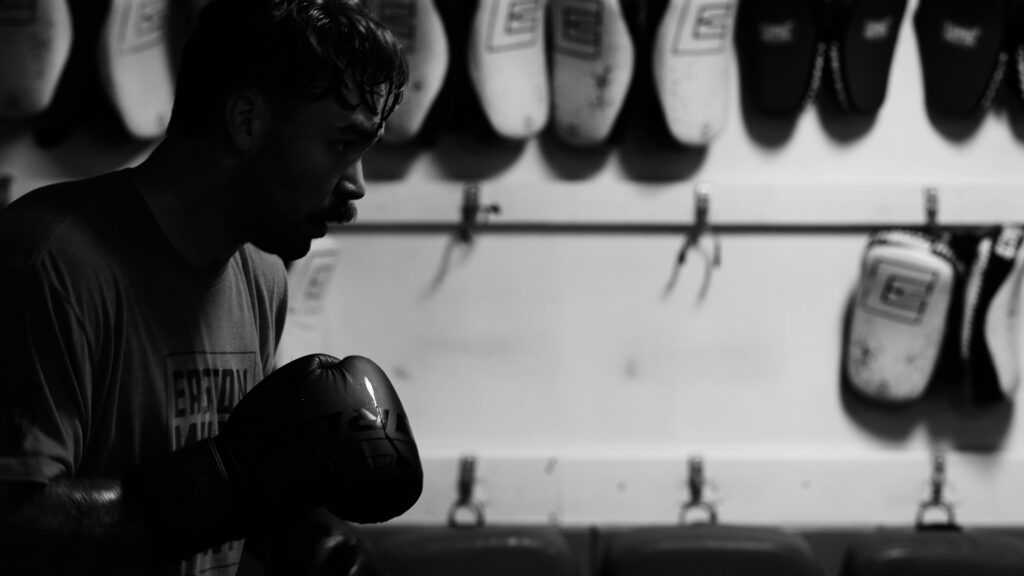
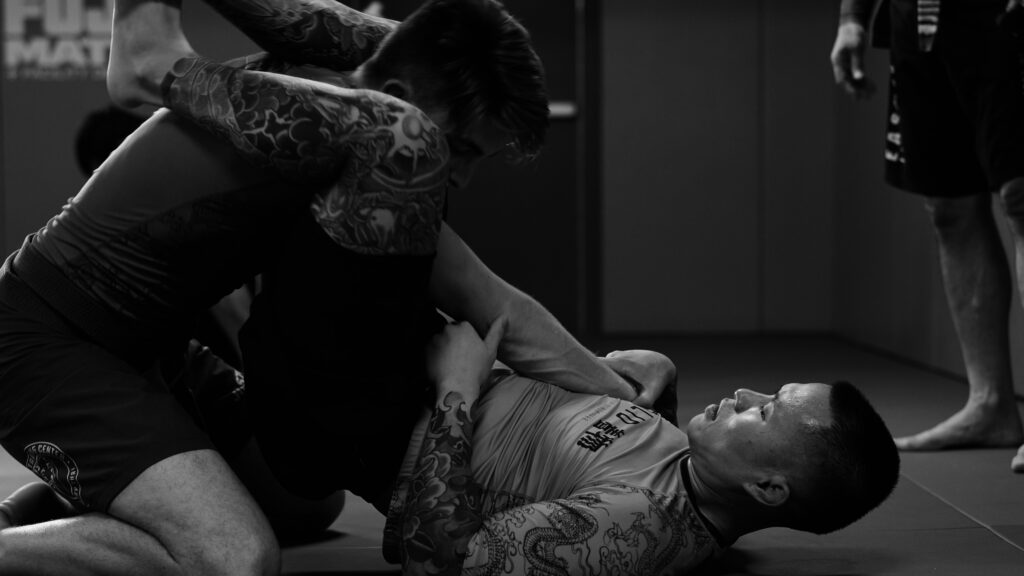
The film is an interplay between past and present. It features crisp, black and white footage of students on the mats in the present-day Easton Training Center and Amal’s first-person accounts of his own origin story intertwined with the history and culture of Brazilian Jiu Jitsu.
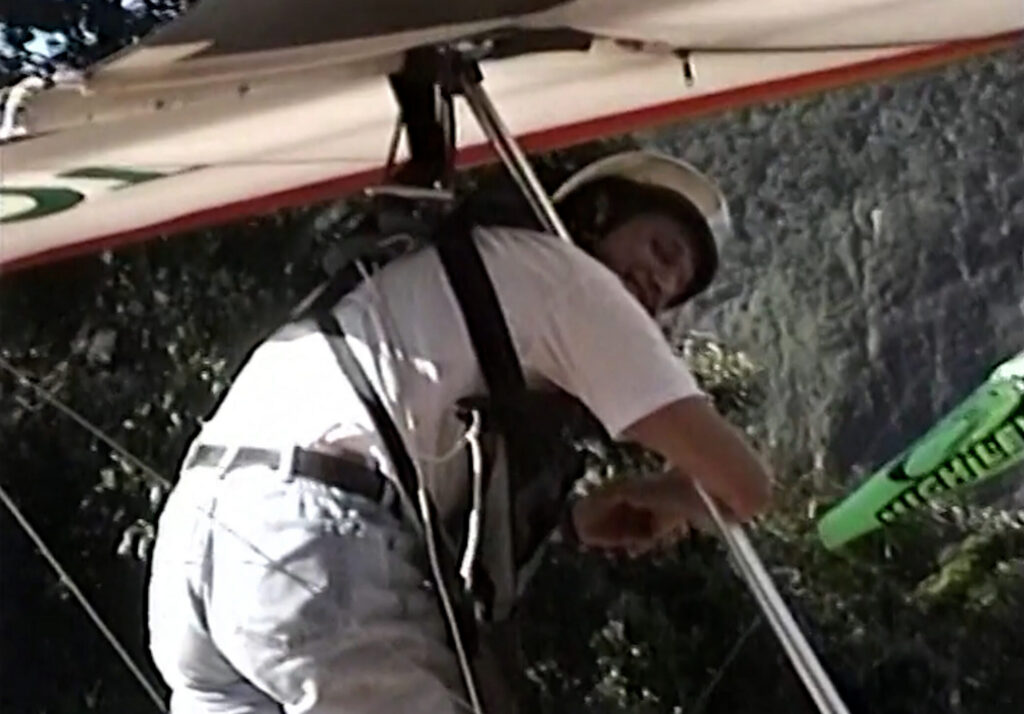
Bruce also includes a treasure trove of Amal’s home movies, spanning from his time living, training and competing in Brazil in the ’90s to the early days of the first Easton academy in Boulder.
Bruce’s life at Easton Training Center
Bruce is no stranger to the world of Jiu Jitsu and Muay Thai. Though he recently moved back to New York, he was a long-time Easton member, training on both sides of the mat.
In fact, his time at Easton became the impetus for Bruce to step into his identity as a filmmaker. He arrived in Boulder with a background in English literature and teaching, but he’d always been interested in art, and he worked as a photographer and visual artist while living in Colorado.
With his photography background, he began producing social media content for the Boulder academy, and eventually started to make video content. He created short films highlighting fighters and recapping big events.
One of Bruce’s belt promotion event videos caught Amal’s attention, and he reached out to Bruce to extend his compliments, planting the seed for their future work together.
Creative growth and vision
As Bruce grew as a filmmaker, he expanded into what would become his forte and his passion: carefully documenting distinct, often edgy, subcultures. A visit to Bruce’s YouTube channel reveals a wide cast of fascinating characters, from tattoo artists to train hoppers, graphic novelists to sideshow stars, each sharing the details of their own little pocket of society.
Much of his work features the same stark, black and white style that he used for the EASTON film. Bruce cites the work of New York portrait photographers Diane Arbus and Robert Mapplethorpe as some of his major artistic influences. He loves the power of monochrome filmmaking to strip away distractions and “focus on the grit of things.”
Amal Easton as a subject
For Bruce, working with Amal to bring the EASTON documentary to life was a way to bring everything full circle. It was the end of his time in Colorado, and he wanted to highlight the Easton subculture that was such a big part of that phase of his life.
Amal was an appealing subject because of his unique gravity. “He’s done so much to help so many people,” says Bruce. “I just noticed when he was around, everything changed.”
For Bruce, it was important to create a deeply layered, multi-faceted portrait of Amal. “I wanted to show who he was as a person, too,” he says, “because I feel like a lot of people know him on this Jiu Jitsu level. They may not know what it was like for him to actually reach these heights. So, that was a big part of it; showing that journey.”
In the documentary, his anchoring themes were travel, outdoors, culture and experiences. He sought to hit all of those notes, using a blend of new footage and content from Amal’s personal archive, while still maintaining the focus on the academy and martial arts.
Amal the storyteller
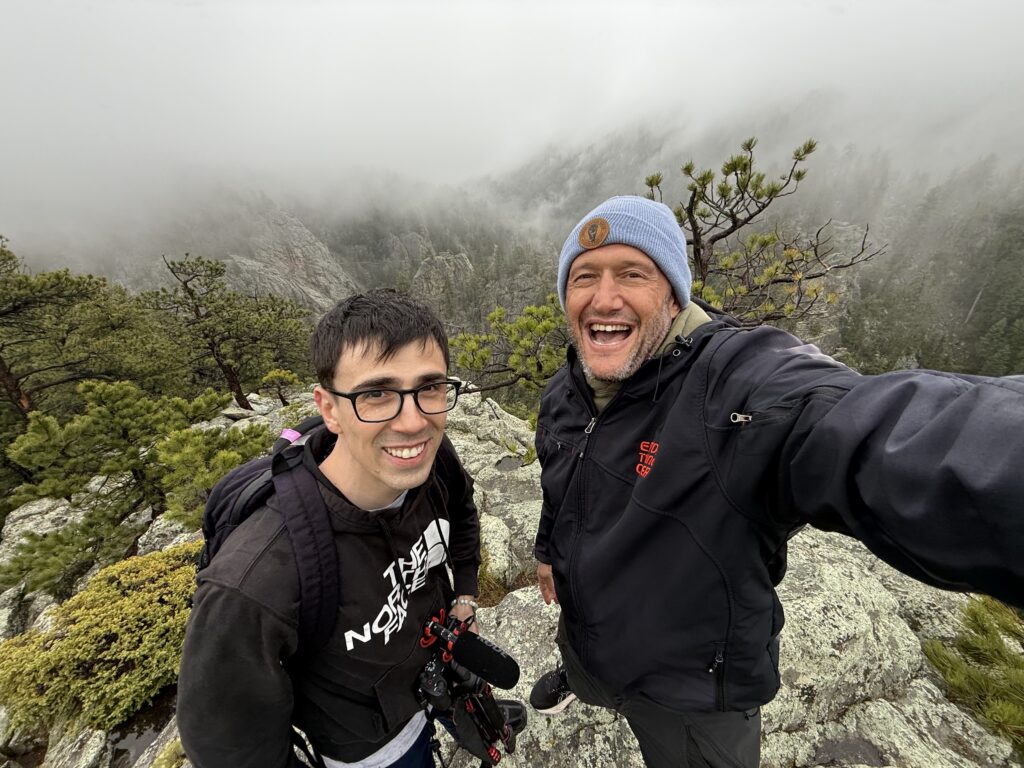
Before working on the documentary, Bruce, like many, knew Amal mostly in the student-professor capacity. He wasn’t sure what to expect from working with him in a film production capacity, and didn’t know how he’d do in long-form interviews.
He was pleasantly surprised. “Oh wow,” Bruce remembers thinking. “He’s a hell of a storyteller. He’s so captivating and he’s so charismatic, and that is the recipe for a compelling piece.”
Bruce also says that Amal was “one of the easiest people I’ve ever worked with. [He] had full trust in what I was doing.”
On trusting someone else with your story
Amal, for his part, echoes Bruce’s sentiments about the ease of working together. “Bruce is very easy to talk to,” he remarks. “He asks wonderful questions.”
For years, friends have told Amal that he should write a memoir. His unique approach to life, unconventional choices and wild experiences over the years would make for a fascinating read.
But without a clear, compelling vision for a specific book, he’s not ready. He doesn’t want to write something mediocre.
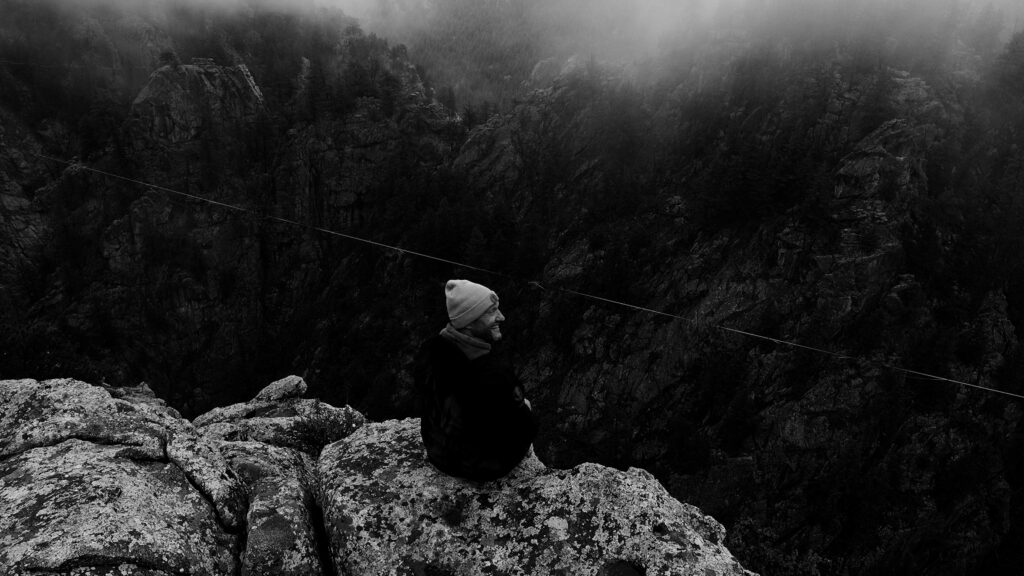
Working with Bruce was a way to begin to tell his story. He says that initially it’s scary to give another person that kind of control of your life story, but he trusted Bruce to do it well.
“I appreciate Bruce’s work and I like his vision,” Amal says. “The stuff he makes has a cool, creative vibe to it. “
He also enjoyed diving into his own archive of mementos and stories. It brought up so many treasured memories. He was grateful to be able to hand Bruce a rich but disorganized blend of footage, photos, stories and reflections, and for Bruce to shape it into a cohesive storyline.
Jiu Jitsu’s scrappy origins
In the documentary, there’s a stark contrast between the gritty, “Wild West” of ’90s Jiu Jitsu culture in Brazil and the elegant spaces and orderly classes of present-day Easton Training Center.
“In the mid-to-late ’90s,” Amal recalls, “Brazilian Jiu Jitsu was looked down upon in Brazil. It was not a cool thing.” Long-standing conflicts between Jiu Jitsu schools produced violence that bled out into daily life. The sport often attracted an aggressive type of person who went out looking for fights.
Though he’d spent a lot of time in the Muay Thai and Jiu Jitsu scene prior to moving to Brazil in his 20s, the Jiu Jitsu subculture he found there was still a bit jarring. But he processed it all through the filter of his own experiences and upbringing.
Amal grew up with hippie parents in a kind of commune in New Mexico, where traditional values of living in harmony with others and the land prevailed. (He would like to correct, for the record, a part in the documentary where he misspoke. He said that his mother, Betsy, didn’t graduate from college. She did.)
As a kid, he watched uncounted hours of martial arts movies with heavy moral undertones. So despite the intense, violent subculture he dropped himself into in order to chase his passion, Amal already had strong ideas about right and wrong and how he wanted to move through the world.
[Real World Conflict: Self-Control, Responsibility, Confrontation ft. Amal Easton]
A new vision for the sport
In the years since, Brazilian Jiu Jitsu culture has evolved, partly due to a movement in Brazil to clean up its image. Trailblazers like Amal also created new spaces and contexts.
Amal acknowledges that the reputation of modern Jiu Jitsu was “built on the backs of people that had to prove it and fight.” However, from early on, he also knew that he wanted to create a community that filtered out the unnecessary hostility.
He also appreciates the inclusivity that’s always been baked into the culture, and that’s something he continues to value Easton Training Center. As the community continues to grow, his goal is to maintain a healthy balance between playfulness and rigor.
[How to Grow a Culture Through Leadership]
Impact of the film
In the months since the film’s initial release, Amal has received messages of support and appreciation from all corners of his life. From old friends featured in his Brazil-era home movies to current members of Easton Training Center, the response has been incredibly positive. Many reached out to tell him about the impact the Easton Training Center community has had on their lives.
Being the subject of a documentary has also piqued Amal’s curiosity about other people. Sharing little-known details of his own story made him think about all the details he doesn’t yet know about the lives of others in the Easton community.
It’s that kind of curiosity that led him to where he is today. “What it comes down to is just finding your passion and chasing it,” Amal says. “So, be curious, you know? Check out different stuff. And look, it might not work out… but it’s going to be more fun being curious and failing than not being curious and living a mundane life.”
How to follow Bruce Grossman
Watch EASTON on YouTube.
Today, Bruce is back in his native New York, still making artistic films that open the door to entire little worlds. His latest piece, The Pink Velvet Witch, won Best Documentary Feature at the Coney Island Film Festival.
You can keep up with his latest work on Instagram and YouTube.