
Breathing Under Pressure
Just like everything else on this planet, we rely heavily on the four elements that sustain life: water, earth, fire and air. Breathing air comes to us as second nature and remains fundamentally crucial for survival. Every mammal must master the art of breathwork in one way or another.
Many martial arts schools emphasize body conditioning, but unfortunately, instructors rarely teach students the art of breathing. This gap may exist because breathing seems redundant or monumentally basic, but roadwork offers a perfect example of why it matters. When people go for a run, breathing often determines whether they finish a mile or stall after a quarter mile. Athletes who regulate their breathing recoverfaster, go longer, and ultimately perform better.
The same principle applies when lifting weights, although added danger changes the stakes. Holding your breath during a bench press can cause lightheadedness and even fainting, which increases the risk of injury when heavy equipment enters the picture. That’s why breathwork matters during every form of conditioning.
Tapping into your breath
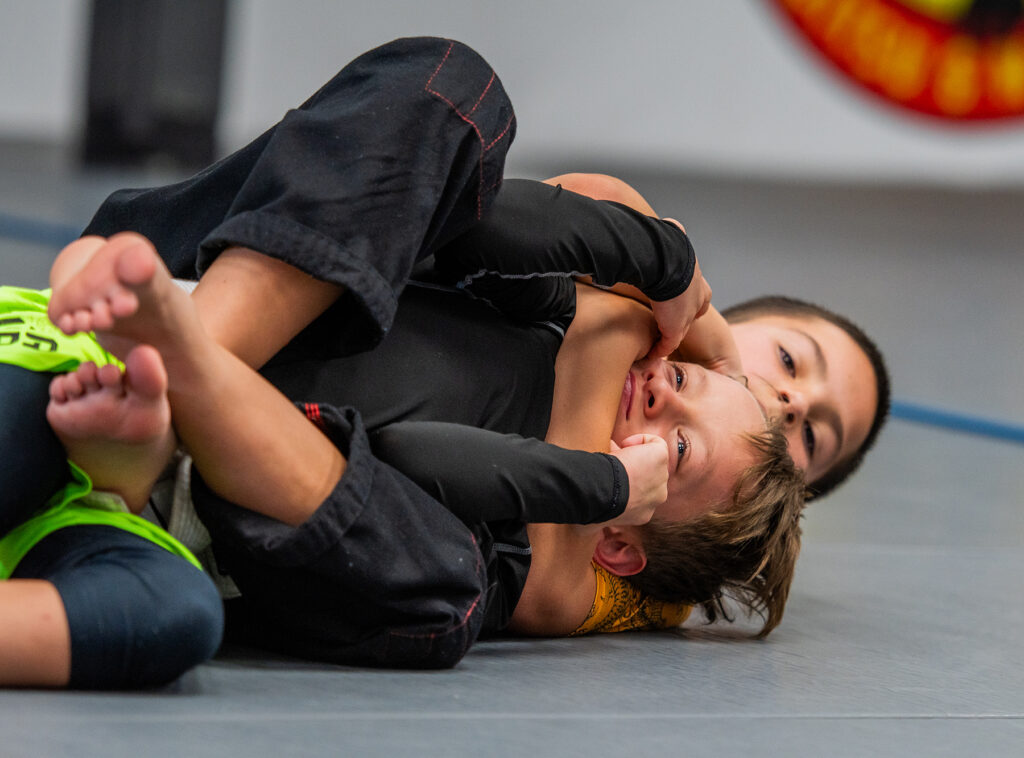
Start by becoming conscious of how you breathe while running. This effort can feel taxing because your body must abandon old habits and adopt new ones simultaneously. You might assume that inhaling through your nose and exhaling through your mouth sounds simple, but it isn’t.
Like most skills, breathing never gets easier; it just becomes more manageable. To speed that process up, build short breathing drills into warm-ups.
Try cadence breathing while jogging: inhale for three steps, exhale for three, and keep the rhythm steady for several minutes.
Box breathing offers another tool. Inhale for four counts, hold for four, exhale for four, then pause for four before repeating.
These exercises teach your body to stay calm while the workload climbs, and they translate directly to harder rounds on the mats.
[3 Breathing Exercises To Help Calm Your Nerves]
Power of breath in Jiu Jitsu
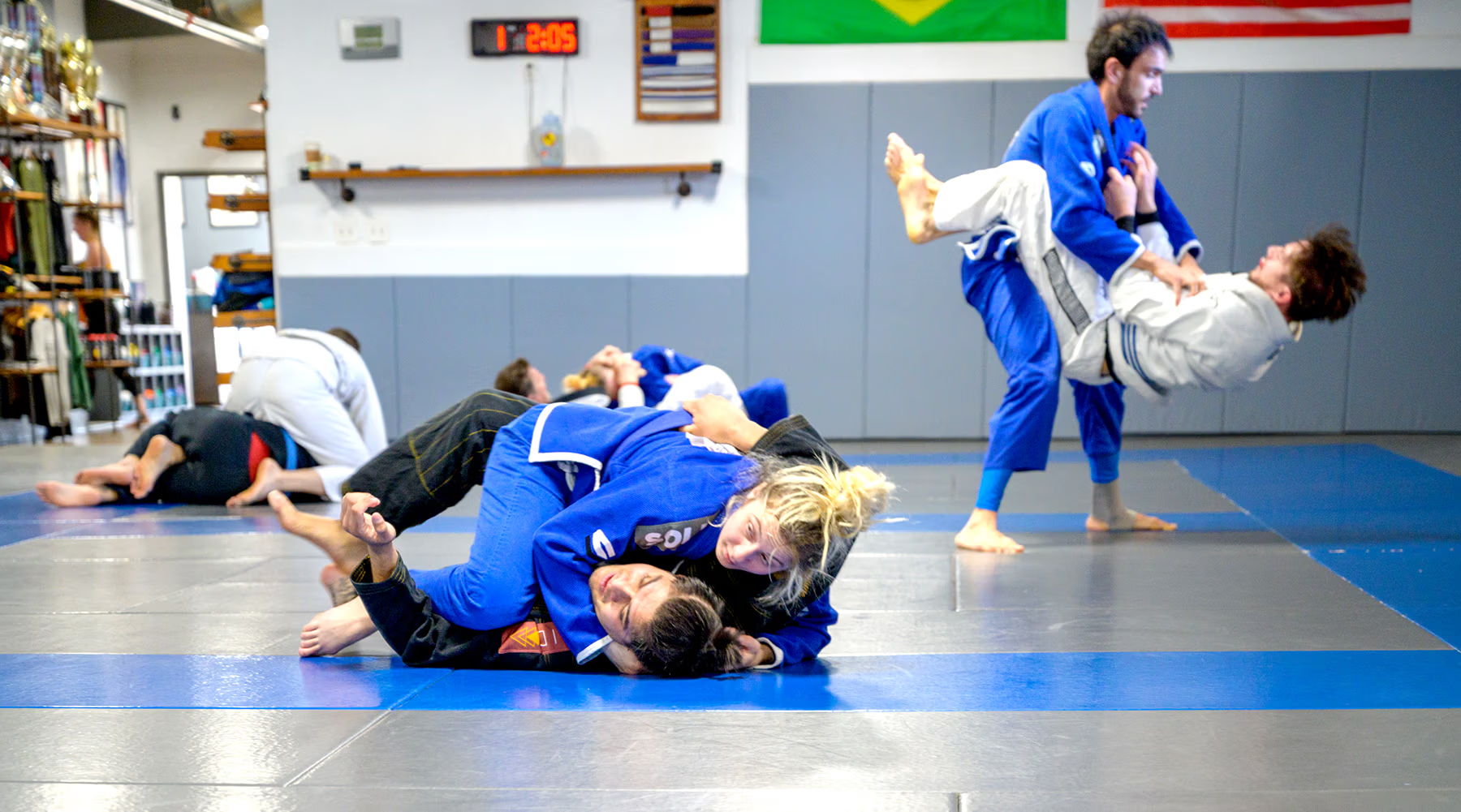
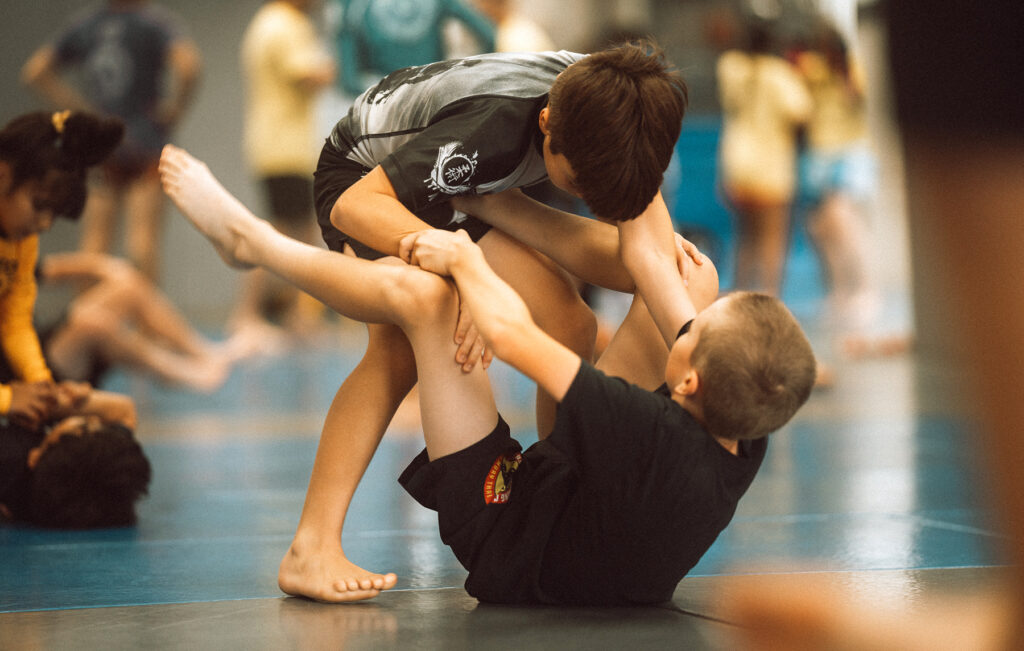
When you first roll or try Brazilian Jiu Jitsu, the experience can feel like being underwater. Your partner’s skill usually isn’t the cause of this feeling. Rolling demands immense breath control, and BJJ forces students to confront that reality quickly. Picture yourself setting up a submission: many people instinctively hold their breath, hoping it will generate extra leverage or power. In truth, the habit works against you. Eventually, fatigue creeps in, your opponent escapes, and exhaustion takes hold before the round ends.
When rolling, always advance position while controlling your breathing. On the defensive side, the same rule applies; hyperventilating won’t help either. Balance matters. When defending a position or escaping a submission, calm, natural breathing keeps your head clear.
The best way to train this skill is to start in bad positions or focus on breathing whenever you land in one. Give yourself a few seconds to settle before exploding into movement. This isn’t an ADCC or IBJJF competition. You build healthy habits during training, then execute them under pressure.
Stay methodical, and progress will come faster. You can even assign breathing checkpoints during rounds. Each time your partner passes guard or threatens a choke, take one slow nasal inhale and a long exhale before reacting. That pause keeps panic from hijacking your decisions and forces your movements to stay deliberate instead of frantic.
Breathwork for sparring
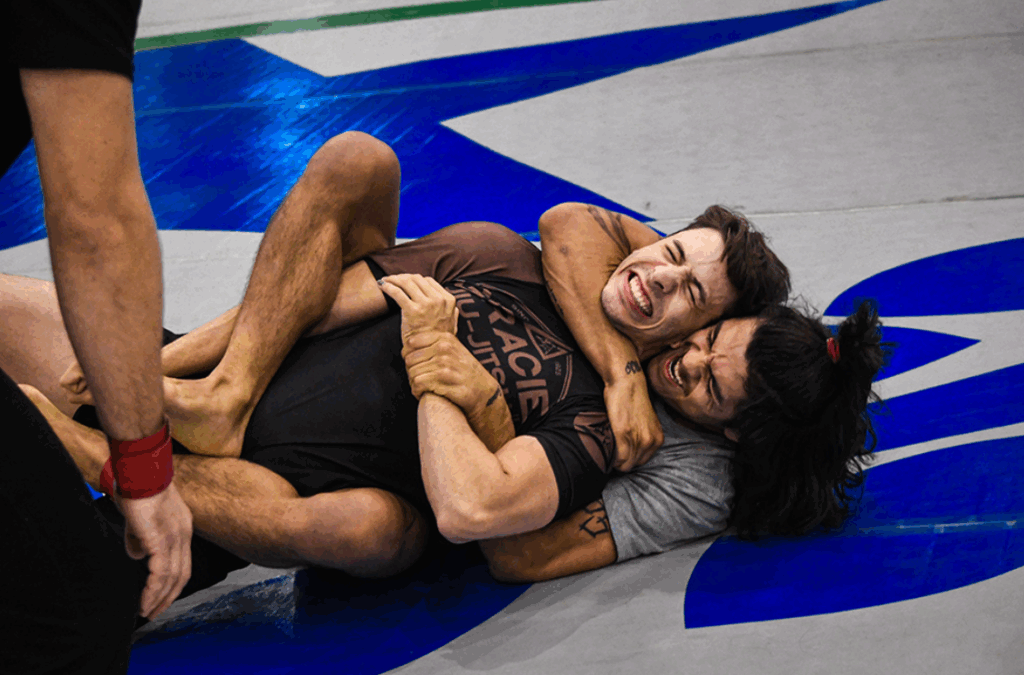
Sparring and quicksand go hand in hand. A student’s first session often unfolds the same way: everything feels fine, then one mistake leads to another. The harder you fight, the deeper you sink until you can’t move, and panic steals your breath. Controlled breathing reverses that spiral. Instead of fighting yourself by holding your breath or hyperventilating, you stay present and analyze what unfolds in front of you. Movements become purposeful, and training grows more methodical.
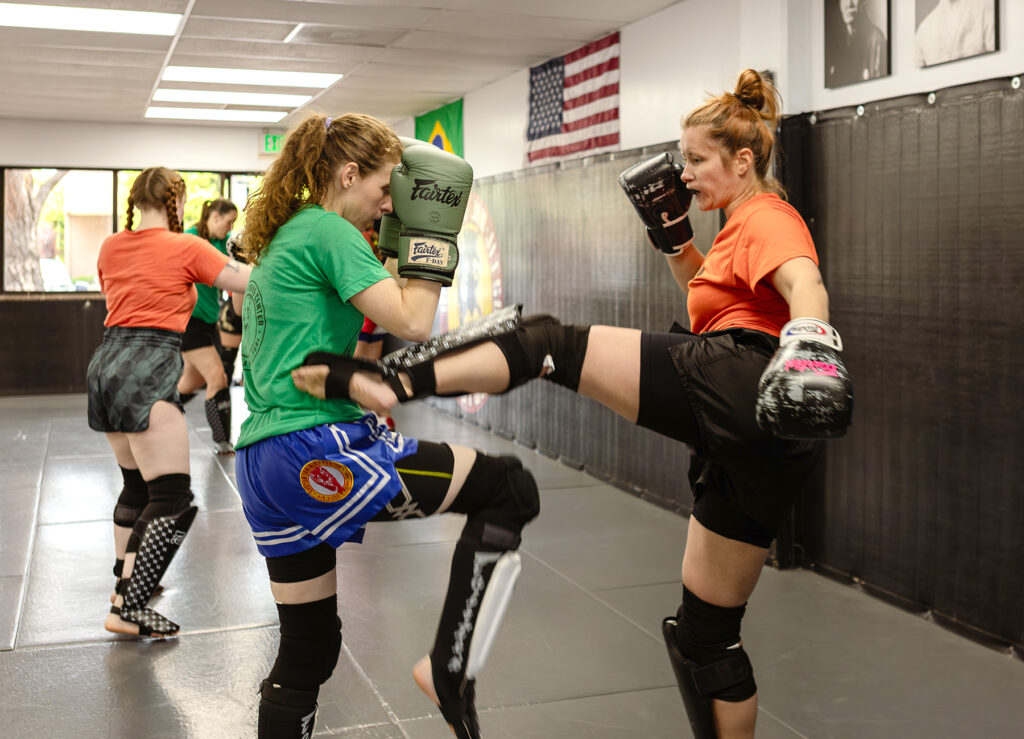
During exchanges, exhale with every strike and inhale while defending. Sync breathing with movement and sparring will start to feel natural. Between engagements, center yourself. When you control your breathing, you control your heart rate. Each spike becomes temporary, and each recovery phase gives you an edge over opponents who let fatigue take over.
Physiology backs this up. Slow, deliberate exhalations activate the parasympathetic nervous system, the part responsible for calming the body after stress. Fighters who master that switch recover faster between flurries and think clearly while opponents gasp for air. Over time, that advantage compounds. The calmer athlete usually lasts longer.
As you progress through your martial arts journey, you’ll discover that something as simple as breathing helps both on and off the mats. On the mats, it creates space to analyze and counterattack. Off the mats, it lets you slow situations down and regain control during tense conversations, heavy workloads, or unexpected stress.
Breathing goes beyond inhaling and exhaling. In martial arts, everything serves a purpose, and breathing becomes a tool for shaping outcomes. It dictates tempo, preserves energy and sharpens focus. Fighters who ignore it burn themselves out. Fighters who train it quietly stack small advantages every round.
Be methodical in your training. Pay attention to every inhale, every exhale and every moment your lungs try to rush ahead of your mind. Master that rhythm, and you’ll uncover one of the most reliable weapons in any martial artist’s arsenal.