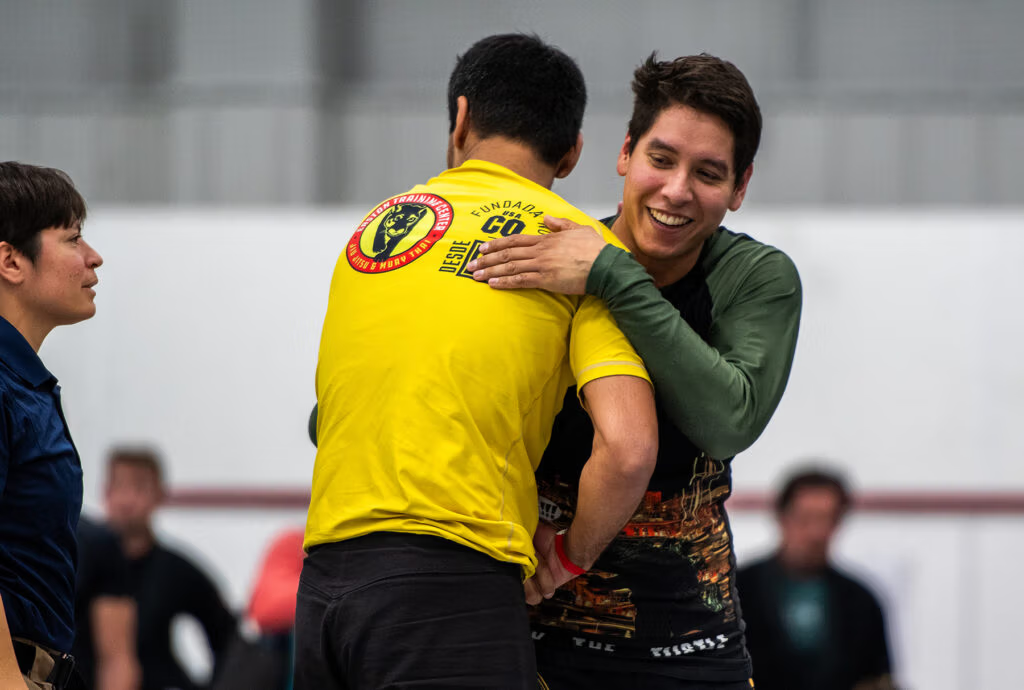
I’ve gone most of my life with a fairly weak endurance base, a cardio gas tank that would deplete seemingly instantly. Running a mile used to be a struggle — and a great feat if I ever pushed myself to do it. As I started going to Easton to train Jiu Jitsu and Muay Thai, I quickly realized the benefit of having a strong “bottomless” gas tank, helping push us further and further, breaking the ceiling on what we thought we were capable of.
It can feel very daunting and seemingly hopeless to take the first steps in building up your endurance. It’s important to remind yourself that while you may not immediately see progress, as long as you remain consistent, I promise you will gradually start seeing improvement. Before you know it, any lack of endurance will be a thing of the past.
Endurance building exercises come in many different forms. Personally, I prefer to run; but interval sprints, swimming, long walks or hikes, elliptical bikes (peloton, etc.) are all great ways to build up your cardio and endurance.
[Hack Your Training Using These 4 Tips]

Start small and build on it
One lesson that I’ve learned comes down to starting off small and working your way up.
For example, if you decide running is your exercise of choice, start out with a mile out and back. If you decide you want to swim or do short distance interval sprints, start with a dozen laps or sprints. If you want to hike, start out with a short hike with a low elevation gain. Whatever endurance exercise you chose, scale it down from the expectation you have of how long or far you wanted to start with.
When I first decided to start running, I’d told myself I would run five miles on my first run. Needless to say, my first run was my last run for a good period of time. I made the mistake of pushing myself way too hard right off the bat, and because of that, I lost all motivation and enthusiasm to build my endurance.
Scaling your goals and expectations down into something more manageable will help avoid burnout and allow your body to get used to the new endurance training you’re introducing it to. If you start off with small, short goals, your body won’t wear out on you and the faster you’ll be able to add more laps, sprints or miles to your runs and hikes — as long as you stay consistent.
When I began to consistently run, I liked to do interval runs where I’d run at my normal pace for three to five minutes and then either slow it down to a light jog or a speed walk for a minute. I’d continue doing that for as long as my run lasted.
[The Importance of Mixing Up Strength Training With Conditioning Exercises]

Take the pressure off of personal records
It’s easy to fall into the mindset of trying to always beat your previous time –whether it be on a run, swimming lap, on your hiking route, or miles biked. However, a good rule of thumb involves looking beyond simply having your next PR (personal record) motivate you. This is something I often struggled with, and whenever I couldn’t out-perform my last run, I felt like it meant my endurance had lowered.
However, trying to get a new PR every time will just lead to fatigue, burnout, frustration and loss of motivation. Instead of going for PRs every time, try picking one day a week where you aim for a new PR or just push it a little more than you normally would. The rest of the days you do endurance training, you can keep it to a nice medium pace. For example, if you choose to run, run at a pace where you can maintain a conversation.
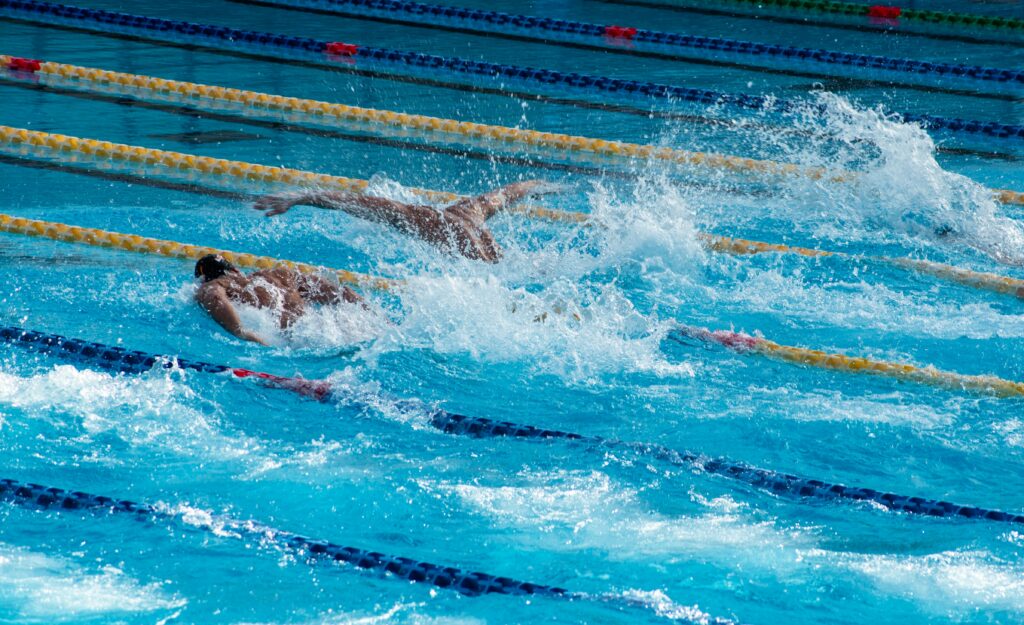
As you start to feel your endurance improving, you can start to gradually increase the duration and intensity. If you’re running, you can add more miles and start introducing routes with a higher elevation gain. You can start doing sprints on a hill, and swim more laps. If you prefer to hike, you can change up your route to a longer and more elevated route. You can even try doing your hikes with some added weight! If you like the elliptical bikes, you can increase your mileage or the resistance on the bike.
Just because you started doing one doesn’t mean you can’t change up your endurance exercise. It might take trying out different ones for you to find the best fit for you. Remember to stay hydrated before and after your endurance training and get plenty of electrolytes, especially on warm days.