Nutrition in martial arts
More than just a physical discipline, martial arts embodies a holistic practice that demands strength, agility, mental clarity and emotional resilience. While rigorous training levels us up, nutrition often becomes the overlooked pillar of success. The foods we consume directly influence our energy levels, recovery, hormonal balance, and even mental health. For martial artists striving for peak performance, understanding the impact of nutrition becomes non-negotiable.
This article explores three critical aspects of nutrition in martial arts: why processed foods and sugars disrupt hormonal function, how whole, unprocessed foods enhance physical health, and the synergistic effect of proper nutrition and fitness on mental well-being.

The hidden cost of processed foods on hormonal health
Hormones, the body’s chemical messengers, orchestrate everything from muscle growth and fat metabolism to mood regulation and stress response. For martial artists, things like recovery, strength development and mental focus depend largely on healthy hormone function. Unfortunately, diets high in processed foods and refined sugars can sabotage this delicate system.
Processed sugars, commonly found in sodas, candies and packaged snacks, cause rapid spikes in blood glucose followed by sharp crashes. This rollercoaster effect forces the pancreas to overproduce insulin, a hormone responsible for regulating blood sugar. Over time, frequent insulin spikes can lead to insulin resistance, reducing the body’s ability to utilize glucose efficiently and, in severe cases, impairing blood sugar regulation altogether.
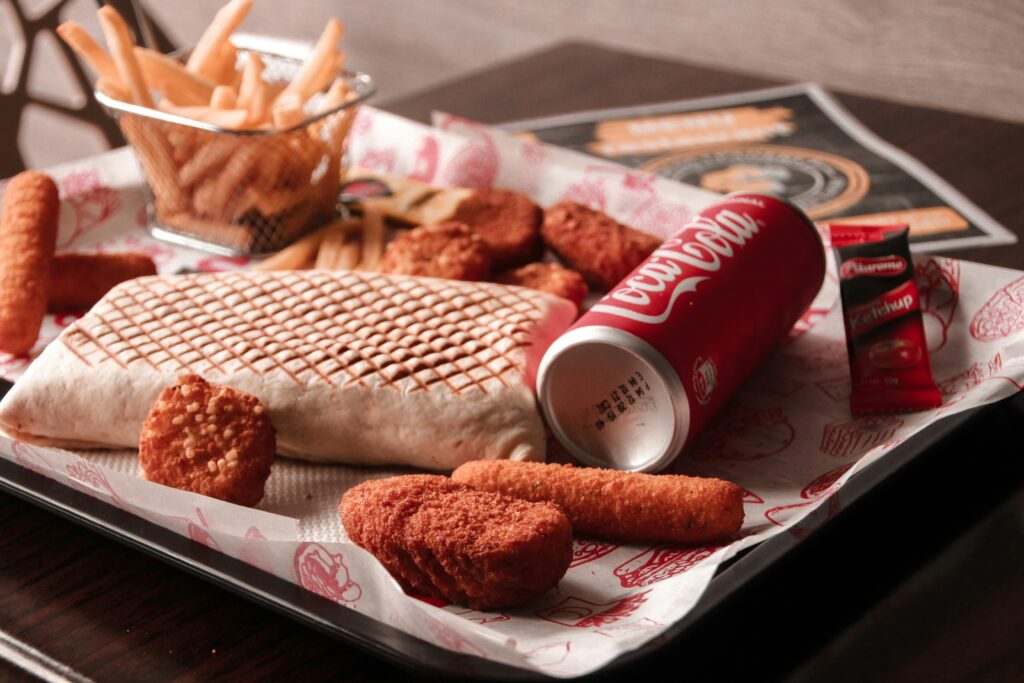
Excessive sugar intake can elevate the stress hormone, cortisol, suppress testosterone, and inhibit HGH production. In children, suppressed HGH can impair growth and development. In adults, low HGH levels may contribute to increased body fat, reduced muscle mass, lower energy and metabolism. Both testosterone and HGH make up two essential components for muscle repair and strength development.
Processed foods often contain trans fats and artificial additives that further disrupt endocrine function, impairing thyroid activity and slowing metabolism. In short, a diet dominated by processed products creates an internal environment hostile to performance and recovery. For athletes, this translates into inconsistent energy levels and diminished endurance during training.
[Kick the Sugar, Optimize Your Training Fuel and Feel Better]
Whole foods: the foundation of strength and vitality
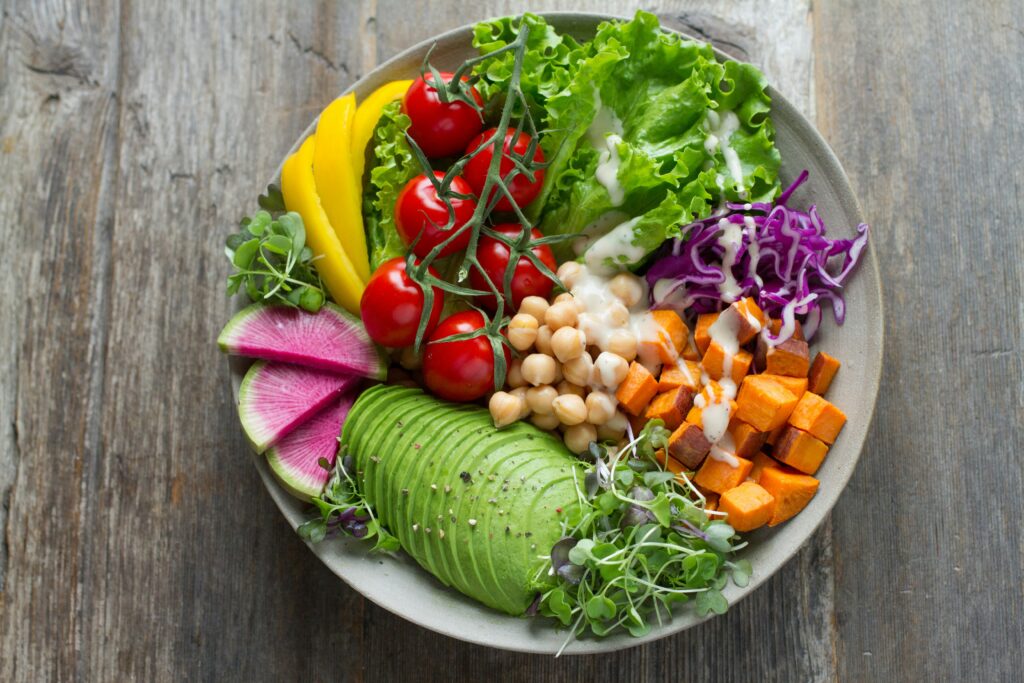
In contrast, whole, unprocessed foods provide the nutrients necessary for hormonal harmony and physical resilience. Lean proteins from sources like lean turkey, chicken, fish, and legumes supply amino acids critical for muscle repair and neurotransmitter synthesis. Complex carbohydrates from whole grains and vegetables deliver sustained energy without the blood sugar volatility caused by refined sugars. Healthy fats from avocados, fatty fish, nuts, and olive oil support cell membrane integrity and hormone production, particularly testosterone and estrogen.
Micronutrients, your vitamins and minerals, found abundantly in fruits and vegetables, play an equally vital role. Magnesium aids in muscle relaxation and energy metabolism, while zinc supports immune function and testosterone synthesis. Antioxidants from colorful produce like purple sweet potatoes and berries combat oxidative stress. This can help reduce inflammation and accelerate recovery after intense sparring or conditioning sessions.

For martial artists, eating whole foods doesn’t merely help them avoid processed alternatives; it creates a nutritional environment that amplifies training benefits. A balanced diet rich in natural, nutrient-dense foods ensures steady energy, efficient recovery, and optimal body composition. All of which translates into superior performance on the mat.
[Nutrition Tips for Those Who Train]
Reduced inflammation: the key to flexibility and recovery
Inflammation is the body’s natural response to stress and injury, but when it becomes chronic, fueled by a steady diet high in processed foods, it can really hinder recovery and limit mobility. For martial artists, this can feel particularly detrimental, as executing techniques and preventing injuries depends greatly on flexibility and joint health.
Whole, unprocessed foods rich in antioxidants and omega-3 fatty acids help combat excessive inflammation, allowing muscles and connective tissues to heal efficiently after intense training. Reduced inflammation not only accelerates recovery but also improves range of motion, making stretching more effective and reducing the risk of strains.
By prioritizing anti-inflammatory foods such as leafy greens, berries, and fatty fish, martial artists can maintain supple joints and resilient muscles, ensuring long-term performance and longevity in their practice.
[Signs Your Body Isn’t Recovering Properly]
Nutrition and fitness: a powerful duo for mental health
Martial arts is as much a mental battle as a physical one. Focus, discipline, and emotional stability become indispensable for mastering techniques and thriving under pressure.
Here, the interplay between nutrition and exercise becomes transformative. Physical activity stimulates the release of endorphins, which boost our moods and reduce our levels of stress hormones like cortisol. However, the brain’s ability to capitalize on these benefits depends on proper nutrition.
Omega-3 fatty acids from fish and flaxseed improve cognitive function and reduce symptoms of anxiety and depression. Complex carbohydrates like whole grains, legumes and veggies promote serotonin production, fostering a sense of calm and well-being. Conversely, diets high in processed sugars can exacerbate mood swings, irritability and mental fatigue, undermining the psychological resilience martial artists need.
When combined, clean eating and consistent training create a feedback loop of positivity: exercise boosts mood and confidence, while nutrient-rich foods stabilize brain chemistry and energy levels. This synergy not only enhances performance but also cultivates mental clarity, emotional balance, and a deeper sense of purpose — qualities that define true martial artistry.