
Live Rounds: Knowing When To Increase Intensity in Training
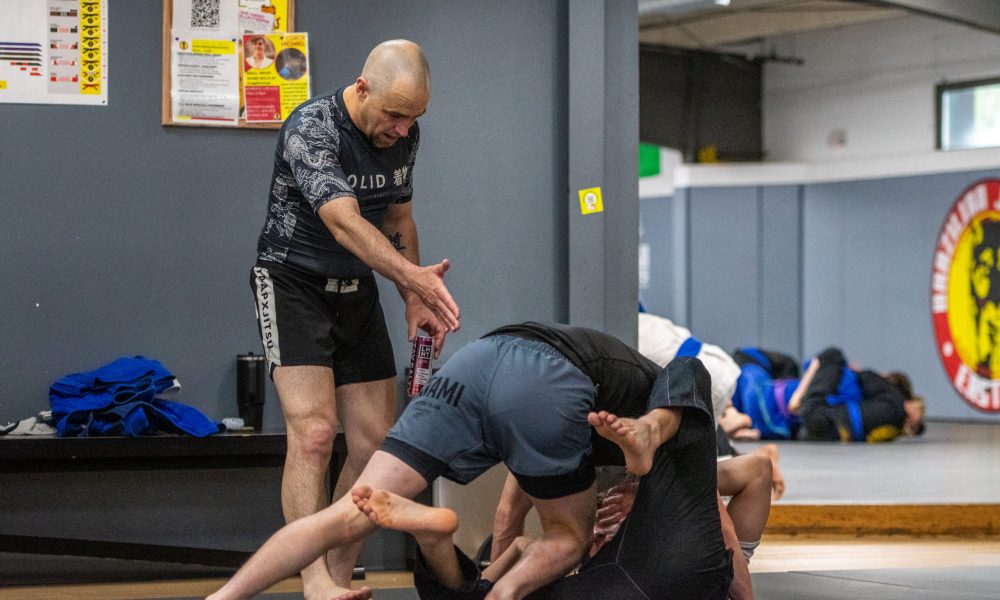
Once you get your second stripe in Jiu Jitsu, it opens up the door to start participating in live rounds, or “rolls.” This means you can finally try using what you’ve learned and drilled in a live scenario to get a submission. Knowing what your intensity and pace should look like can feel like a struggle at first, along with knowing when to increase those levels.
I remember going to my first randori (an entire session of live rounds) and seeing people getting arm-barred, triangle-choked, darced and rear-naked choked in real time. It was very intimidating, and I felt like this was going to be the most intense thing I’ve done.
I left that randori thinking, “This is the coolest!” and most fun I’ve had in a while. A huge part of my feeling that way had to do with my partners knowing what the intensity should look like when rolling with a newbie like myself.
Finding your pace
It’s natural to feel a sense of chaos when you first start live rounds. Everything feels like it’s moving a hundred miles an hour, and you assume you have to match that pace. Most of us go through that erratic white belt phase — overexerting, tensing up, taking short, rapid breaths, and moving at full intensity nonstop just to avoid getting stuck or submitted. This might work for a little while, but you gas out quickly.
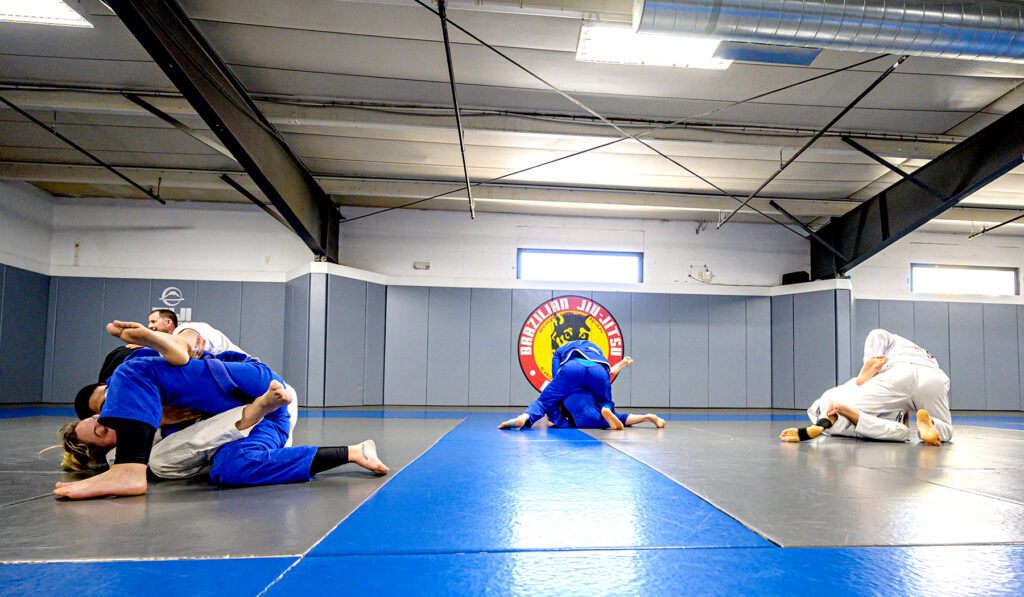
Those initial tendencies, while exhausting, ultimately help us recognize our patterns, correct them and learn quickly what not to do.
Gradually, the more live rounds I got under my belt, the more I realized that Jiu Jitsu is like a chess match. Move too quickly and without giving it much thought, and you’ll get caught in a submission or in an unfavorable position.
Rolling with upper belts is a great way to learn how to conserve your energy and when to increase the pace. The more you roll with upper belts, the faster you realize moving at a high pace isn’t sustainable. Pushing too hard for too long, the quicker you get tired, the quicker technique deteriorates, and the more holes open up in your game.
Knowing when to up the pace
The times do come when we need to use those explosive movements to get out of a bad position or lock in a submission. Knowing when to up the pace comes with experience and time on the mats.
I like to use the first minute or so of a round to feel out my training partner’s pressure and either match that pace or slow it down to better suit my game. If you’re competing, that first minute usually tells you how your opponent’s skill level stacks up against yours. From there, you can decide whether to increase the intensity or play more defensively and wait for your moment to go on the offensive.
If you’re just training and you sense that your skill level might be higher than your partner’s, resist the urge to crank up the pace. Instead, use it as an opportunity to work your B and C game. In training rounds, you shouldn’t feel like you need to “win.” No one enjoys rolling with someone who treats every round like it’s the ADCC finals.
[Flow Roll: The Essence of Flowing, in Life and on the Mats]
Embracing a variety of styles
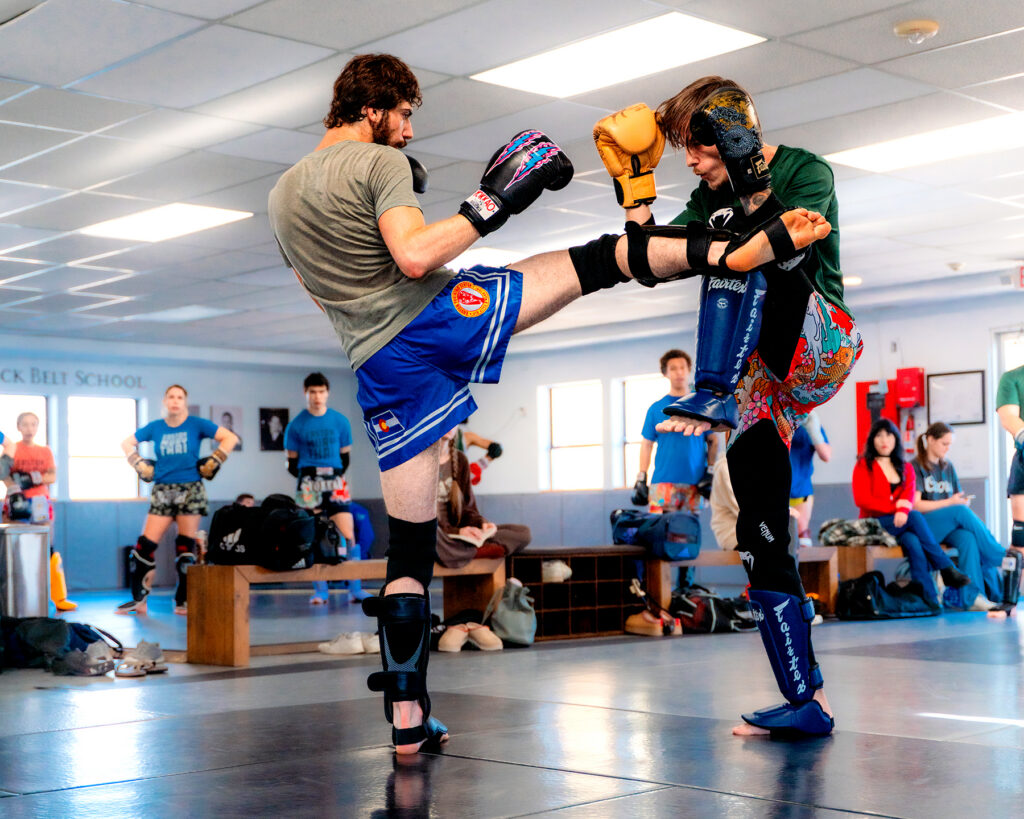
For the most part, training rounds should be a step or two below competition pace. But the more you train and the more people you roll with, the more you’ll notice different styles. Some people play a fast, scrambly game. Others prefer a calm, flowy roll. Both are beneficial. The calmer rounds help you practice and refine specific movements, while the higher-paced rounds teach you how to stay composed and scramble your way to a dominant position.
If your schedule allows and you’re preparing to compete, attending a comp class is a great way to get higher-intensity rounds in and learn the rules for different competitions. If you can’t make comp class, you can still seek out faster rounds by asking training partners who favor a scramble-heavy pace to roll at the end of class. And no matter what, it’s always a good idea to ask what kind of round your partner wants — and whether they have any injuries or sore spots you should be mindful of.