When I was little, my dad always made sure my sister and I had a say in our Jiu Jitsu schedule. He told us it was important that we actually enjoyed it — so we wouldn’t burn out or quit the moment we had the chance. In giving us that freedom, he gave us balance. Because of that, I’ve come to understand the value of finding a middle ground: knowing when to rest and when to push myself to get up and move. More often than not, I feel so much better afterward.
Lately, I’ve tried to make a habit of moving each morning — whether it’s yoga, kettlebells or just a few minutes of stretching. Even 15 minutes helps ease my stress, clear the fog from my mind, and leave me feeling better physically throughout the day. Still, I’ve come to appreciate how important rest is — not just for muscle recovery but for giving myself permission to slow down, sleep in, and recharge.
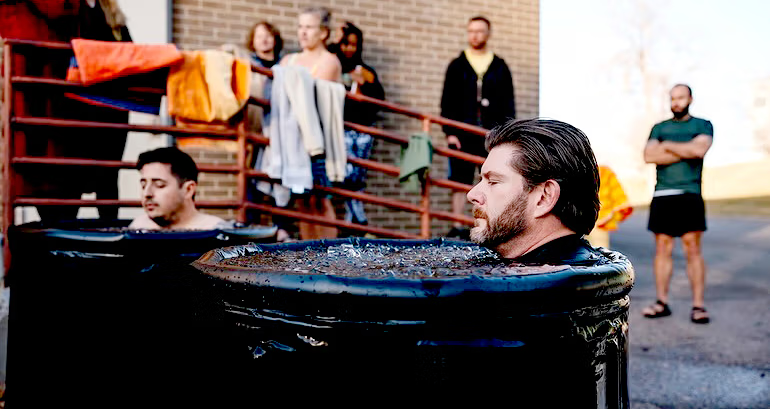
[Why You Want Active Recovery in Your Life]

That balance between movement and rest plays an essential role in staying consistent, but also for actually enjoying the process and supporting mental well-being. I tend to be an overachiever, constantly pushing to do the longest workout or lift the heaviest weight. But that approach leads to burnout fast, making it hard to stick with anything long-term. I’ve learned that taking it slow and gradually increasing intensity is not only more sustainable, but also more enjoyable.
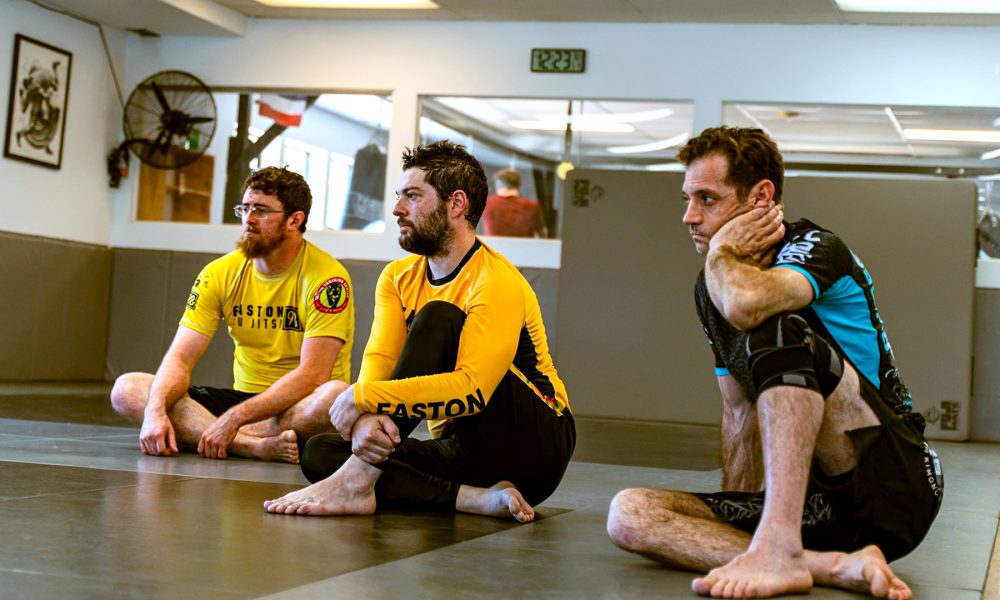
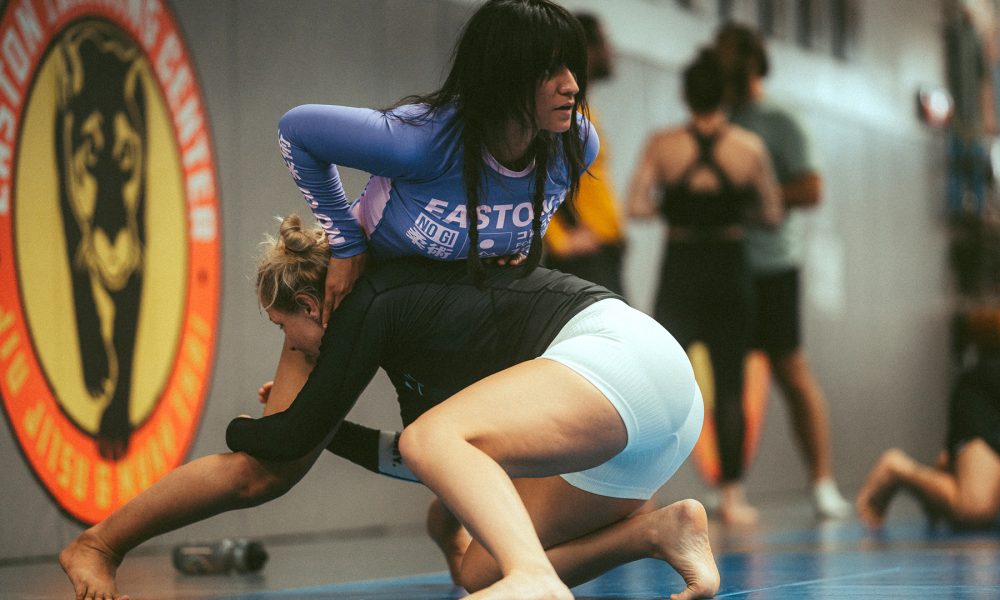
The same mindset applies to Jiu Jitsu. The adrenaline can feel addicting, making it tempting to train every single day. Yet that level of intensity without rest can also lead to burnout — a big reason why many new members drop off after just a few months.
In the end, finding that rhythm between exertion and recovery is a skill in itself — one that’s crucial for staying consistent. Rest days don’t just serve breaks; they make up a vital part of the training. They give your muscles time to recover and grow stronger, preparing you for the next workout or training session.
[4 Stretches to Try on Your Next Rest Day]

“Rest days are massively underrated,” says Jordane Zammit Tabona, Director and Lead Physio at Function360. “I see so many people with overuse injuries because they’re training frequently and not taking enough time to rest. If you don’t factor rest days into your training regimen, your performance can suffer, too.”
Rest gives both your body and mind a chance to recover from physical and mental strain. Every time you train, you create micro-tears in your muscles. It’s during the downtime — resting and refueling — that those muscles rebuild and grow stronger.
“Muscle is developed in its ‘repair phase’,” says Jordane, “when you’re resting and refueling.”

Resting after injury is another crucial point. I know plenty of Jiu Jitsu practitioners who get injured, take two weeks off, and get reinjured later on because they didn’t give their body enough time to heal. Giving your body time to repair itself gives you more longevity in Jiu Jitsu, Muay Thai or any physical activity.
It’s key to make sure that you give yourself rest periods. In the long run, balance keeps your mind and body strong. Keeping burnout, stress, soreness and overuse injury at bay is vital to staying in shape. By honoring both movement and recovery, you don’t just build strength — you build a habit that can last a lifetime.