

From muscles and bones to the brain, the human body has countless systems that support how the martial artist fights and feels, not least of which is the gut microbiome. Comprising trillions of microorganisms in the large and small intestines, the microbiome plays a crucial role in digestion, immune function and overall health.
A healthy microbiome can improve immune functioning, boost energy and endurance, and support mental clarity. Microbiome health becomes an important tool for recreational martial artists and combat athletes alike, especially for those who train intensely and cut weight before competitions. While research about the microbiome remains in early stages for now, it still offers some crucial takeaways for athletes looking to get an edge on their health and performance.
Scientific research indicates a bidirectional correlation between exercise and gut health. A moderate amount of exercise supports gut health and immunity by improving circulation and cardiovascular fitness; however, overtraining can have the opposite effect. One such negative effect for athletes across disciplines, including martial arts, includes increased incidences of upper respiratory tract infections, or URTIs.
Research indicates this may partially stem from a redistribution of blood flow from the gut to skeletal muscles (which require the blood flow for repair) during intense exercise. This diversion of blood flow from the gut can increase gut permeability, allowing bacterial endotoxins to pass through the gut lining and enter the bloodstream. This results in increased inflammation and susceptibility to illness.
Additionally, elite endurance athletes commonly suffer from gastrointestinal disorders during or after intense exercise, such as belching, nausea and vomiting. While martial arts are not inherently endurance sports, many training sessions consist of up to an hour-and-a-half or more of intense cardiovascular exercise, and many striking fighters also run frequently to improve endurance.
For the competitive athlete, gastrointestinal distress and URTIs may result in time off the mats, or even withdrawal from a fight. But everyone, fighters and recreational athletes alike, can benefit from the improved immunity associated with a healthy microbiome.
[Stretching for Recovery, Performance and Injury Prevention]

How a healthy gut impacts performance
In addition to supporting immune health, the microbiome plays an important role in energy due to its impact on metabolic functions and body composition. Short-chain fatty acids (SCFAs), a group of bacterial metabolites, form when gut bacteria ferment dietary fiber. One SCFA, butyrate, is believed to be anti-inflammatory, and an abundance of butyrate-producing bacteria has been linked with improved VO2 Max in some studies.
Lowering inflammation benefits recovery after training sessions, and improving VO2 Max helps promote sustained intensity during rounds and better recovery between rounds. The production of SCFAs also corresponds to increasing and maintaining lean muscle mass.
Lean muscle mass supports power, including speed and force, for athletes, translating to the bursts of movement needed to escape guard or maintain posture in the clinch. Additionally, a higher percentage of lean muscle mass can ease the process of cutting water weight before competitions. Muscles hold a significant amount of water, and higher muscle mass can help the body to sweat more efficiently, allowing for more temporary fluid loss.
Finally, microbiome health also impacts mental clarity and well-being. Gut bacteria produce many neurotransmitters, including serotonin, which regulates mood. When the gut becomes inflamed and permeable, such as from overtraining, an increase in endotoxins leaking into the bloodstream can result in brain fog.
All athletes require mental clarity during competitions, but this may feel especially important for combat athletes whose safety depends on their ability to stay focused and engaged. Competition training and fight camps can be mentally grueling processes, and the ability to regulate mood and stay engaged throughout becomes every bit as important and demanding as the physical aspects of training. A healthy microbiome can give athletes an edge on their mental performance.
[Benefits of Fasting for a Healthy Body, Mind and Life]
Shifts in the biome
A dynamic ecosystem, the microbiome changes constantly, sensitive to changes in diet, exercise, stress, travel and antibiotic use. Extreme and sudden dietary and lifestyle shifts can significantly impact the microbiome in as little as 24 hours.
This becomes especially important for athletes who make drastic dietary changes to cut weight before competitions, especially if the weight cut includes a restriction of fiber and carbohydrates. These changes may result in increased gut permeability and inflammation, leading to worsening recovery and energy. Athletes training for high levels of competition may someday track their microbiome the way they currently track their macros and sleep.
Although we may not yet have sophisticated ways to monitor the microbiome, fighters who have to cut weight for competitions should stay conscientious about the impacts of diet and of weight cuts on the microbiome.
Fighters should aim for diet consistency during and between fight camps. Whenever possible, fighters should try to avoid zero-fiber weight cuts in order to minimize negative immune and GI effects, and protein intake should remain consistent, focused on sources from whole foods. After competitions (especially the week following a weight cut), athletes should focus on reintroducing a diverse, fiber-rich diet full of healthy, whole foods in order to help restore microbial diversity and reduce inflammation.
Here are five evidence-based strategies that martial artists can use to support their gut health today:
- Exercise regularly and maintain training consistency in order to support the overall circulation important to a healthy gut.
- Remember the goldilocks effect, and make sure to prioritize getting enough rest and recovery, including good sleep, in between strenuous training to support immune functioning and reduce inflammation and illness (especially URTIs).
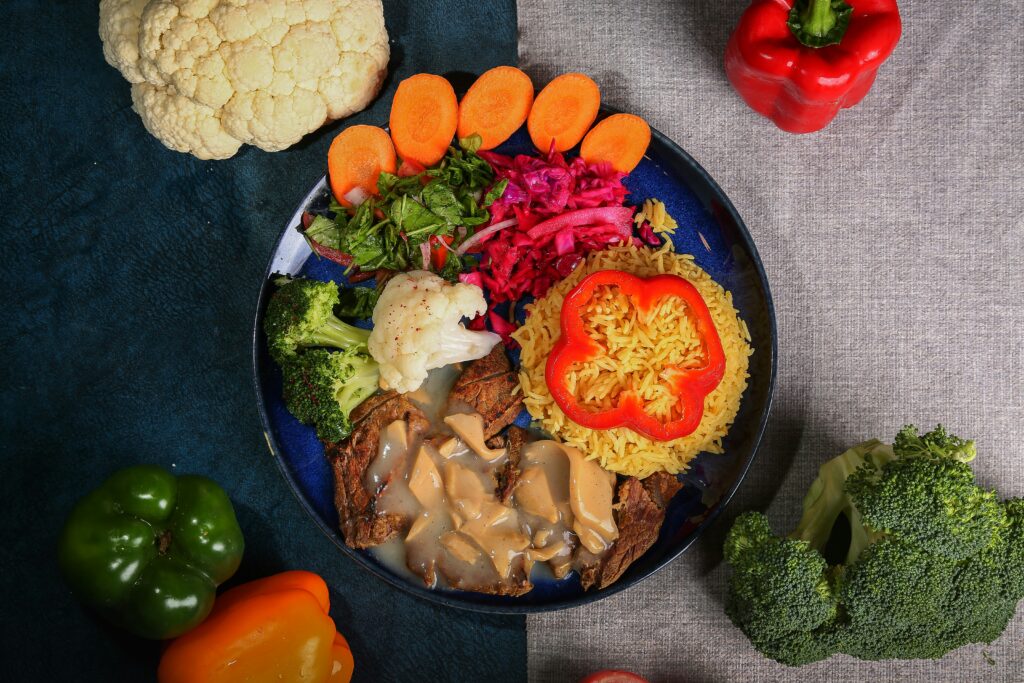
- Focus on eating a fiber-rich, diverse diet. The inclusion of fermented foods into the diet (e.g., yogurt, sauerkraut, kombucha, kefir, kimchi) has long shown to have a significant and positive impact on the gut microbiome and health.
- Use evidence-based probiotics to provide supplemental support for gut health. Look for probiotics that contain the most well-researched bacteria strains, including those with Lactobacillus and Bifidobacterium in the title.
- Avoid unnecessary antibiotics whenever possible, as these can wipe out many healthy bacteria in the gut.
There are many evidence-backed ways to improve health, wellbeing and performance for martial artists. Research on the microbiome is growing fast, and future discoveries may provide additional insights to improve health and performance. Supporting a healthy microbiome doesn’t give us a magic wand to master our health or bring home the belt, but it does add one important tool in the toolbox that martial artists can access to feel and fight their best.