

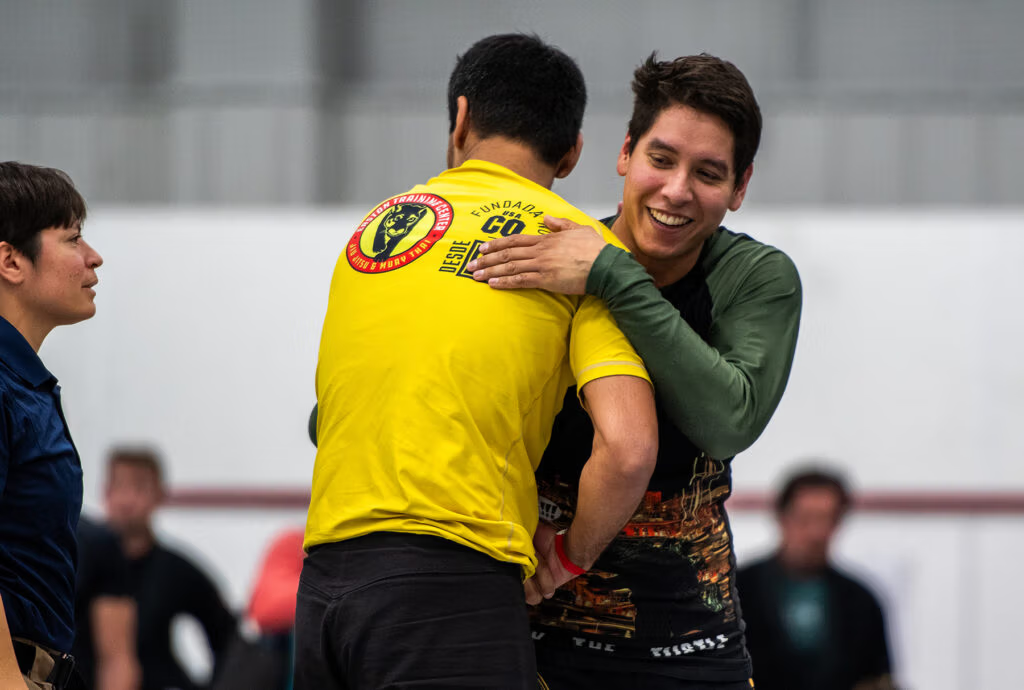
Embracing Inconsistent Consistency
In an ideal world, we’d all train as much as we wanted, eat clean, stretch daily and sleep like monks, but life has other plans. Work deadlines, family commitments, social plans, injuries, and the occasional wave of pure physical or emotional exhaustion can break even the strongest training streaks. It’s essential to recognize that achieving a level of consistent training is often a challenge.
This applies not only to Muay Thai, but to nearly every part of life. I often recall a saying from a company president I once worked for: “If you want to make God laugh, make plans.” That truth only seems to grow stronger each year.
Over time, I’ve learned to roll with the punches, adapt, move forward, and keep pressing on. Still, the inability to remain perfectly consistent with training at Easton can be both a physical and emotional struggle. It’s something I’ve discussed with coaches, training partners, and mentors, and through those conversations (plus some reading and reflection), I’ve discovered that even inconsistent training can offer surprising benefits, especially when you’re striving for consistency.
[Improve at Any Age with Better Sleep, Diet and Stretching]
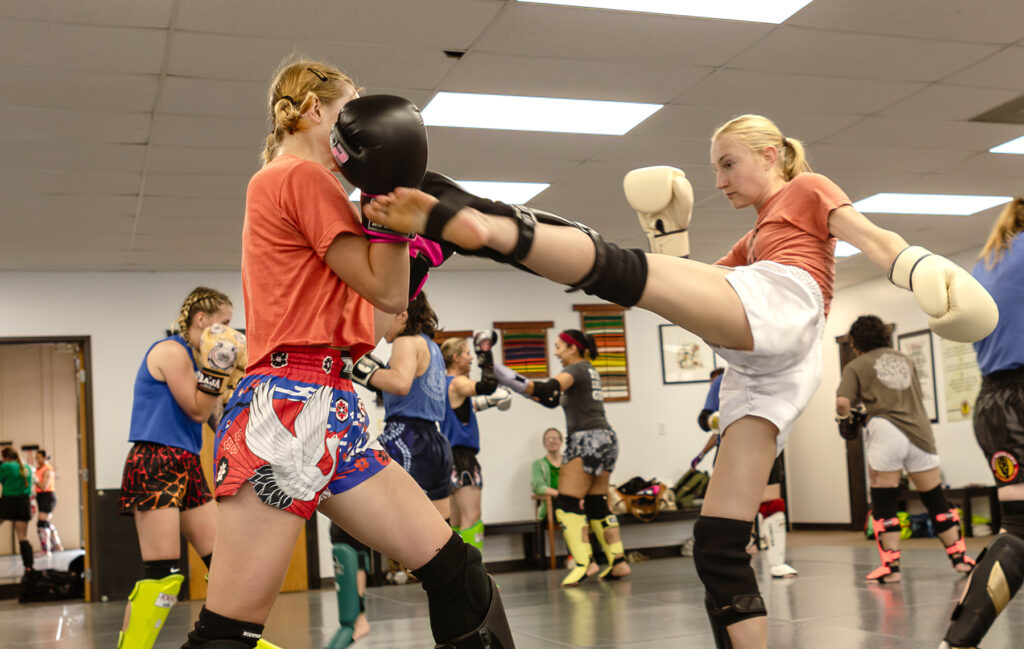
Of course, consistent training is best. That’s obvious when you look around the academy and see the skill, discipline, and progress that come from showing up week after week.
I never want to diminish the dedication so many demonstrate at Easton. Everyone’s life path looks different. Mine happens to include overlapping family responsibilities — especially with my kids’ numerous sports and activities — and an erratic work schedule filled with client meetings and reports.
Sometimes, like this past week, returning from back-to-back work conferences, I plan for a midday class only to have a last-minute meeting derail it. By evening, youth sports fill the rest of the day. But other weeks, when the stars align, I can make it to class five or more times — inconsistent, yes, but still hugely beneficial.
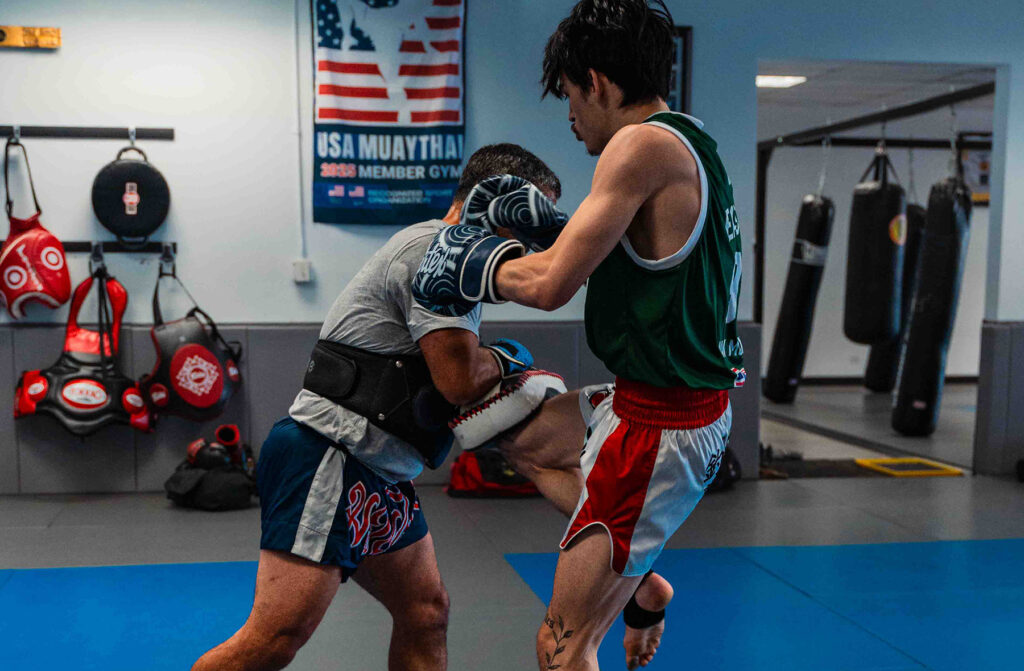
One of the hidden benefits of inconsistent training is recovery, both physical and mental. Over the years, injuries can occur, whether from training or from everyday life outside the gym. These breaks, though frustrating, give your body time to adapt, heal, and rebuild.
When you return, you may notice small gains: sharper power, better flexibility, and improved balance, all of which reemerge after a bit of rest, even your central nervous system benefits. Excessive training without adequate rest can lead to fatigue, slower reaction times, and burnout. Time off allows your system to reset, often leading to stronger and more focused performance when you return.
[Beyond the Mat: How Injury Shaped My Strength]
I still hear my high school coach’s voice: “It takes weeks to get in shape and only days to lose it.” It’s partly true, but not as simple as it sounds.
- After 1 week: Little to no real loss. You might just feel a bit off or stiff.
- After 2–3 weeks: Cardio begins to dip, your heart rate spikes quicker and recovery between rounds slows.
- After 4+ weeks: Strength, endurance, timing and rhythm begin to fade noticeably.
The silver lining? Muscle memory is real. Once you’ve built a foundation, your body remembers. Getting back into shape takes less time than starting from scratch.
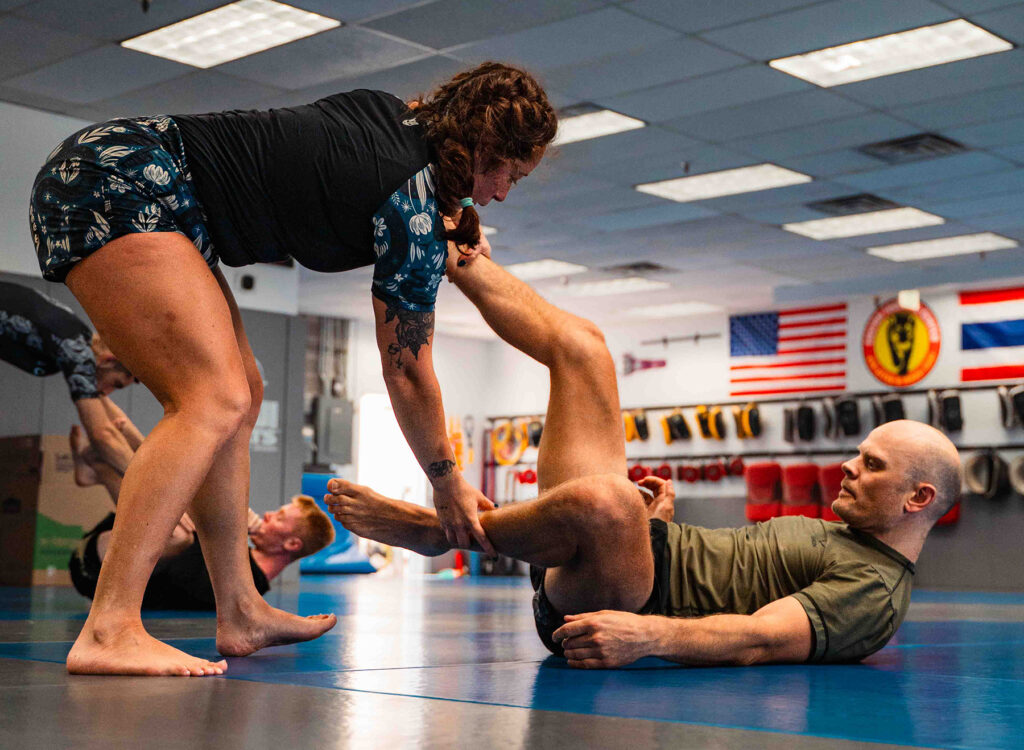
Another unexpected benefit of inconsistency is the renewed motivation it provides. Training gaps can actually reignite your drive, reminding you why you fell in love with the art in the first place.
Passion naturally ebbs and flows. Too much rigid structure can cause burnout, while too much chaos leads to stagnation. The long-term practice of Muay Thai or Jiu-Jitsu isn’t measured in single sessions, but in years, even decades, of learning, adapting, and showing up when you can.
Ultimately, it’s all about embracing the journey. Fitness and martial arts follow rhythms, not straight lines.
The key is to keep showing up, even if it’s inconsistent. Every class counts. Every round moves you forward. And every return to the mat is proof that you haven’t quit, you’re still in the fight.