
Over the course of our lives, we constantly learn, grow and change. New experiences we have inform decisions we make in the future. Practicing new skills, over time, can turn us into experts. This life-long learning is an inherent part of the human experience that we often take for granted.
Neuroplasticity
So what is the mechanism that allows us to constantly learn? The human brain has an incredible trait called neuroplasticity — the brain’s ability to adapt, change, and reorganize itself.
The brain largely relies on cells called neurons to communicate both across the different brain regions and throughout our entire bodies. These neurons send signals to each other through connections called synapses. By taking advantage of neuroplasticity, our brains create new synaptic connections all throughout our lives. Skills we learn, experiences we have, and even our memories are stored in these connections.
There is a common misconception that as we age, we no longer have the ability to learn effectively. We even hear this commonly in pop culture with phrases like, “You can’t teach an old dog new tricks.” While our neuroplasticity does peak at a young age, we never lose our brain’s ability to change. In fact, we can take action every day to help keep our brains sharp and active.
[Improve at Any Age with Better Sleep, Diet and Stretching]

Martial arts + neuroplasticity
There are several strategies we can use to take advantage of neuroplasticity. Small every day actions like doing a crossword puzzle can add up. Large projects like learning a language provide an immediate beneficial challenge. However, seeking out these strategies can be a cumbersome overwhelming task. Luckily, practicing martial arts requires the use of a variety of these strategies all in one place.
Problem-solving
One such strategy involves problem-solving. Challenging ourselves with new activities forces our brains to create new synaptic connections to store information about the experience.
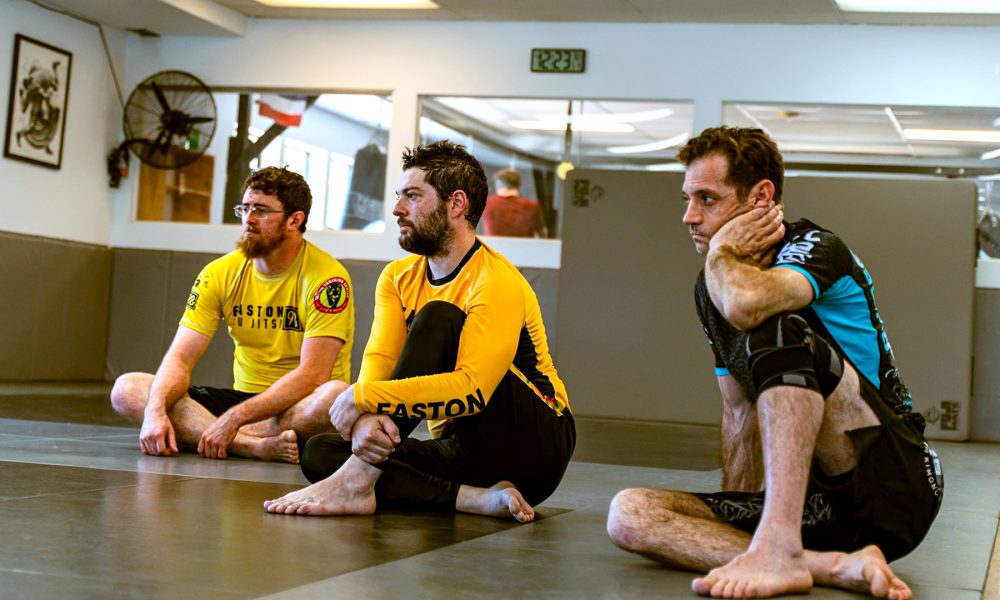
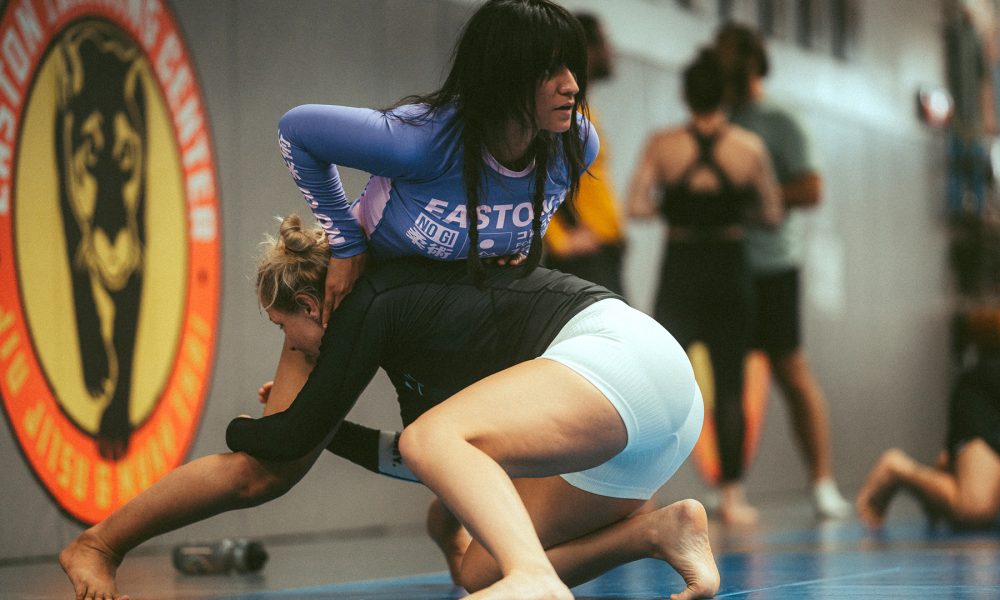
Practicing martial arts requires continuously learning new techniques that often feel foreign to us. Maintaining a regular training schedule to learn and practice new techniques is a huge benefit to our brains. Oftentimes, we must work with a partner to understand how to properly perform a technique. It takes many failures before we get it right. We rely on feedback from our partners to solve the puzzle. This trial and error process becomes key to maintaining our brain’s ability to create connections quickly and get to the right solutions.
Repitition
Repetition makes up another key strategy to maintaining a sharp and ready brain. The more times we repeat an action or experience, the stronger a neural connection becomes in our brains. Our brains assume we will come across the same experience again in the future, keeping us prepared.
When practicing martial arts, drilling techniques over and over is fundamental to making progress. The first time we try a technique, we will likely perform terribly. The hundredth time, we will feel more confident. By the thousandth time, we may even feel ready to teach others. Without repetition, we will not learn and keep our brains ready to deal with these situations.
On the other hand, the less we come across a situation or challenge, the weaker the synaptic connection becomes. Our brains no longer dedicate time and energy to maintaining a synaptic connection it perceives we will not need again.
[What You Put In Is What You Get Out: Between Identity and Practice]
Socializing
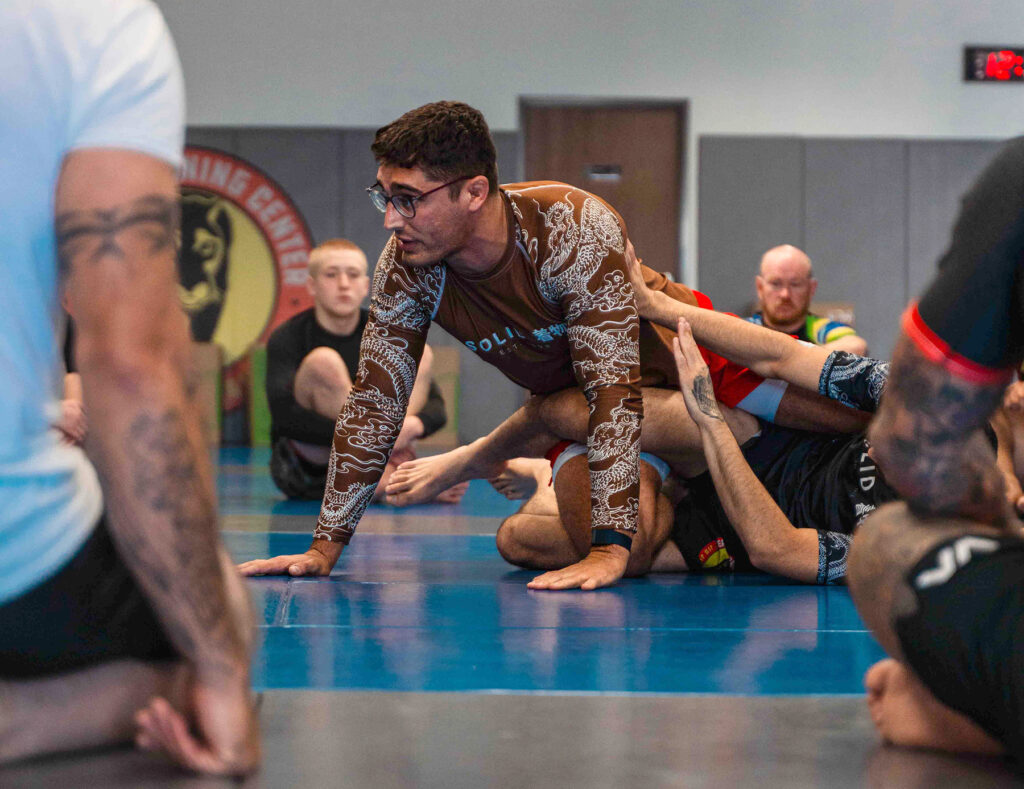
Another great strategy to keep our brains sharp is socializing. Socialization can reduce stress levels and increase cognitive stimulation. These factors contribute to the brain’s adaptive reorganizational abilities. Staying engaged in social communities strengthens the connections in our brains dedicated to social interactions.
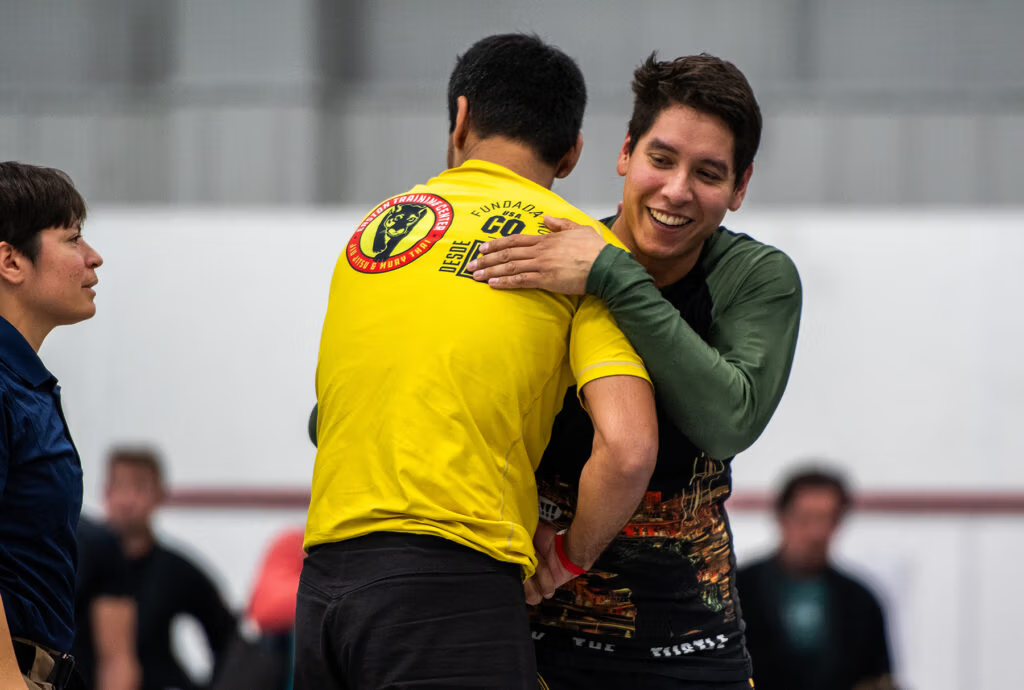
Martial arts, an inherently social activity, requires a variety of training partners to train effectively. Each partner brings different strengths to challenge us with and learn from, both in technique and communication styles. Without the social aspect of martial arts, progress becomes severely limited, doing our brains a disservice.
We can take advantage of the social requirements of the training room to strengthen our social skills in all aspects of life. In the training room, we must adapt to how others learn and communicate. This skill can be used in social interactions outside of the training room, such as the work place or at home, where conflicts arise. Having a brain trained well in social interaction can help navigate these situations.
Physical activity
Physical activity, especially fine motor control movements, comprises a strategy we can regularly use. Our brains are constantly communicating with the rest of our body, from our largest muscles to the nerves in our finger tips. By moving our bodies, we provide information to our brain. In turn, our brain creates neural connections. These connections capture more than just how we move — they include our attention spans, our memory and our moods.
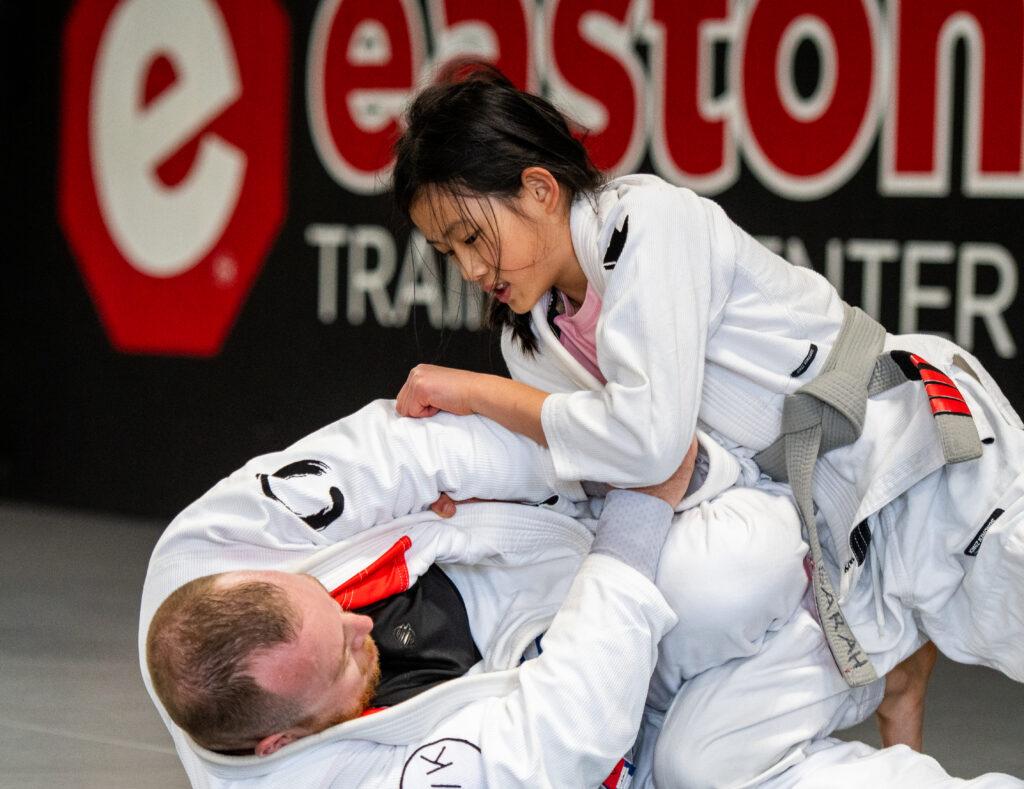
Practicing martial arts develops a high level of physical fitness. Our cardiovascular, respiratory, muscular and nervous systems all benefit by becoming more efficient. As we build more fitness, we develop more precise control of our muscles. More advanced techniques require more control. Finely controlled movements practiced in the training room send feedback to our brains for building dedicated connections. The more we practice fine movements, the more we build this feedback loop improving our brain’s performance.
[Unlocking the Benefits: How BJJ Enhances Health and Empowers You]
Lifestyle
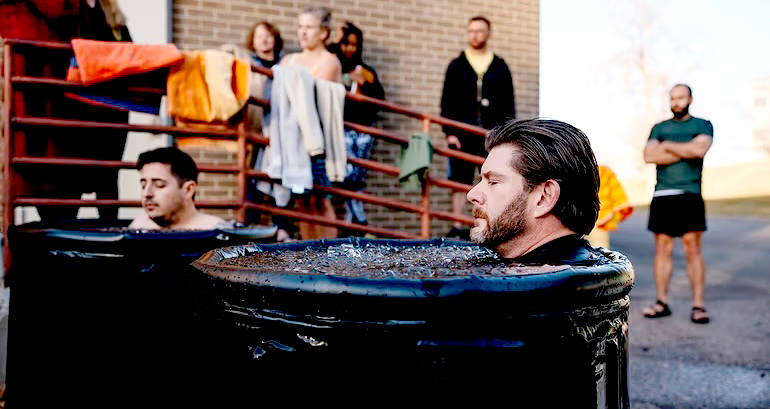
One of the best things we can all do for our brain is to live a balanced healthy lifestyle. Ensuring we get enough sleep each night gives our brains time to solidify new connections made throughout the day. With the rest of our bodies using minimal energy, our brains can take the time to “reflect” on things learned.
Eating a balanced diet provides the nutrients our brain must consume to maintain connections we worked hard to build. Exercise provides stimulation to our brains to keep our mind-body connection sharp. Reflecting on positive experiences we had, while being kind to ourselves about negative ones, helps our brain seek out more positive things in our lives. In short, a balanced lifestyle gives our brains the best chance to stay sharp all through our lives.
Going forward
While we never lose neuroplasticity, how we choose to live our lives influences how sharp our brains stay over time. We should strive every day to take advantage of our brain’s adaptability.
Luckily, martial arts remains an incredible tool to keep our brains healthy and sharp. Regardless of our age, past experiences or skill level, we can all use this tool today to build a better brain.
[The Importance of Balance + How to Find It]