
Flow STATE: Before, During and After The Zone
“Empty your mind, be formless, shapeless, like water. Water can flow or it can crash. Be water my friend.” — Bruce Lee
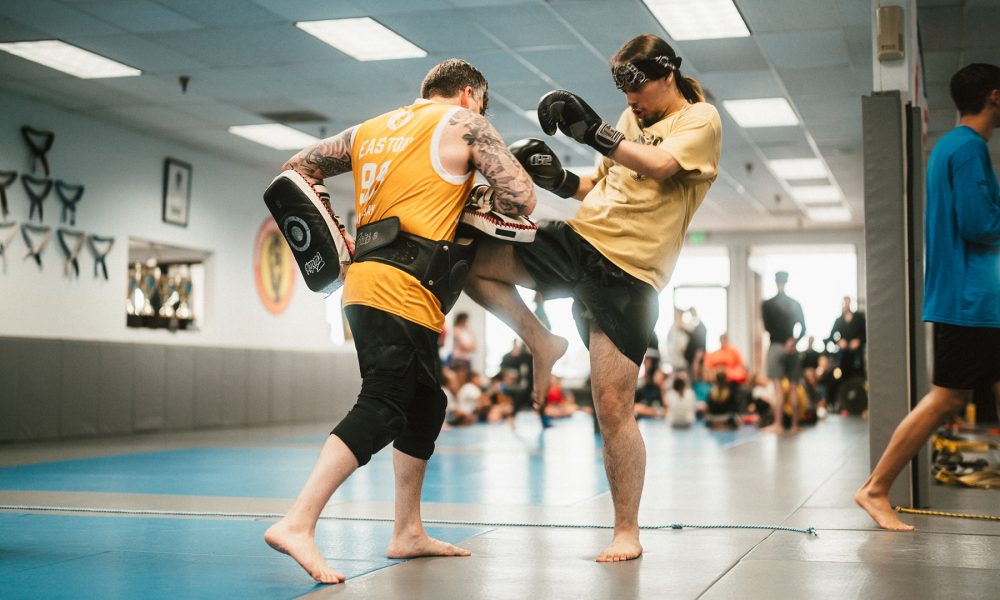
The flow state, often called “the zone,” represents one of the most powerful experiences a martial artist can encounter: the moment when technique, timing, instinct and awareness merge into a state of seamless action. While spectators may view it as superhuman talent, the reality requires disciplined preparation, precise execution and mindful recovery.
By understanding what happens before, during, and after entering the zone, martial artists can learn to tap into this state with more consistency and clarity.
Before the Zone: foundations, habits and priming
Entering the flow state does not happen by accident. It emerges from deep preparation — technical, mental and physical. Before an athlete can even approach the zone, they must possess a strong foundation of technique and muscle memory. In martial arts, habits form the backbone of performance. A fighter cannot fall back on improvisation alone; he must rely on techniques drilled thousands of times until they become second nature. Flow depends on the body’s ability to operate without conscious micromanagement.
What psychologists call “the priming period” marks the moment before entering the zone. Internal noise begins to quiet. The chatter of doubt, hesitation or second-guessing recedes. Vision sharpens, breath steadies and the fighter becomes fully present. You can’t force this state. In fact, the harder someone tries to “get into the zone,” the less likely they are to reach it.
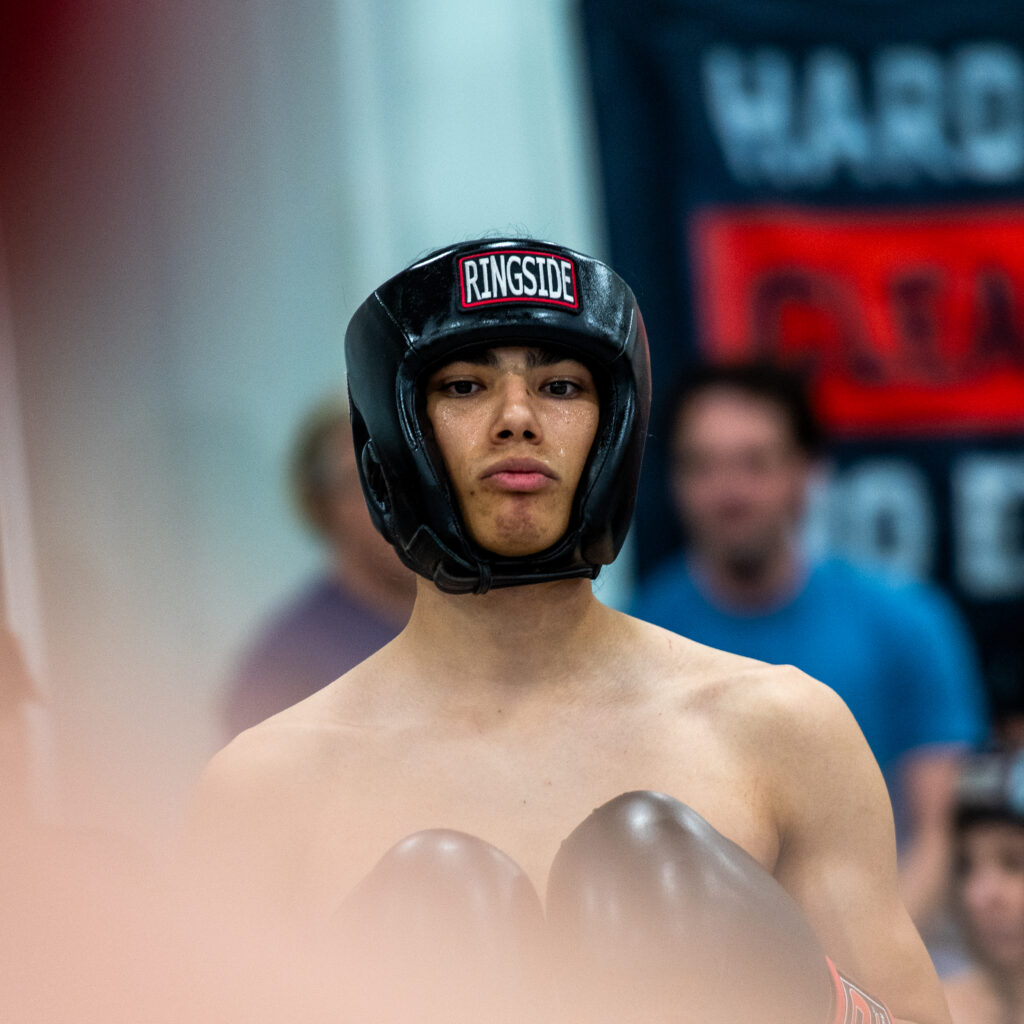
Over-focusing creates tension, which blocks the natural transition into flow. There is also a psychological balancing act occurring as the brain evaluates the challenge-to-skill ratio. The task must be demanding enough to require full attention but not overwhelming to the point of fear. When this balance aligns, dopamine pathways activate, preparing the mind and body for deep engagement.
Subtle changes in adrenaline help heighten reaction time and awareness, while posture and movement readiness begin to shift into place. In martial arts, this is the grounded, calm moment before the first exchange — the sense of alignment.
During the Zone: effortless action, perfect timing and no-mind
Once the flow state activates, a distinct transformation unfolds. The athlete becomes completely immersed in the moment. The prefrontal cortex, responsible for self-criticism and overthinking, reduces activity in a process known as transient hypofrontality. Movements feel effortless, hesitation disappears and reaction time becomes razor-sharp.
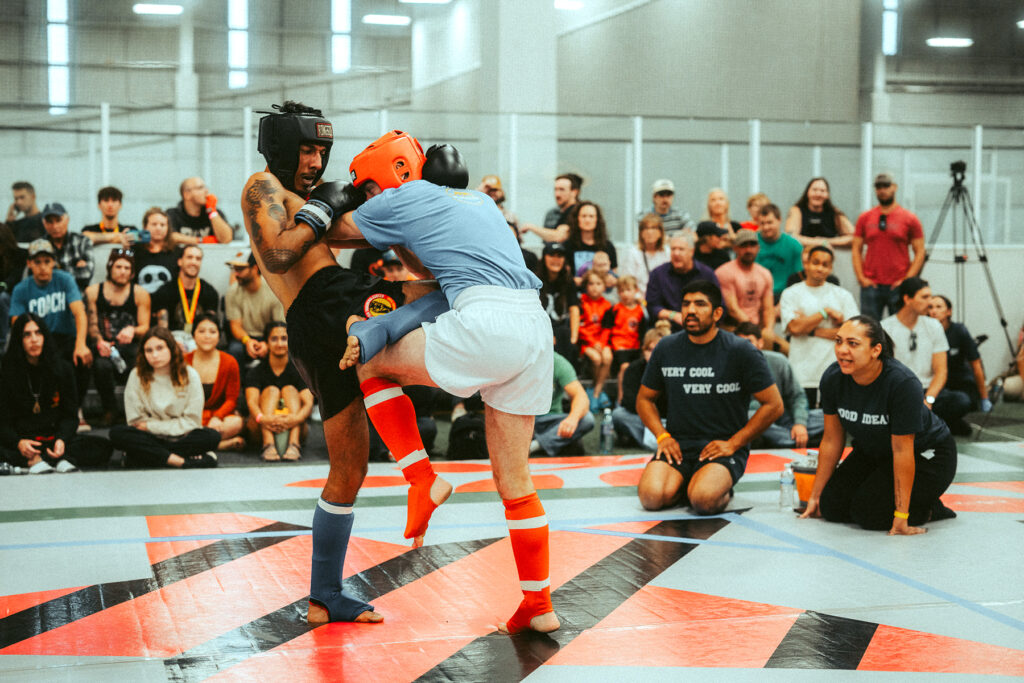
In the zone, technique, timing and fighting IQ operate at peak performance. The martial artist identifies attacks, processes openings and executes counters with remarkable fluidity. To the outside observer, these movements appear superhuman, but the athlete’s mind has no sense of effort. The body simply knows what to do, drawing from years of disciplined practice.
Time perception often shifts during this phase. For some, everything seems to slow down; for others, the action passes in a blur. This is not magical but neurological — the brain reallocates resources to task execution rather than tracking time. Emotionally, flow becomes a state of serene intensity. Instead of excitement or chaos, it offers clarity.
Martial artists often relate this to the concept of mushin (無心) or “no-mind,” where ego and internal judgment disappear. The self dissolves into pure action. Creativity, problem-solving and reaction speed elevate with the mind freed from fear or distraction. Physiologically, the body enters a zone of harmony. Heart rate stabilizes, breath becomes rhythmic and tension melts away.
Neurochemicals such as dopamine, endorphins, anandamide and serotonin combine to create a state of deep focus, heightened pattern recognition and emotional balance. Even under extreme physical pressure, the athlete feels energized rather than drained. However, the flow state is difficult to maintain. Any disruption — fatigue, pain, environmental change or a shift in mindset — can immediately break the spell and return the athlete to full conscious awareness.
[Flow Roll: The Essence of Flowing, in Life and on the Mats]
After the Zone: reflection, recovery and integration
When the flow state ends, the martial artist often experiences a profound shift. Many cannot recall the specifics of what happened during the match. From the outside, observers might have witnessed incredible displays of precision, timing and creativity. But the athlete may feel as though everything happened naturally, with them simply along for the ride.
In the moments after leaving the zone, the body and mind enter a recovery phase. The intense neurochemical activity begins to settle, often creating a sense of calm, clarity or emotional neutrality. Some experience a mild “come-down,” while others feel grounded and peaceful. Fatigue may surface as the body rebalances.
This reflective period is crucial. Reviewing what led to the flow state — what felt natural, what disappeared from conscious thought and what triggered the shift — helps turn instinctive experiences into deliberate learning. Over time, repeated exposure strengthens the brain’s ability to enter the zone more consistently. The martial artist becomes better at quieting distractions, regulating breath, recognizing early alignment cues and trusting their training.
Ultimately, (and luckily) flow is not a mysterious force reserved for elite athletes; it exists at the intersection of preparation, presence and execution.
By understanding what happens before, during and after entering the zone, martial artists can cultivate a deeper connection with their craft, unlocking higher levels of performance and mastery. The zone is not luck — it is trained alignment, and anyone willing to develop the discipline can reach it.